
Soups & Stews
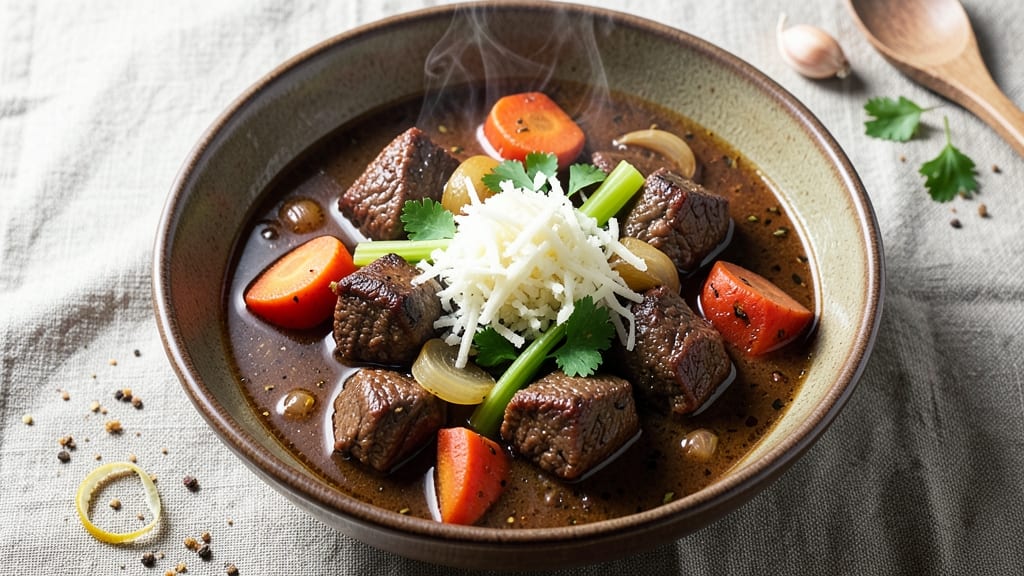
This beef and horseradish stew recipe delivers a perfect marriage of rich, tender beef and bold peppery horseradish that warms the soul on chilly evenings.
The secret lies in slow-braising tough cuts until they melt in your mouth, while fresh horseradish adds a sharp, invigorating kick that cuts through the meat's natural richness. I've perfected this technique over years of testing, balancing traditional braising methods with modern shortcuts for busy weeknights.
The foundation starts with properly browning the beef—this critical step develops deep, caramelized flavors that form the base of the stew. As it simmers for hours, the horseradish (whether fresh or prepared) infuses the broth with its signature peppery heat, creating a complex balance of sweet, savory, and spicy notes.
The result is a hearty stew that's perfect for feeding a crowd or enjoying with crusty bread on a cozy night in.
What makes this recipe truly special is how it transforms simple ingredients into something extraordinary. The beef becomes fork-tender while absorbing the aromatic flavors, and the horseradish adds just the right amount of zing without overpowering.
Each spoonful delivers layers of comfort—warm, satisfying, and packed with bold flavor that lingers long after the last bite.
Whether you're using a traditional pot or a pressure cooker for faster results, this stew comes together beautifully. The instructions walk you through every step, from browning the meat to achieving that perfect balance of horseradish heat. Ready to make this hearty, flavorful stew that will become a family favorite?
Ingredients for beef and horseradish stew
Rich beef, peppery horseradish, and aromatic herbs create this soul-warming stew's perfect balance of heat and comfort.
| Ingredient | Amount | Notes |
|---|---|---|
| Chuck Roast Beef 🥩 | 3 lb | Well-marbled, cut into 1.5-inch cubes |
| Fresh Horseradish Root 🌿 | ½ cup | Grated, peeled (or 2 tbsp prepared horseradish) |
| Yellow Onion 🧅 | 1 whole | Medium, chopped |
| Carrots 🥕 | 4 whole | Medium, peeled, cut into chunks |
| Celery Stalks 🌱 | 3 whole | Medium, chopped |
| Garlic Cloves 🧄 | 6 cloves | Peeled, smashed |
| Beef Broth 💧 | 4 cups | Low-sodium preferred |
| Red Wine 🍷 | 1 cup | Bold dry red (Cabernet Sauvignon) |
| Tomato Paste 🍅 | 2 tbsp | Smooth, not chunky |
| All-Purpose Flour 🌾 | 2 tbsp | For thickening |
| Fresh Thyme Leaves 🌿 | 1 tbsp | Or 1 tsp dried thyme |
| Bay Leaves 🍃 | 2 whole | Remove before serving |
| Black Peppercorns 🌶️ | 1 tsp | Freshly cracked |
| Salt 🧂 | 1 ½ tsp | Kosher or sea salt |
| Olive Oil 🫒 | 2 tbsp | Extra-virgin for browning |
The beef is non-negotiable—chuck roast with visible marbling is your best bet for that melt-in-your-mouth texture. Costco or Whole Foods carry excellent cuts, but even your local butcher can point you to a good one. If you're using pre-cubed beef, pat it dry before browning—this helps develop that crucial caramelized crust. For horseradish, fresh root is ideal (find it in the produce section), but prepared horseradish works in a pinch—just halve the amount. The key is balancing the peppery kick without overpowering the beef's richness, and fresh horseradish gives you that perfect control.
No red wine? Substitute beef broth with a splash of balsamic vinegar—it adds depth without alcohol's sharpness. Swapping fresh horseradish for prepared? Use half the amount and adjust to taste. The tomato paste can be omitted if you dislike its acidity, but it adds a subtle sweetness that rounds out the flavors. For a quicker version, pressure cook the beef for 45 minutes instead of braising, though traditionalists will argue the longer simmer is worth it. If you're short on time, baby carrots and pre-chopped celery from the grocery store save minutes without sacrificing flavor.
This stew tastes even better the next day as flavors meld, so make a double batch and freeze half for future cozy nights. Store leftovers in the fridge for up to 5 days, covered to preserve the horseradish's punch. For freezing, portion into airtight containers—3 months max in the freezer. Reheat gently on the stove with a splash of broth to keep it tender. The horseradish's heat intensifies when reheated, so adjust with a pinch of sugar if needed. Serve with crusty bread or over mashed potatoes to soak up every last drop of that rich, peppery broth.
Why You'll Love This Recipe
- One-Pot Magic: I swear by this—just toss everything into a single pot, turn on the heat, and walk away. No fancy techniques, no last-minute grocery runs for extra pans. The chuck roast practically melts into tender perfection while you chop veggies in the same pot. (Yes, even on a Tuesday night.)
- Horseradish Kick: That fresh horseradish root isn’t just garnish—it’s the star. The sharp, zesty bite cuts through the richness of the beef, waking up every spoonful. Honestly, I’ll take this over any bottled horseradish any day. The carrots and celery soak up the flavor like sponges, making every bite complex.
- Leftovers Win: This stew tastes better the next day, and I’m not lying. The flavors meld into something deeper, richer—like a hug in a bowl. I make a double batch on Sundays because it’s my go-to for lunches, potlucks, or when I’m too tired to cook. (Between us, that’s often.)
- Budget Beef Boost: Chuck roast is cheap, but it feels like a splurge when it’s this good. The onions and carrots stretch the beef further, and the horseradish adds that restaurant-worthy punch without breaking the bank. Not the prettiest, but the taste makes up for it—and my wallet thanks me.
Step-by-step instructions for beef and horseradish stew
This rich, peppery stew delivers bold flavor with tender beef and fresh horseradish—let's make it shine.
Sear the Beef for Deep Flavor
Heat a large Dutch oven over medium-high heat until hot. Add the 2 tablespoons olive oil and swirl to coat the bottom. Working in batches, add the 3 lb chuck roast beef cut into 1.5-inch cubes, letting them sear undisturbed for 2-3 minutes per side until deeply browned. This step builds incredible flavor through the Maillard reaction—don't rush it.
As each batch browns, transfer the beef to a plate. You'll want to work quickly but carefully—crowding the pan will steam the meat instead of searing it. Once all the beef is browned, reduce heat to medium and add the 1 whole yellow onion, 4 whole carrots, and 3 whole celery stalks chopped into ½-inch pieces. Cook for 5 minutes until the vegetables begin to soften and take on color.
Build the Aromatic Base
Add the 6 cloves garlic cloves smashed with the side of your knife, 2 tablespoons tomato paste, 1 teaspoon black peppercorns, and 1.5 teaspoons salt. Stir everything together for 1 minute until fragrant and the tomato paste loses its raw taste. This aromatic foundation will infuse the entire stew with depth.
Pour in the 1 cup red wine and scrape up any browned bits from the bottom of the pot with a wooden spoon. Let the wine simmer for 2-3 minutes until it reduces by half. This step concentrates the flavors and removes any harsh alcohol taste. Here's where it gets good—add the 0.5 cup grated fresh horseradish root and 1 tablespoon fresh thyme leaves, stirring to combine.
Simmer the Stew to Perfection
Pour in the 4 cups beef broth and add the 2 whole bay leaves. Bring the mixture to a gentle boil, then reduce heat to low and cover partially. Let it simmer for 2 hours, stirring occasionally, until the beef is fork-tender. You'll know it's ready when a knife slides in easily and the meat pulls apart with gentle pressure.
After 2 hours, check the consistency. If the stew is too thin, sprinkle the 2 tablespoons all-purpose flour over the surface and stir gently to thicken. For extra richness, you can also remove the beef and skim off any excess fat from the surface. The horseradish will have mellowed slightly during cooking, creating a perfect balance of peppery heat and deep beef flavor.
Finish and Serve with Confidence
Once the stew reaches the perfect consistency, remove the 2 whole bay leaves and adjust seasoning if needed. Taste and add more salt or pepper if desired—the horseradish adds enough heat that you might not need extra salt. Let the stew sit off the heat for 10 minutes to allow flavors to meld completely.
Serve immediately with crusty bread or over buttered egg noodles. Each bite should deliver tender beef, sweet carrots, and that signature horseradish kick that makes this stew unforgettable. For extra drama, garnish with fresh parsley and serve with a side of roasted potatoes to soak up every last drop of that rich sauce.
Pro Tips For Making Beef And Horseradish Stew
- SEAR THE CHUCK FIRST: Get that Dutch oven screaming hot—cast iron or stainless steel—and walk away from the stove while you pat the beef dry. A 3-4 minute sear on each side builds crust that won’t dissolve into the stew later. I used to rush this, and the meat always ended up gray and sad. Don’t skip it, even if you’re eager to add the horseradish.
- GRATE HORSERADISH FRESH, THEN REST: Use a box grater for the root—it’s more even than a food processor—and mix it with a splash of vinegar or lemon juice immediately. Let the grated horseradish sit for 10 minutes before adding to the stew; this mellows the bite just enough to avoid overpowering the beef. My first batch tasted like a sinus-clearing bomb because I ignored this.
- SWEAT VEGETABLES LOW AND SLOW: Onions, carrots, and celery need 8-10 minutes in the pot with just a pinch of salt—no oil yet—until they’re translucent and slightly sticky. This prevents them from burning when you add the beef searings later. I learned this the hard way after one batch turned into a charred, bitter mess. Patience here pays off.
- ADD LIQUID IN STAGES: Start with just enough broth to deglaze the pan, then bring to a simmer before adding more. This keeps the stew from diluting too quickly and ensures the horseradish flavor develops properly. I used to dump all the liquid in at once, and the stew always tasted watery. Build it gradually—your future self will notice.
Regional styles of this recipe
Russian Borscht-Inspired Twist
In Russia, horseradish isn't just a condiment—it's a star in hearty stews like borscht. For a bold variation, add 1 cup chopped beets to the vegetables and simmer them for 15 minutes before adding the beef. The deep red color and earthy sweetness pair beautifully with horseradish's peppery bite.
Finish with a splash of 1 tablespoon apple cider vinegar to brighten the flavors. Serve with a dollop of smetana (sour cream) for that authentic Eastern European touch. 🌍
French Horseradish Pot-au-Feu
The French take horseradish in a completely different direction by using it as a marinade for beef. Before browning, coat the beef cubes in a mixture of 2 tablespoons grated horseradish, 1 tablespoon Dijon mustard, and 1 tablespoon olive oil.
Let it marinate for 30 minutes while you prep the rest. This technique adds a subtle, lingering heat that complements the classic French stew's depth. Serve with crusty baguette and a simple green salad with vinaigrette. 🥖
Hungarian Paprikash Fusion
Hungarian goulash meets horseradish in this unexpected but delicious mashup. After searing the beef, stir in 1 tablespoon sweet paprika and 1 teaspoon smoked paprika with the garlic and tomato paste. Replace half the beef broth with chicken broth and add 1 cup sliced mushrooms to the vegetables.
The paprika's warmth balances the horseradish's sharpness, creating a rich, smoky-sweet stew. Garnish with fresh parsley and serve with egg noodles or roasted potatoes. 🌶️
German Sauerbraten Influence
German sauerbraten traditionally uses vinegar or wine to tenderize beef, much like this stew's red wine base. For a regional twist, add 2 tablespoons red wine vinegar with the wine and let it simmer for an extra 10 minutes to deepen the tang.
The horseradish's heat mirrors the vinegar's acidity, creating a complex flavor profile. Serve with red cabbage slaw and buttered spaetzle for a full German-inspired meal. 🍷
Modern American Shortcut
For a quicker version inspired by American comfort food, use a pressure cooker to cut the simmering time to 45 minutes. Add 1 cup frozen mixed vegetables (like peas and carrots) during the last 10 minutes of cooking.
The horseradish's heat stands out against the sweetness of the frozen veggies, making it a perfect weeknight meal. Serve with cornbread or garlic bread to soak up the rich broth. ⏱️
Nutrition facts
Frequently asked questions
Can I substitute prepared horseradish for fresh?
Yes, but use half the amount—prepared horseradish is more concentrated. For 0.5 cup fresh horseradish root, use 2 tablespoons prepared. Taste first, as store-bought versions vary in heat intensity. Fresh root gives you better control over the peppery kick.
How do I make this stew in a slow cooker?
Brown the beef and vegetables as directed, then transfer everything to a 6-quart slow cooker. Add all remaining ingredients and cook on low for 8 hours or high for 5 hours. The horseradish's heat will mellow slightly, so add a bit more fresh at the end if you prefer extra zing.
Why does my stew taste too salty?
Horseradish intensifies flavors, making saltiness more noticeable. If your stew tastes too salty, add 1 cup crushed ice and stir—this dilutes the broth without thinning it. Alternatively, simmer uncovered for 10 minutes to evaporate excess moisture. For prevention, taste before adding all the salt.
Can I use ground beef instead of chuck roast?
Not ideal—ground beef lacks the connective tissue that turns tender during long simmering. If you must, use lean ground beef (85/15) and cook it with the vegetables until browned, then proceed with the recipe. The texture will be more like a thick soup than a traditional stew, but the horseradish flavor will still shine.
How can I reduce the horseradish heat?
Add 1 teaspoon sugar or 1 tablespoon honey to balance the peppery kick. For a milder version, reduce the horseradish to 0.25 cup fresh or 1 tablespoon prepared. If the stew is already made, stir in a splash of heavy cream (2 tablespoons) to mellow the heat while adding richness.