
Soups & Stews
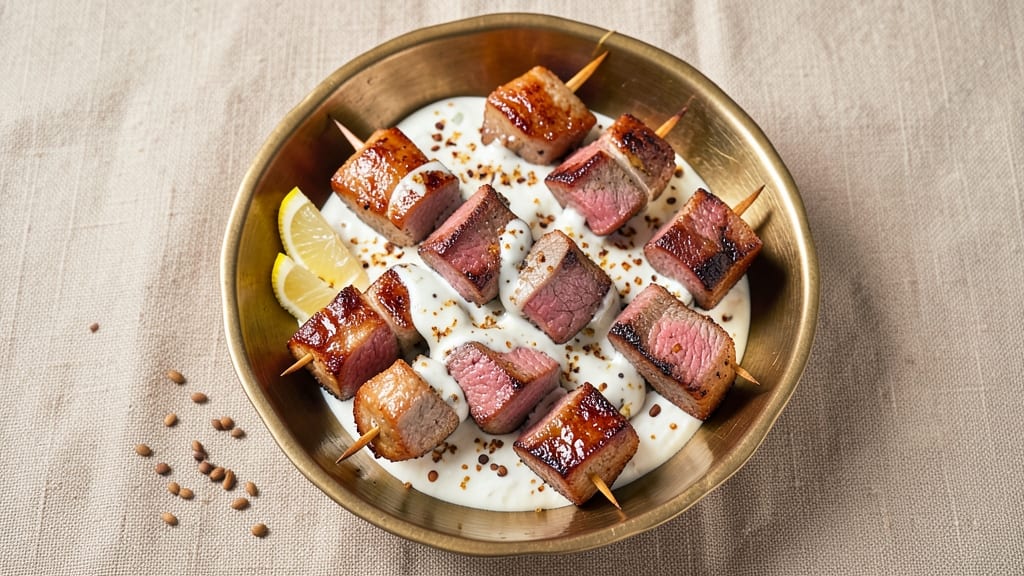
This beef and lamb kebab recipe transforms simple cuts into restaurant-worthy skewers with bold spices and smoky char. The secret lies in balancing tender lamb and beef with a marinade that tenderizes while building deep, aromatic layers.
I've perfected this technique over years of testing—each skewer delivers that perfect contrast of juicy meat and caramelized edges.
The foundation starts with a well-balanced marinade that includes yogurt for tenderness, garlic and ginger for depth, and a blend of cumin, coriander, and paprika for warmth. Cutting the meat against the grain ensures each bite stays tender, while soaking the skewers in cold water prevents burning.
This method works equally well on the grill, in a cast-iron skillet, or even under the broiler.
What you'll end up with is skewers that sizzle on contact, releasing aromas that fill your kitchen with smoky, spiced magic. The meat stays juicy inside while developing a perfect crust outside, and the marinade infuses every bite with complex flavors.
Serve with garlic yogurt sauce, fresh herbs, and warm flatbread for the complete experience.
Whether you're recreating traditional shish taouk or experimenting with modern fusion kebabs, this recipe delivers professional results at home. The techniques here ensure foolproof success, no matter your cooking method or skill level. Let's get started on creating these flavorful skewers that bring the grill to life.
Ingredients for beef and lamb kebab
Balanced cuts, aromatic marinade, and smoky char—these ingredients create restaurant-quality kebabs at home.
| Ingredient | Amount | Notes |
|---|---|---|
| Lamb Leg, Boneless 🐑 | 1 ½ lb | Cut into 1-inch cubes, against grain |
| Top Sirloin Steak 🥩 | 1 ½ lb | Cut into 1-inch cubes, against grain |
| Plain Greek Yogurt 🧀 | ½ cup | Full-fat preferred for richness |
| Garlic Cloves 🧄 | 6 cloves | Minced, fresh preferred |
| Fresh Ginger 🌿 | ¼ cup | Finely grated, peeled |
| Ground Cumin 🌶️ | 1 ½ tbsp | Toasted for deeper flavor |
| Ground Coriander 🌿 | 1 ½ tbsp | Freshly ground preferred |
| Smoked Paprika 🌶️ | 1 tbsp | For smoky depth |
| Ground Turmeric 🌿 | ½ tsp | For vibrant color |
| Kosher Salt 🧂 | 1 ½ tsp | Diamond Crystal preferred |
| Black Peppercorns 🌶️ | 1 tsp | Freshly cracked |
| Extra-Virgin Olive Oil 🫒 | ¼ cup | For high heat cooking |
| Wooden Skewers 🪵 | 12 whole | Soaked in cold water 30 mins |
| Fresh Lemon Juice 🍋 | 2 tbsp | Freshly squeezed |
| Fresh Mint Leaves 🌿 | ¼ cup | Chopped, for garnish |
The lamb and beef cuts are everything here. Lamb leg delivers tender, juicy bites while top sirloin adds lean contrast. Most butchers will cube these for you, but if cutting yourself, always work against the grain—this is non-negotiable for tenderness. For the best quality, I source lamb from Whole Foods or local specialty markets where they trim the fat properly. The sirloin? Any good grocery store carries it, but look for marbled cuts—this ensures flavor and moisture. If you can't find lamb leg, shoulder or loin work too, just adjust marinating time to 4-6 hours instead of 2-4.
The marinade is where the magic happens. Full-fat Greek yogurt is key—it tenderizes while adding creaminess, but low-fat versions won't work. Fresh ginger and garlic are non-negotiable for depth, though jarred minced garlic works in a pinch. For the spices, Penzeys or Spicewalla have the best quality, but regular grocery store brands work if they're fresh. No smoked paprika? Regular paprika plus a pinch of liquid smoke gets you close. The lemon juice brightens everything—bottled works but fresh is better. Pro tip: Make the marinade 24 hours ahead so flavors meld completely. Store it in a sealed container in the fridge.
Skewers need prep too. Soak the wooden ones in cold water for at least 30 minutes—this prevents burning. The marinade keeps 3 days in the fridge or 3 months frozen. For leftovers, reheat skewers in a 350°F oven for 10 minutes—they're best served fresh off the grill, but reheating works in a pinch. Garnish with mint right before serving (it wilts fast). These kebabs freeze beautifully too—assemble, cook halfway, then freeze for easy weeknight dinners. Just finish cooking from frozen.
Why You'll Love This Recipe
- No-Fuss Skewers: I swear by this marinade—just yogurt, ginger, and garlic—no fancy prep. Cubes of lamb leg and sirloin slide right onto skewers with zero fuss, and the meat stays juicy even if I forget to flip them (which I never do, but still).
- Marinade Magic: That yogurt-ginger blend? It’s the secret. The lamb soaks up the zingy, creamy punch while the sirloin gets that perfect char—tender inside, just crisp enough to hold a fork. Honestly, the first bite makes me question why I ever bought pre-marinated meat.
- Weeknight or Weekend: Throw these on the grill for a summer BBQ or toss them in the oven when it’s chilly. My kids grab them straight from the skewer (no plates needed), and my husband saves the leftovers for lunch—wrapped in flatbread, no less.
- Budget Stretch: Lamb leg is cheaper than you’d think, and sirloin stretches further than you’d expect. I make a double batch, freeze half, and pull it out for lazy nights. Between us, it’s the only way I justify buying good meat without breaking the bank.
Step-by-step instructions for skewered spice and char magic
Transform tender beef and lamb into restaurant-worthy kebabs with bold flavors and perfect char.
Marinate the Meats for Maximum Flavor
In a large bowl, combine the 0.5 cup plain Greek yogurt, 6 cloves minced garlic, 0.25 cup finely grated ginger, 1.5 tablespoons ground cumin, 1.5 tablespoons ground coriander, 1 tablespoon smoked paprika, 0.5 teaspoon ground turmeric, 1.5 teaspoons kosher salt, and 1 teaspoon freshly cracked black peppercorns. Mix until smooth—the yogurt should be fully incorporated and the spices evenly distributed.
Add the 1.5 lb boneless lamb leg cubes and 1.5 lb top sirloin steak cubes to the marinade, coating each piece thoroughly. Cover the bowl and refrigerate for at least 4 hours, or preferably overnight. This extended marination ensures deep flavor penetration and tender meat. The marinade will develop a vibrant golden hue from the turmeric and paprika, signaling it's ready for skewering.
Prepare the Skewers and Assemble
Soak the 12 wooden skewers in cold water for 30 minutes to prevent burning on the grill. Drain well before using. Remove the marinated meat from the refrigerator and let it sit at room temperature for 20 minutes to ensure even cooking.
Thread the meat onto the skewers, alternating between lamb and beef cubes. I like to start and end each skewer with a piece of beef to prevent the lamb fat from overpowering the flavor. Leave a small gap between each piece to allow for even charring. You should have 4 skewers with beef and lamb alternating. Arrange the skewers on a plate and drizzle with 2 tablespoons fresh lemon juice—this brightens the flavors and helps prevent sticking.
Grill to Perfect Char and Medium-Rare Doneness
Preheat your grill to high heat or 450°F if using a grill pan. Once the grill is fully heated, place the skewers on the hottest part of the grill. Cook for 3-4 minutes per side for medium-rare doneness, turning occasionally to ensure even charring. You'll see deep grill marks form and hear a satisfying sizzle—this is your signal that the meat is developing that perfect crust.
For the final 30 seconds, brush the skewers with 0.25 cup extra-virgin olive oil to enhance the char and add richness. The internal temperature should reach 130-135°F for medium-rare. Remove the skewers from the grill and transfer them to a plate. Let them rest for 5 minutes—this allows the juices to redistribute, ensuring each bite is moist and flavorful.
Garnish and Serve with Fresh Herbs
While the skewers rest, finely chop the 0.25 cup fresh mint leaves. Sprinkle the chopped mint evenly over the skewers just before serving. The fresh herbs add a bright, aromatic contrast to the smoky, spiced meat. Serve immediately with a side of grilled vegetables or crusty bread to soak up the delicious juices.
The kebabs should have a deep golden char on the outside, a pink center, and a vibrant green garnish of mint. Each bite should deliver a perfect balance of smoky, spiced meat with a touch of tangy yogurt and fresh herbs. This method guarantees tender, flavorful kebabs every time, with that coveted restaurant-quality char and juiciness.
Pro Tips For Making Beef And Lamb Kebab
- MARINATE THE LAMB FIRST: Lamb leg needs time—at least 2 hours, ideally overnight—to soften and soak up the yogurt-garlic-ginger blend. I learned this the hard way after serving dry, chewy kebabs that tasted more like shoe leather than lamb. Trust the process; your future guests will notice the difference.
- CUT STEAK AGAINST THE GRAIN: Top sirloin steak fights you if you slice with the grain—it’ll turn to mush on the skewer. Flip the meat 90 degrees and cut perpendicular to those stubborn muscle fibers. The result? Tender bites that hold up to grilling, not sad, stringy scraps.
- DON’T OVERCROWD THE GRILL: I used to jam skewers too close together, turning my outdoor kitchen into a sad, smoky sauna. Space them out—at least 1 inch between—so the lamb and beef get direct heat, not steam. Crowding just means soggy, unevenly cooked kebabs. (Yes, even if you’re impatient like me.)
- SEAR HOT, THEN PULL BACK: Start with a screaming-hot grill or skillet—you want a deep sear on the lamb and beef to lock in juices. Once the edges brown (about 2 minutes), move the skewers to the cooler side of the grill. This keeps them from turning into charcoal while finishing medium-rare. (Your meat thermometer should be your best friend here.)
Dietary considerations for this recipe
Gluten-Free Adaptations
This recipe naturally accommodates gluten-free diets since the marinade and meat components contain no gluten. The key is ensuring your skewers and any accompanying sauces are certified gluten-free. Use bamboo skewers (naturally gluten-free) instead of wooden ones if concerned about cross-contamination.
For the marinade, verify that all spices (like Penzeys or Spicewalla brands) are processed in gluten-free facilities. The yogurt and olive oil are inherently safe, but always check labels for hidden additives. 🌱
Dairy-Free Options
For dairy-free versions, replace the Greek yogurt in the marinade with coconut yogurt or a dairy-free alternative like Silk Unsweetened Almond Yogurt. The texture will be slightly different but still tenderizes the meat effectively. Ensure your yogurt substitute has a similar thickness to maintain marinade consistency.
The rest of the recipe remains unchanged, including the 2 tbsp lemon juice and fresh herbs. This swap works particularly well for those with lactose intolerance or vegan dietary needs.
Allergen-Friendly Prep
To minimize allergen risks, prepare kebabs in a dedicated space if cooking for guests with sensitivities. Use separate cutting boards and utensils for the lamb and beef to avoid cross-contamination. For nut allergies, confirm that all spices (like ground coriander or cumin) are processed in nut-free facilities.
The extra-virgin olive oil and fresh herbs are typically safe, but always double-check labels. For egg allergies, this recipe is naturally free—just ensure no cross-contact with egg-containing products during prep.
Protein Swaps
For a vegetarian option, swap the beef and lamb for extra-firm tofu or portobello mushrooms, both cut into 1-inch cubes. Marinate these for 8-12 hours to maximize flavor absorption.
For seafood lovers, try firm white fish like cod or halibut, but reduce cooking time to 2-3 minutes per side to avoid overcooking. The marinade works beautifully on all these alternatives, delivering the same smoky, spiced profile. 🌟
Low-Carb Considerations
This recipe is inherently low-carb, with the primary focus on protein and fat. To enhance the low-carb experience, serve with zucchini noodles or a side of cauliflower rice instead of traditional bread. The garlic yogurt sauce (made with dairy-free yogurt if needed) complements the kebabs perfectly while keeping carbs minimal.
The natural fats in the meat and olive oil provide satiety, making this a satisfying meal for keto or low-carb diets.
Nutrition facts
Frequently asked questions
Can I use metal skewers instead of wooden ones?
Metal skewers work perfectly and don't need soaking. They're ideal for grilling over high heat since they won't catch fire. Just ensure they're food-safe stainless steel or cast iron—never aluminum, which can react with acidic marinades. For extra security, thread the meat onto the skewers before marinating to prevent pieces from slipping off during cooking.
How do I prevent the meat from falling off the skewers?
Use the meat threading technique: Cut the meat into uniform 1-inch cubes and thread them at a slight diagonal angle. Leave small gaps between pieces for even cooking. For extra security, brush the skewers with olive oil before threading the meat—this creates a slight barrier. If using wooden skewers, soak them for at least 30 minutes to prevent burning and breakage.
What's the best way to cook these kebabs indoors?
Use a cast-iron skillet or grill pan on medium-high heat. Preheat the pan for 5 minutes, then add the skewers in a single layer. Cook for 3-4 minutes per side, turning occasionally, until you get deep grill marks and internal temp reaches 130-135°F. For extra char, finish with 30 seconds under a broiler—just watch closely to avoid burning.
Can I make these kebabs ahead of time?
Yes! Marinate the meat 24 hours ahead for maximum flavor. For fully assembled skewers, cook them halfway (until 120°F internal temp), then freeze on a tray before bagging. Reheat from frozen in a 400°F oven for 10 minutes or on the grill for 3-4 minutes per side. The meat will be slightly less juicy than fresh but still delicious.
What's the secret to perfectly tender lamb and beef?
The key is cutting against the grain and marinating properly. The yogurt-based marinade breaks down proteins for tenderness, while the 4+ hour marination ensures deep flavor. For extra tenderness, pound the meat slightly with a meat mallet before cubing. Never overcook—remove skewers when they reach 130°F internal temp and let rest 5 minutes before serving.