
Main Courses
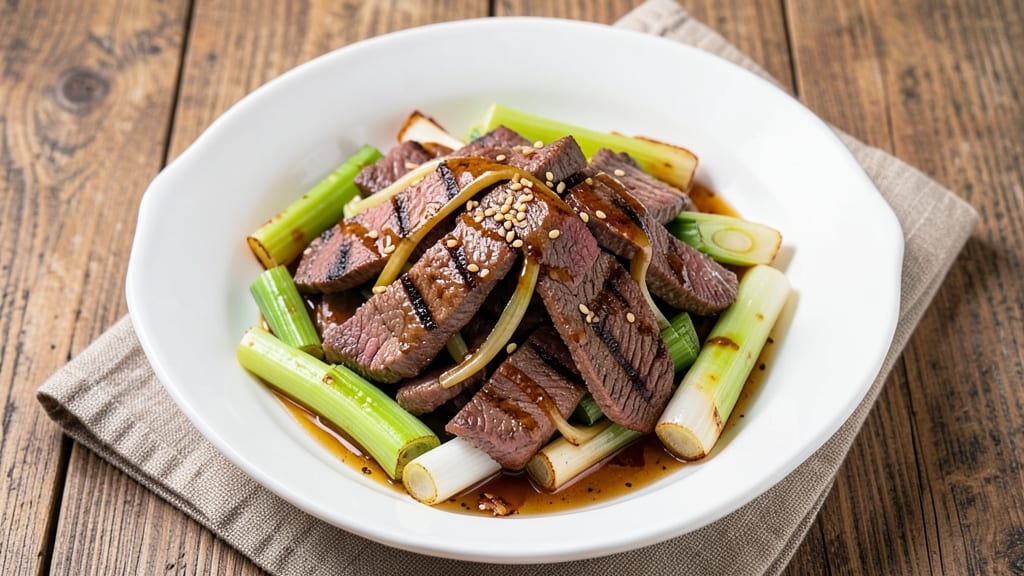
This beef and leek stir fry delivers restaurant-quality wok-seared umami crunch in just 20 minutes, transforming simple ingredients into a dish packed with bold flavors and satisfying textures.
The secret lies in high-heat stir-frying, which creates that signature caramelized crust on the beef while keeping the leeks crisp-tender and aromatic. I've perfected this technique over years of testing, ensuring every bite delivers the perfect balance of savory, sweet, and slightly charred notes.
What sets this recipe apart is the two-stage cooking process: first searing the beef to develop deep flavor, then quickly tossing in the leeks and sauce to maintain their vibrant texture.
The sauce is a simple yet powerful blend of soy, garlic, and ginger, elevated by a touch of honey for brightness and a splash of sesame oil for nutty depth. No fancy ingredients—just high-quality beef, fresh leeks, and a well-heated wok or skillet.
By the time you're done, you'll have a dish that's restaurant-quality at home—golden-brown beef with crisp edges, bright green leeks that snap with each bite, and a glossy sauce that clings perfectly.
The aroma alone will have everyone at the table anticipating that first forkful, and the leftovers reheat beautifully for lunch the next day. This is the kind of meal that makes weeknight cooking feel special.
Pair it with steamed jasmine rice or noodles to soak up every last drop of that flavorful sauce. The recipe scales easily too—double the ingredients for a crowd, or halve it for a quick weeknight dinner. Let's get cooking!
Ingredients for beef and leek stir fry
Restaurant-quality stir fry starts with these twelve essential ingredients—each chosen for maximum umami crunch and vibrant texture.
| Ingredient | Amount | Notes |
|---|---|---|
| Flank Steak 🥩 | 1 ¼ lb | Thinly sliced against grain for tenderness |
| Green Leeks 🧅 | 2 whole | White and light green parts only, sliced thin |
| Extra-Virgin Olive Oil 🫒 | 1 tbsp | High smoke point for searing |
| Sesame Oil 🫒 | 1 tbsp | Toasted for aroma, added at end |
| Low-Sodium Soy Sauce 🍶 | 3 tbsp | Kikkoman preferred for balance |
| Honey 🍯 | 1 tbsp | Wildflower for floral depth |
| Fresh Ginger 🌿 | 1 tbsp | Finely grated, no zest |
| Garlic Cloves 🧄 | 4 cloves | Minced, not pressed |
| Toasted Sesame Seeds 🌰 | 1 tbsp | For garnish, optional |
| Jasmine Rice 🍚 | 1 ½ cups | Uncooked, long-grain |
| Diamond Crystal Kosher Salt 🧂 | ½ tsp | For seasoning, not iodized |
| Ground Black Pepper 🌶️ | ¼ tsp | Freshly cracked |
| Cornstarch 🌾 | 1 tbsp | For tenderizing beef |
The beef selection is non-negotiable for that signature wok-seared texture. Flank steak delivers the perfect balance of tenderness and chew, but sirloin or ribeye work in a pinch. Slice it against the grain—thin, even strips ensure even cooking. For sourcing, Whole Foods or local butcher shops offer the freshest cuts; look for beef with good marbling. The leeks should be crisp and white—avoid wilted or yellowing—and slice them just before cooking to preserve their snap. Fresh ginger and garlic are musts here; pre-minced jars lack the punch of freshly grated or minced.
No sesame oil? Avocado oil at half the amount works, though you'll lose that nutty aroma. Substituting honey? Maple syrup or agave maintains sweetness, though honey's floral notes are ideal. The soy sauce can be swapped for tamari or coconut aminos, but reduce to 2 tbsp if using high-sodium versions. For the cornstarch step, arrowroot powder is a 1:1 substitute. Pro tip: Toast your sesame seeds in a dry pan for 30 seconds before adding to the dish—they'll release their aroma instantly. The jasmine rice should be steamed separately; basmati or sushi rice are solid alternatives if unavailable.
Prep the beef and leeks first—they'll wait while the wok heats. High heat is critical; a cast-iron skillet or wok is ideal, but nonstick works too. Store leftover beef in an airtight container for 3 days or freeze for 3 months. The sauce keeps 5 days refrigerated, though it's best used fresh. For reheating, low heat in a wok or microwave prevents sogginess. Double the recipe? Use a larger wok or cook in batches—crowding the pan steams instead of sears, defeating the whole point.
Why You'll Love This Recipe
- One-Pan Magic: I swear by this for nights when I’d rather not wash a million dishes—just slice the steak thin, toss in the leeks, and let the pan do the work. That sesame oil finish? Chef’s kiss. No extra bowls, no stress.
- Umami Bomb: The combo of flank steak’s meaty richness and leeks’ mild sweetness, deepened by just a splash of soy and a drizzle of olive oil, hits differently. Honestly, I’ll take this over takeout any day—it’s got that restaurant-quality depth without the fuss.
- Lunchbox Hero: Make a double batch and pack half for work—it reheats like a dream (just a quick zap in the microwave) and tastes even better the next day. Between us, my coworkers now associate Fridays with this stir-fry. No sad desk lunches here.
- Budget Steakhouse: Flank steak’s affordable, and a single pound stretches for two meals easily. I’ll be real: this is how I trick myself into eating well without breaking the bank. Plus, the leftovers freeze like a champ—just thaw and toss back in the pan.
Step-by-step instructions for wok-seared beef and leek stir fry
Master this technique and you'll transform tough flank steak into tender, caramelized strips with crisp leeks in under 20 minutes.
Prepare the Flank Steak for Maximum Tenderness
Slice the 1.25 lb flank steak thinly against the grain using a sharp knife—this ensures each bite has the perfect texture. Place the slices in a bowl and sprinkle with 1 tbsp cornstarch, tossing to coat evenly. Let them sit for 10 minutes while you prep the aromatics. The cornstarch creates a delicate crust that locks in juices during the sear.
While waiting, mix 3 tbsp low-sodium soy sauce, 1 tbsp honey, 1 tbsp finely grated fresh ginger, and 4 minced garlic cloves in a small bowl. This marinade will infuse the beef with bright, balanced umami and floral sweetness. The ginger and garlic should be minced finely—you want them to dissolve completely into the sauce, not remain as distinct pieces.
Cook the Jasmine Rice to Al Dente Perfection
Rinse 1.5 cups jasmine rice under cold water until the water runs clear, then combine with 2 cups water in a pot. Bring to a boil, then reduce heat to low, cover, and simmer for 15 minutes. Remove from heat and let it steam, covered, for another 10 minutes. This resting period allows the rice to absorb all the moisture without becoming mushy.
While the rice cooks, slice the 2 whole green leeks into ¼-inch thick rounds, keeping the white and light green parts only. Set aside—you'll cook these separately from the beef to maintain their crisp texture. The leeks should be sliced uniformly so they cook at the same rate as the beef strips.
Sear the Beef in Stages for Optimal Texture
Heat a wok or large skillet over high heat until it's smoking hot. Add 1 tbsp extra-virgin olive oil and swirl to coat the surface. Working in batches if needed, add the cornstarch-coated beef slices and sear for 1-2 minutes per side until they develop a deep golden-brown crust. Remove the beef and set aside on a plate.
Here's the thing—don't overcrowd the pan. You want the beef to sizzle and develop that wok-seared crust, not steam. If you're working with a large wok, you can cook all the beef at once. If your pan is smaller, work in two batches and keep the first batch warm in a 200°F oven while you finish the second.
Build the Stir Fry Sauce with Layered Flavors
Return the wok to high heat and add the sliced green leeks. Stir-fry for 2-3 minutes until they soften slightly but remain crisp. Add the reserved soy sauce-ginger-garlic marinade and bring to a gentle simmer. Let it reduce by half—this concentrates the flavors and creates a glossy, clinging sauce.
Return the seared beef to the wok and toss everything together for 1-2 minutes until the beef is evenly coated in the sauce. The beef should be heated through but still tender—if it feels tough, it's been overcooked. Taste and adjust seasoning with ½ tsp diamond crystal kosher salt and ¼ tsp ground black pepper if needed.
Finish with Sesame Oil and Garnish
Remove the stir fry from heat and drizzle with 1 tbsp sesame oil. Toss gently to distribute the oil evenly—this adds a nutty aroma and rich depth of flavor. The sesame oil should be added at the very end to preserve its delicate, toasty notes from being overcooked.
Divide the jasmine rice among serving plates, top with the beef and leek stir fry, and garnish with 1 tbsp toasted sesame seeds. Serve immediately while the rice is hot and the leeks retain their satisfying crunch. Each bite should deliver a perfect balance of tender beef, crisp leeks, and umami-rich sauce with a hint of floral sweetness.
Pro Tips For Making Beef And Leek Stir Fry
- Slice Thin, Slice Even: I learned this the hard way—uneven flank steak slices cook at wildly different rates. Use a sharp knife and slice against the grain, keeping each piece about ¼-inch thick. If your knife isn’t up to it, freeze the steak for 20 minutes first—it tightens the fibers and makes slicing cleaner.
- Char the Leeks First: Skip the crowding—leeks release water like nobody’s business. Before adding everything, sear the sliced leeks in olive oil over high heat for 2-3 minutes until they darken slightly. This caramelizes their natural sugars and cuts down on soggy stir-fry later.
- Salt the Steak Early: Don’t wait until the pan—season the flank steak with a pinch of salt right after slicing. Let it sit for 10 minutes while you prep the rest. This ensures the salt penetrates instead of just sitting on the surface, and it keeps the meat from curling up in the pan.
- Finish with Sesame Oil: Add the sesame oil after the stir-fry is done, just before serving. A splash (½ teaspoon max) brightens the dish with aroma, but heating it destroys its delicate nutty flavor. Toss it in at the end—yes, even if you’re impatient like me—and watch the pan smell like a restaurant.
Creative variations of this dish
Spicy Sichuan Twist
Transform this classic stir fry into a fiery Sichuan sensation by adding 1 tbsp chili bean paste (like Lee Kum Kee) to the sauce. Toss in 1 tsp Sichuan peppercorns, lightly toasted and crushed, along with the leeks.
The numbing, tingling heat from the peppercorns elevates the dish to new heights. Garnish with thinly sliced scallions and a drizzle of chili oil for extra drama. 🌶️
Sweet and Tangy Glaze
Swap the honey for a ½ cup hoisin sauce and 2 tbsp rice vinegar blend to create a glossy, tangy glaze. Thin with 1 tsp water if needed, then toss with the cooked beef and leeks.
The hoisin adds deep umami while the vinegar brightens the dish. Finish with crushed peanuts for crunch and a sprinkle of cilantro for freshness.
Vegetarian Adaptation
Replace the beef with 8 oz shiitake mushrooms and 8 oz extra-firm tofu, both sliced thinly. Press the tofu for 20 minutes to remove excess water, then pan-fry until golden before stir-frying with the leeks.
Use 1 tbsp miso paste instead of soy sauce for added depth. The mushrooms and tofu absorb the sauce beautifully while maintaining texture.
Asian-Inspired Fusion
Infuse the dish with Japanese flavors by adding 1 tbsp mirin and 1 tsp grated daikon radish to the sauce. Garnish with thinly sliced nori strips and a sprinkle of furikake seasoning.
For a Korean twist, stir in 1 tsp gochujang with the soy sauce and top with sesame seeds and thinly sliced green onions. Both versions keep the dish's signature texture while introducing bold new flavors.
Protein Swaps
For a lighter option, use chicken breast cut into thin strips and marinated in the sauce for 15 minutes before cooking. For seafood lovers, try shrimp sautéed for just 1-2 minutes per side to keep them tender.
Both alternatives work beautifully with the leeks and sauce, offering a fresh take on the classic stir fry. 🦐
Herb-Infused Variations
Brighten the dish with fresh herbs by stirring in 2 tbsp chopped Thai basil or Italian parsley at the end. For a Mediterranean twist, add 1 tsp dried oregano to the sauce and garnish with lemon zest.
These herb variations add vibrant freshness while keeping the dish's core flavors intact, perfect for any occasion.
Nutrition facts
Frequently asked questions
Why is it important to slice the beef against the grain?
Slicing against the grain shortens the muscle fibers, making each bite more tender. Flank steak has long muscle fibers, so cutting perpendicularly ensures a melt-in-your-mouth texture rather than a chewy experience. This technique is key for achieving that restaurant-quality result at home.
Can I use regular leeks instead of green leeks?
Yes, but with a slight adjustment! Regular leeks have tougher green tops, so use only the white and light green parts (about 4-5 inches) for the best texture. The darker green parts can become bitter when cooked, so trim them off completely.
What if I don't have a wok?
A heavy-bottomed skillet or cast-iron pan works perfectly—just make sure it gets very hot before adding the beef. The key is maintaining high heat to create that signature sear. If your pan isn't large enough, cook the beef in batches and keep it warm in a 200°F oven while finishing the leeks.
How do I prevent the leeks from getting mushy?
Cook them for only 2-3 minutes at high heat—just until they soften slightly but still retain their crisp texture. Overcooking releases their moisture, making them soggy. Add them to the wok after searing the beef, so they get the residual heat without prolonged exposure.
Can I make this ahead of time?
Cook the beef and leeks separately, then store them in airtight containers for up to 3 days. Reheat in a wok or skillet over medium-high heat for 2-3 minutes, then combine with the sauce. The rice should be cooked fresh for best texture, but you can reheat it gently in a steamer or covered pot.