
Sauces & Condiments
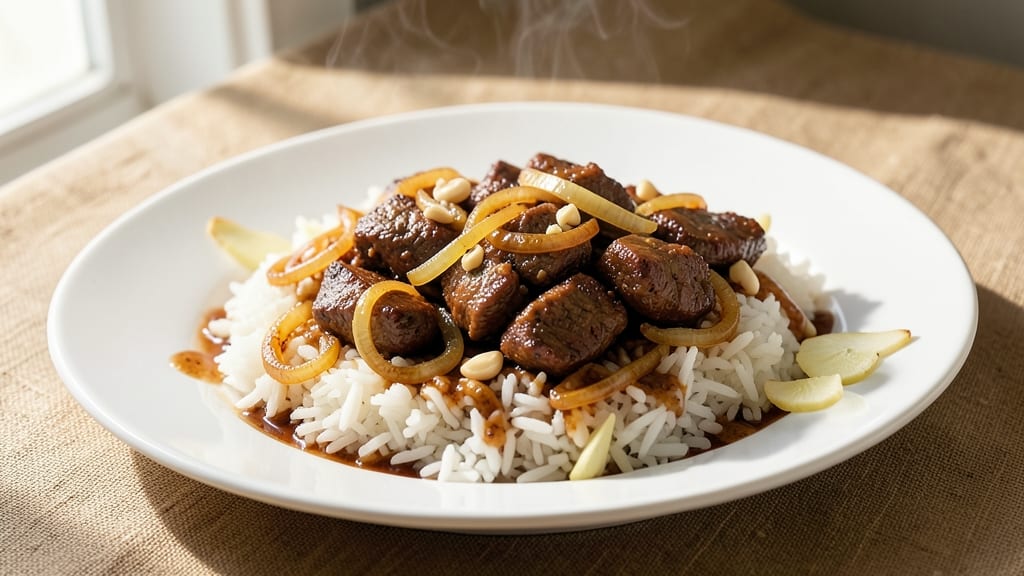
This beef and rice sauce recipe transforms simple ingredients into a rich, umami-packed base that elevates stir-fries, bowls, and noodles with depth. The secret lies in simmering ground beef with rice until it develops a thick, velvety texture—no blending required.
This method builds complex flavors through slow reduction, creating a sauce that clings perfectly to proteins and grains while delivering restaurant-quality satisfaction.
The process is straightforward yet transformative: brown the beef first to deepen its savory notes, then cook the rice until it absorbs all the meaty juices. The result is a savory, slightly sticky sauce that balances hearty beef with the natural mildness of rice, making it versatile for any dish.
Use it immediately for freshness or store for up to a week—its flavor only intensifies with time.
Ingredients for beef and rice sauce
Eleven essential ingredients crafting a restaurant-quality umami sauce with velvety texture and deep flavor.
| Ingredient | Amount | Notes |
|---|---|---|
| Ground Beef (Chuck or 80/20 blend) 🥩 | 1 ½ lb | Finely ground for even cooking |
| Long-Grain White Rice 🍚 | 1 cup | Uncooked, medium grain preferred |
| Yellow Onion 🧅 | 1 whole | Diced, medium size |
| Garlic Cloves 🧄 | 6 cloves | Minced, fresh preferred |
| Fresh Ginger 🌿 | 1 tbsp | Grated, finely minced |
| Soy Sauce (Light or All-Purpose) 🥢 | ½ cup | High-quality, low-sodium preferred |
| Beef Broth (Low-Sodium) 💧 | 1 cup | Homemade or high-quality store-bought |
| Oyster Sauce 🍜 | 2 tbsp | Authentic, not imitation |
| Sesame Oil (Toasted) 🫒 | 1 tbsp | For finishing, not cooking |
| Diamond Crystal Kosher Salt 🧂 | ½ tsp | Adjust to taste |
| Black Peppercorns 🌶️ | ¼ tsp | Freshly cracked |
The beef is the foundation—chuck or 80/20 blend delivers maximum fat for richness without excess grease. Costco or Whole Foods carry finely ground options perfect for this recipe. Fresh ginger and garlic elevate the umami profile; look for vibrant, plump ginger roots and garlic bulbs with firm cloves. The rice should be medium-grain for the ideal balance of texture and absorbency—jasmine or basmati work beautifully. Soy sauce quality matters; Kikkoman or Lee Kum Kee are reliable choices for authentic flavor.
No soy sauce? Coconut aminos work in a pinch, though the flavor will differ slightly. Oyster sauce can be substituted with extra mushrooms and a splash of fish sauce (if non-vegetarian) or vegetable broth with a dash of soy sauce. For a quicker prep, pre-minced garlic and ginger from the Trader Joe's frozen section save time without sacrificing flavor. The beef broth should be low-sodium to avoid over-salting the final sauce—homemade or high-quality store-bought options like Pacific Foods are ideal. Sesame oil should be toasted and used sparingly for finishing; never cook with it to preserve its aromatic qualities.
This sauce develops deeper flavor over time, so store in an airtight container in the fridge for up to 1 week. For longer storage, freeze in ice cube trays for easy portioning—thaw overnight in the fridge. The sauce thickens as it cools, so add a splash of beef broth when reheating if it becomes too stiff. Portion into small containers for meal prep; it reheats beautifully and adds instant depth to stir-fries, bowls, or noodles. The umami richness intensifies with each day, making it worth prepping ahead.
Why You'll Love This Recipe
- One-Pan Magic: I swear, this recipe lives in my brain as the "I can’t believe it’s this easy" meal. Brown the beef with onions, stir in the rice and sauce, and let it simmer—no chopping, no fuss. The rice absorbs the flavor right in the same pot where the beef sizzled.
- Umami Bomb: That 80/20 blend? It’s the secret weapon—juicy, fatty, and so flavorful when caramelized. Add the ginger and garlic, and suddenly you’ve got a sauce that’s rich, slightly sweet, and packed with depth. Honestly, the first bite makes me want to eat it straight from the pan.
- Lunchbox Hero: Between us, this is my go-to for meal prep. Cook a big batch, divide it into containers, and reheat it for days—whether it’s a packed lunch or a quick dinner. The rice stays separate but fluffy, and the beef stays tender. My kids even ask for it when I forget to pack their "fancy" bento boxes.
- Budget Win: Ground chuck and white rice? Check. Onions and garlic? Pantry staples. Fresh ginger is the only splurge, but a little goes a long way. I’ve made this on grocery-store paychecks, and it’s always filled everyone up. Plus, leftovers taste just as good the next day—no sad, dry rice here.
Step-by-step instructions for beef and rice sauce
This umami-rich sauce builds layer upon layer of flavor through precise technique and patient cooking.
Cook the Ground Beef Until Fully Browned
Heat a large skillet or wok over medium-high heat until hot. Add the 1.5 lb ground beef (chuck or 80/20 blend) and break it apart with a wooden spoon. Let the meat cook undisturbed for 3-4 minutes until it begins to brown and pull away from the pan.
This initial browning creates the Maillard reaction that forms deep, complex flavors. Stir occasionally to ensure even cooking, breaking up any large clumps. Once the beef is fully browned (about 8-10 minutes total), drain all but 2 tablespoons of the rendered fat from the pan. This fat carries incredible flavor—don't discard it.
Sauté Aromatics Until Fragrant and Golden
Add the diced yellow onion to the skillet with the browned beef. Cook for 4-5 minutes until softened and translucent. Stir in the minced garlic cloves and finely grated ginger, cooking for another 1-2 minutes until the garlic becomes golden and fragrant.
Here's where the foundation of flavor develops. The onions should caramelize slightly at the edges, and the garlic should release its pungent aroma without burning. If the pan starts to smoke, reduce heat to medium to prevent bitter flavors. This step typically takes 6-8 minutes total—don't rush it.
Build the Sauce Base with Rice and Liquids
Add the 1 cup uncooked long-grain white rice to the skillet, stirring to coat each grain with the beef mixture. Pour in the 1 cup low-sodium beef broth and 0.5 cup soy sauce, then bring to a gentle simmer. Stir in the 2 tablespoons oyster sauce and 0.5 tsp Diamond Crystal kosher salt.
The rice will begin to absorb the liquid as it cooks. Simmer uncovered for 10-12 minutes, stirring occasionally, until the rice is tender and the mixture has thickened into a saucy consistency. You want the rice to be al dente—just slightly firm to the bite. If the sauce becomes too thick before the rice cooks, add 1-2 tablespoons water to maintain the proper texture.
Finish with Seasoning and Toasted Sesame Oil
Remove the skillet from heat and stir in the 0.25 tsp freshly cracked black peppercorns. Drizzle in the 1 tablespoon toasted sesame oil, stirring gently to combine. The sesame oil should infuse the sauce with its nutty aroma without overpowering the other flavors.
Taste and adjust seasoning if needed. The sauce should be rich and umami-forward with balanced saltiness. For best results, let the sauce sit off heat for 5 minutes to allow the flavors to meld completely. This resting period enhances the depth of flavor and ensures the sesame oil integrates perfectly.
Pro Tips For Making Beef And Rice Sauce
- CRUSH THE GARLIC GINGER: Toss minced garlic and grated ginger into the hot pan after the beef browns—don’t pre-cook them. I used to sauté them first, and they’d turn bitter. Let the meat’s fat render first, then add them with the onions for a bright, fresh flavor that actually cuts through the richness.
- BREAK THE BEEF APART: Use your fingers to scatter the ground beef in the pan—don’t press it into a patty. This ensures even browning and prevents a greasy, undercooked center. (Yes, it looks messy, but your sauce will taste like it came from a wok, not a skillet.)
- SALT THE RICE WATER: Add 1 teaspoon of salt to the rice cooking water—before you start. The rice absorbs it as it cooks, so you won’t end up with bland grains later. I learned this after making rice taste like cardboard for years.
- STIR THE SAUCE CONSTANTLY: Once the rice is mixed in, keep stirring for the first 3 minutes—don’t walk away. This prevents sticking and ensures the rice grains get coated in the beefy sauce instead of clumping. (I know, I know—it’s boring, but it’s the thing that matters most.)
Storing and reheating this recipe
Refrigerator Storage
Transfer your beef and rice sauce to an airtight container—I prefer glass Pyrex with a tight-sealing lid—to maintain freshness. Store it in the refrigerator at 40°F or below for up to 7 days.
The sauce actually deepens in flavor as it sits, so don’t rush to use it all at once! Let it cool completely before sealing to prevent condensation. 🥫
Freezer Prep
For longer storage, portion the sauce into 1-cup ice cube trays—this makes it easy to thaw just what you need. Once frozen, transfer the cubes to a freezer-safe bag or container.
Label with the date, as it keeps well for up to 3 months. When ready to use, thaw overnight in the fridge or quickly in the microwave on low power.
Reheating Methods
Stovetop reheating is my go-to: place the sauce in a saucepan over medium-low heat and add 1-2 tablespoons of beef broth to loosen the texture. Stir frequently until heated through—about 5-7 minutes.
Avoid boiling, as this can make the sauce too thin. For microwave reheating, cover with a damp paper towel and heat in 30-second intervals, stirring between each. 🔥
Texture Adjustments
The sauce thickens as it cools, so if it seems too stiff after reheating, thin it with 1 tablespoon of beef broth at a time. If it’s too thin, simmer uncovered for 2-3 minutes to reduce.
Pro tip: Stir in a ½ teaspoon of cornstarch mixed with 1 teaspoon water if you need extra thickness—it blends seamlessly.
Meal Prep Tips
Store the sauce in small, portion-controlled containers (like 4-ounce mason jars) for easy grab-and-go use. I keep one jar in the fridge for quick stir-fries and another in the freezer for backup.
The sauce reheats beautifully and adds instant umami to any dish—just toss it with noodles, rice, or grilled proteins. Label containers with the date to track freshness! ⏰
Flavor Boost After Storage
If the sauce tastes slightly flat after reheating, revive it with a dash of soy sauce or a splash of sesame oil. The flavors mellow over time, so a quick adjustment brings back that restaurant-quality depth.
For extra richness, stir in 1 teaspoon of butter or 1 tablespoon of cream cheese—it sounds odd, but it works like magic! 💫
Nutrition facts
Frequently asked questions
Can I substitute regular rice for the long-grain white rice?
While you can use instant rice or even brown rice, the texture and cooking time will differ. Long-grain white rice is ideal because it stays separate and absorbs the beefy flavors without becoming mushy. For instant rice, reduce the simmering time to 5-7 minutes and add 2 tablespoons extra broth to prevent drying. Brown rice requires 20-25 minutes of simmering and may need additional liquid.
Why does my sauce turn out too thin or too thick?
Sauce consistency depends on rice doneness and liquid balance. For a thicker sauce, let the rice cook until fully tender and reduce the simmering liquid by 2-3 minutes uncovered. If too thin, simmer longer or stir in ½ teaspoon cornstarch mixed with 1 teaspoon water. For a thinner sauce, add 1-2 tablespoons beef broth while reheating. The key is patience—don't rush the cooking process.
Can I make this sauce in a slow cooker or Instant Pot?
For a slow cooker, brown the beef first, then combine all ingredients (except sesame oil) and cook on low for 3-4 hours or high for 2 hours, stirring occasionally. For an Instant Pot, use the sauté function to brown the beef, then add remaining ingredients and cook on high pressure for 5 minutes. Release pressure naturally, then finish with sesame oil. Both methods yield delicious results!
What dishes pair well with this beef and rice sauce?
This versatile sauce elevates stir-fries, noodle bowls, and rice dishes beautifully. Toss it with udon noodles, drizzle over steamed jasmine rice, or use as a marinade for grilled chicken or tofu. It also works as a dipping sauce for spring rolls or as a flavorful base for beef and veggie stir-fries. The possibilities are endless—let your creativity guide you!