
Main Courses
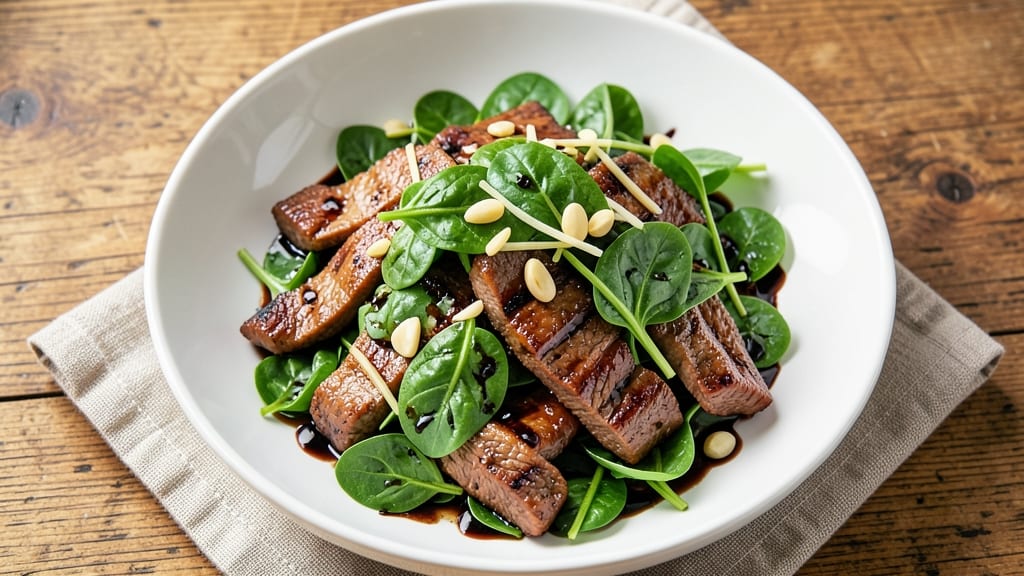
This beef and spinach stir fry delivers crisp-tender beef and vibrant wok-hei in just 20 minutes, transforming simple ingredients into a restaurant-worthy dish. The secret lies in high-heat searing followed by a bright garlic-ginger sauce that balances umami and freshness—something I perfected after years of testing home stir-fry techniques.
What sets this apart is the two-step cooking method that ensures beef stays juicy while spinach wilts just enough to maintain its bright color.
Professional chefs rely on proper knife skills and timing to achieve the perfect texture contrast: caramelized beef edges paired with tender spinach that still holds its shape. I'll walk you through the exact technique for slicing beef against the grain, which guarantees melt-in-your-mouth results every time.
The garlic-ginger sauce isn't just flavorful—it's the foundation that ties everything together, cutting through the richness of the beef while enhancing the spinach's natural sweetness.
By the time you plate this dish, you'll have golden-brown beef strips with perfectly seared edges, spinach that's vibrant yet tender, and a sauce that coats every bite with aromatic depth. The high-heat wok technique creates that signature "breath of fire" aroma that makes stir-fry so irresistible.
This recipe serves four as a complete meal, though I often double it for leftovers that reheat beautifully for lunch the next day.
For those who want to elevate it further, I'll share my go-to variations—adding mushrooms for extra umami or swapping in bok choy for a different texture. The beauty of this dish is its flexibility while maintaining that essential balance of textures and flavors that define great stir-fry.
Let's get cooking—your taste buds will thank you.
Ingredients for beef and spinach stir fry
Crisp-tender beef and vibrant spinach come together with bold garlic-ginger heat—just 14 ingredients for a restaurant-quality stir fry.
| Ingredient | Amount | Notes |
|---|---|---|
| Flank Steak 🥩 | 1 lb | Thinly sliced against grain |
| Baby Spinach 🌿 | 5 oz | Fresh, not wilted |
| Garlic Cloves 🧄 | 4 cloves | Minced, fresh preferred |
| Fresh Ginger 🌿 | 1 tbsp | Grated, peeled |
| Soy Sauce 🍶 | 3 tbsp | Low-sodium preferred |
| Sesame Oil 🫒 | 1 tbsp | Toasted, for aroma |
| Vegetable Oil 🫒 | 2 tbsp | High smoke point |
| Honey 🍯 | 1 tbsp | For sauce balance |
| Rice Vinegar 🍶 | 1 tbsp | White or seasoned |
| Red Pepper Flakes 🌶️ | ½ tsp | Adjust to taste |
| Sesame Seeds 🌾 | 1 tsp | Toasted for garnish |
| Salt 🧂 | ½ tsp | Kosher or sea salt |
| Black Pepper 🌶️ | ¼ tsp | Freshly ground |
| Green Onion 🧅 | 2 whole | Sliced, for garnish |
The beef is everything here. Flank steak delivers that signature wok-hei texture when sliced thin against the grain—Costco or Whole Foods carry pre-sliced versions if you're short on time, but slicing yourself makes all the difference. Look for bright red, well-marbled meat at the butcher counter. For spinach, baby spinach holds its shape better than loose-leaf, and Trader Joe's sells pre-washed bags that save cleanup time. Fresh garlic and ginger are non-negotiable—they're the aromatic backbone of this dish, so don't use those sad jarred minced versions.
No sesame oil? Toasted peanut oil works in a pinch, though it lacks that nutty aroma. Running short on honey? Maple syrup at half the amount keeps the sauce balanced. The red pepper flakes can be swapped for Sichuan peppercorns (toasted and ground)—they add a numbing kick that's perfect for adventurous eaters. If you've got bok choy or mushrooms, toss them in with the spinach—they'll absorb that garlic-ginger magic beautifully. And for the sesame seeds, toast them in a dry pan for 30 seconds before garnishing to really bring out their flavor.
Prep ahead to save time: slice the beef and chop the garlic/ginger first, then store in airtight containers in the fridge for up to 2 days. The spinach wilts fast, so wash it just before cooking. This reheats beautifully—2 minutes in a wok or skillet over high heat—though it's best served fresh. For leftovers, portion into containers with a thin layer of sauce to keep everything moist. The flavors actually deepen overnight, so it makes for great lunches.
Why You'll Love This Recipe
- One-Pan Magic: I swear by this recipe when I’m too tired to scrub a million dishes—just sear the steak, toss in the spinach, and let the garlic and ginger work their magic. The wok (or even a deep skillet) does all the heavy lifting while I sip my wine.
- Umami Bomb: That first bite? Soy sauce caramelizing on the flank steak while the spinach wilts into tender, salty perfection—it’s like a flavor explosion in your mouth. Honestly, the ginger adds this bright kick that cuts through the richness, making it feel fancy without the fuss.
- Lunchbox Hero: Between us, this is my go-to for meal prep—slice the leftovers thin, pack them in containers, and they stay fresh for days. My kids (and my husband) grab it for school lunches or post-work snacks, and no one complains about the taste.
- Budget Power Move: Flank steak stretches further than you’d think when sliced thin, and baby spinach is one of the cheapest greens out there. I’ve made this for date nights, family dinners, and even a last-minute potluck—always a crowd-pleaser without breaking the bank.
Step-by-step instructions for crisp-tender beef and spinach stir fry
Here's how to achieve that perfect balance of tender beef and vibrant spinach with bold garlic-ginger flavor.
Prepare the Flank Steak for Perfect Texture
Begin by slicing the 1 lb flank steak thinly against the grain into ¼-inch strips. This is crucial for tenderness—thin slices cook quickly and stay juicy. Place the sliced steak in a bowl and add 0.5 tsp salt, 0.25 tsp black pepper, and 3 tbsp soy sauce. Toss gently to coat evenly, then let it marinate for 15-20 minutes at room temperature. This brief marinade enhances flavor while keeping the beef tender.
While the steak marinates, mince the 4 cloves garlic cloves and grate the 1 tbsp fresh ginger. These aromatics form the flavor foundation of your stir fry. I like to use a microplane for the ginger to get fine, even shreds that distribute perfectly throughout the dish. Keep them in a small bowl until ready to use—this prevents them from drying out or losing potency.
Build the Flavor Base with Garlic and Ginger
Heat 2 tbsp vegetable oil in a large skillet or wok over medium-high heat until shimmering. Add the minced garlic and grated ginger, stirring constantly for 30-45 seconds until fragrant but not browned. This quick cook preserves their bright flavors rather than letting them burn. If the garlic starts to color too quickly, reduce the heat slightly—you want aroma, not bitterness.
Here's where it gets good: add the marinated steak in a single layer, spreading it out evenly. Let it sear undisturbed for 1-2 minutes until the edges develop a deep golden crust. This initial sear locks in juices and creates that satisfying texture contrast. Only then should you stir the beef, breaking it into bite-sized pieces. Cook for another 2-3 minutes until the steak is 85% cooked—it'll finish in the sauce.
Finish the Beef and Prepare the Sauce
Remove the beef from the skillet and set it aside. In the same pan (no need to clean it—the browned bits are flavor gold), add 1 tbsp sesame oil and swirl to coat. Pour in 1 tbsp rice vinegar and 1 tbsp honey, scraping up any stuck-on bits. Let this simmer for 1 minute until slightly reduced—this creates a glossy, balanced sauce that's both tangy and sweet.
Return the beef to the pan and add 5 oz baby spinach, tossing gently to wilt just until tender (about 30 seconds). The spinach should retain its vibrant color but be slightly softened. Sprinkle with 0.5 tsp red pepper flakes and toss everything together for another 30 seconds to meld the flavors. The heat from the pan will finish cooking the beef perfectly while keeping the spinach bright.
Plate and Garnish for Restaurant-Quality Presentation
Transfer the stir fry to serving plates immediately. The residual heat will keep everything warm while you finish. Drizzle with any remaining sauce from the pan, then sprinkle with 1 tsp toasted sesame seeds and sliced 2 whole green onion. I like to arrange the spinach on top for visual appeal—it adds a pop of color that makes the dish look as good as it tastes.
Serve while hot with steamed jasmine rice or noodles. Each bite should deliver tender beef with a slight chew, vibrant spinach, and that bright garlic-ginger-sesame flavor profile. The red pepper flakes add just enough heat to make it interesting without overpowering. Don't skip the sesame seeds—they add texture and visual appeal that takes this dish from home-cooked to restaurant-worthy.
Pro Tips For Making Beef And Spinach Stir Fry
- Slice Thin, Slice Fast: Flank steak’s flavor hides in thin, even slices—about ¼-inch thick. Use your non-dominant hand to hold the meat firmly while slicing against the grain with a sharp knife. I used to rush this and ended up with chewy strips; take the extra 10 minutes now to save your dinner later.
- Wilt Spinach at the End: Add baby spinach only in the last 30 seconds of cooking—it wilts faster than you think. Overcrowding the pan steams it instead of searing, and you’ll end up with sad, limp leaves. Toss it in after the beef and garlic have already browned.
- Salt the Steak Before Cooking: Season the sliced flank steak with salt and a touch of pepper before hitting the pan. This guarantees the crust forms properly, not just on the outside but all the way through. I learned this the hard way—dry-salting ahead makes a real difference in texture.
- Use Ginger-Garlic Paste for Speed: Skip mincing fresh ginger and garlic if you’re short on time—just grab a pre-made paste from the Asian aisle. It’s just as effective, and you won’t waste 10 minutes peeling and grating. (Yes, even if you’re impatient like me.) Just reduce the oil slightly since pastes add moisture.
Common mistakes when making this dish
Overcrowding the Pan
This is the #1 mistake I see in home stir-fries—adding too much beef or spinach at once. When you overcrowd your pan, the ingredients steam instead of sear, resulting in soggy beef and limp spinach.
The key is working in batches: cook the beef in single layers with space between pieces, then remove it before adding more. For 1 lb flank steak, I recommend cooking it in 2 batches if your pan isn't large enough.
The same rule applies to spinach—add it in small handfuls so it wilts quickly but stays vibrant. 🔥
Skipping the Rest
Freshly cooked beef needs a 2-3 minute rest after searing before finishing with the sauce. This crucial step allows the juices to redistribute, preventing dry, tough bites. I know it's tempting to eat immediately, but trust me—this pause makes all the difference.
Set your cooked beef on a plate and let it sit while you prepare the sauce. The same goes for spinach—adding it too early will turn it into a sad, watery mess.
Using Cold Ingredients
Cold beef and spinach straight from the fridge will shock your pan and lower the cooking temperature dramatically. Always let your beef sit at room temperature for 15-20 minutes before cooking, and wash your spinach just before using.
I keep my spinach in a colander lined with paper towels to remove excess moisture—wet ingredients cause splattering and uneven cooking. Even the garlic and ginger should be at room temperature when you add them to the pan for maximum flavor extraction. ⚡
Low Heat Settings
Stir-fry requires high heat to achieve that signature wok-hei (breath of fire) aroma and proper texture. If you're cooking on medium heat or lower, your beef will boil in its juices instead of developing that perfect crust.
Your pan should be smoking slightly when you add the beef—this is normal and indicates you're on the right track. A wok or cast-iron skillet works best, but any heavy-bottomed pan will do. If your pan isn't hot enough, increase the heat and let it recover before adding ingredients.
Overcooking the Spinach
Spinach wilts in seconds—literally. The moment it turns completely limp and dark, it's overdone. You want it just tender enough to eat, with bright green color remaining. Add spinach in the final 30 seconds of cooking, toss it once, then remove from heat immediately.
The residual heat will finish cooking it perfectly. I often add spinach after the beef is already out of the pan to maintain its vibrant appearance and crisp texture. 🌿
Ignoring the Sauce Reduction
The sauce should coat the back of a spoon when finished—not pool at the bottom of the pan. If you skip the 1-minute reduction after adding vinegar and honey, your stir-fry will taste flat and watery. This step concentrates the flavors and creates that glossy finish.
Always scrape up those delicious browned bits from the bottom of the pan—they're packed with flavor. The sauce should be thick enough to cling to the beef and spinach but still flow smoothly when tossed. 💫
Nutrition facts
Frequently asked questions
Can I substitute flank steak with another cut of beef?
Sirloin or ribeye work well, but slice them ⅛-inch thick against the grain for tenderness. Flank steak is ideal because it's lean and flavorful, but avoid tougher cuts like chuck. For extra tenderness, marinate for 30 minutes instead of 15-20 if using a slightly tougher cut.
How do I prevent the spinach from turning mushy?
Add spinach in the final 30 seconds of cooking when everything else is nearly done. Use high heat and toss it just once—overcooking wilts it completely. Also, pat it dry before adding to the pan to avoid excess moisture. Baby spinach holds up better than loose-leaf varieties.
What's the best way to reheat leftovers?
Reheat in a skillet over high heat for 2 minutes with a splash of water or soy sauce to restore moisture. Microwaving can make the beef rubbery. For best results, reheat only what you plan to eat immediately—this stir fry tastes freshest when served hot. Portion leftovers with sauce to keep everything tender.
Can I make this gluten-free?
Yes! Replace soy sauce with tamari or coconut aminos (use 1:1 ratio) and check other ingredients like rice vinegar for gluten. Sesame oil is naturally gluten-free, but always verify labels. The flavor profile remains identical with these substitutions.
Why does my beef turn out tough?
Tough beef usually means either overcooking or not slicing against the grain. Cook beef until 85% done (it finishes in the sauce), and slice at a 45-degree angle against the grain. Also, avoid crowding the pan—cook in batches if needed. A meat thermometer helps ensure proper doneness.