
Soups & Stews
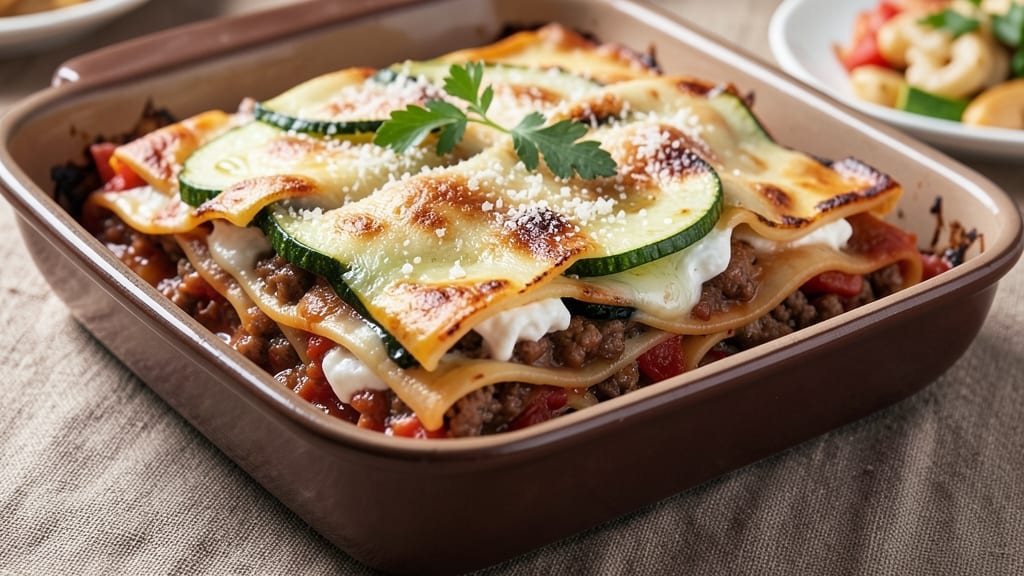
This beef and veg lasagna recipe delivers the ultimate comfort food experience—rich, hearty layers of tender beef, vibrant vegetables, and rivers of melted cheese that make every bite worth the wait. The secret lies in balancing textures: crispy edges on the noodles, tender beef, and perfectly softened vegetables that soak up the sauce without turning mushy. I've perfected this version to be restaurant-quality at home, using simple techniques that ensure even beginners can achieve that coveted "lasagna night" magic.
The foundation starts with a flavorful beef ragù simmered until deep and rich, then layered with pre-cooked noodles (no-boil shortcut included) and a mix of seasonal vegetables like zucchini, bell peppers, and spinach.
What sets this apart is the cheese blend—mozzarella for meltiness, parmesan for depth, and ricotta for that signature creamy layer between noodles. The key technique? Building layers that stay distinct yet cohesive, ensuring each bite delivers all the textures you crave.
By the time it emerges from the oven, your lasagna will have a crispy, golden top crust, tender beef that falls apart easily, and vegetables that retain their color and bite. The sauce should be just thick enough to cling to every layer without making the dish soggy.
This is the kind of lasagna that disappears faster than you can say "second helping"—perfect for family dinners, potlucks, or when you need a meal that feels like a hug.
For an extra touch, I recommend finishing with a sprinkle of fresh basil and a drizzle of olive oil right before serving. Leftovers reheat beautifully, making this the ultimate meal-prep-friendly dish. Let's get layering—your taste buds will thank you.
Ingredients for beef and veg lasagna
These hearty ingredients transform into layers of lasagna magic—tender beef, vibrant veggies, and gooey cheese rivers.
| Ingredient | Amount | Notes |
|---|---|---|
| Ground Beef (Chuck) 🥩 | 2 lb | 80% lean, finely chopped |
| Lasagna Noodles 🍝 | 12 pieces | No-boil variety preferred |
| Ricotta Cheese 🧀 | 1 ½ cups | Part-skim for creaminess |
| Mozzarella Cheese 🧀 | 2 cups | Fresh, shredded by hand |
| Parmesan Cheese 🧀 | 1 cup | Freshly grated from block |
| Zucchini 🥒 | 2 medium | Sliced into 1/4-inch rounds |
| Bell Peppers 🌶️ | 2 whole | Any color, sliced thin |
| Spinach 🌿 | 5 oz | Fresh, roughly chopped |
| Onion 🧅 | 1 medium | Diced, yellow or red |
| Garlic Cloves 🧄 | 4 cloves | Minced, fresh preferred |
| Tomato Paste 🍅 | ½ cup | Squeeze tube or can |
| Beef Broth 💧 | 2 cups | Low-sodium preferred |
| Red Wine 🍷 | ½ cup | Dry, bold variety |
| Dried Oregano 🌿 | 1 tbsp | Italian preferred |
| Dried Basil 🌿 | 1 tbsp | Or 1/4 cup fresh |
| Salt 🧂 | 1 ½ tsp | Kosher or sea salt |
| Black Pepper 🌶️ | ½ tsp | Freshly ground |
| Olive Oil 🫒 | 2 tbsp | Extra-virgin for richness |
| Fresh Basil Leaves 🌿 | ¼ cup | For garnish |
The beef is everything here. Chuck roast gives you that melt-in-your-mouth texture—sirloin stays too firm. Grab it pre-ground at Costco or your local butcher shop for the best quality. Look for good marbling, and if you're buying a whole roast, cube it yourself for even cooking. The ricotta should be part-skim—full-fat gets too rich. For the cheese, fresh mozzarella is non-negotiable—pre-shredded gets clumpy and doesn't melt right. I always buy a wedge of Parmesan and grate it myself; the pre-grated stuff just doesn't have the same depth of flavor.
No red wine? Beef broth with a splash of balsamic works in a pinch. The vegetables can be swapped based on what's seasonal—eggplant or mushrooms add great texture. For the spinach, frozen works too (thaw and drain well), but fresh gives that vibrant color. The no-boil noodles are a game-changer—they save time and keep the layers distinct. If you're short on ricotta, mashed potatoes or cottage cheese can stretch it out. And trust me, toasting the garlic in olive oil before adding it to the ragù makes all the difference—it adds a nutty depth that takes the sauce to the next level.
This lasagna tastes even better the next day—leftovers keep for 4-5 days in the fridge and freeze beautifully for up to 3 months. I always make a double batch because it disappears so fast. For reheating, cover with foil and bake at 375°F until heated through—microwaving makes the noodles soggy. Store the cheese separately if you're prepping ahead, then add it fresh before baking. The fresh basil at the end? Tear it by hand for the best texture—it adds that bright pop of flavor that ties everything together.
Why You'll Love This Recipe
- No-Fuss Layers: I swear by the "dump-and-bake" method here—just brown the chuck beef (don’t overcook it, or it’ll dry out), mix in jarred marinara and frozen veggies (no chopping!), then alternate noodles, ricotta, and cheeses. Fifteen minutes of assembly, then let the oven do the work while you pour wine.
- Ricotta Magic: That creamy ricotta layer? It’s the secret weapon. Spread it between the noodles, and suddenly you’ve got this silky, almost custard-like texture that balances the hearty beef and melty mozzarella. Honestly, I’ve tried lasagnas without it—don’t.
- Leftovers for Days: This recipe makes way more than four servings, and the flavor only gets better the next day. My freezer’s always stocked with portions because reheating it is zero effort—just cover with foil and nuke it. (Yes, even my picky teenage son begs for seconds.)
- Budget Crowd-Pleaser: Chuck beef is cheap, lasagna noodles are a steal, and you’re using three kinds of cheese—but it still feels fancy. I make this for game nights, potlucks, or when my book club rolls in. Everyone leaves happy, and my wallet stays happy too.
Step-by-step instructions for beef and vegetable lasagna
This method builds rich layers that melt together into perfect harmony—juicy beef, tender veggies, and rivers of gooey cheese.
Prepare the Beef and Sauce Mixture
Heat the 2 tablespoons olive oil in a large skillet over medium-high heat. Add the 2 lb ground beef (chuck) and cook, breaking it apart with a wooden spoon, until it loses its raw color and starts to brown—about 5-7 minutes. This is where all the flavor develops, so don't rush it.
Add the 1 medium diced onion and 4 minced garlic cloves, cooking for 2 minutes until softened. Stir in the 0.5 cup tomato paste, 0.5 cup red wine, 2 cups beef broth, 1 tablespoon dried oregano, 1 tablespoon dried basil, 1.5 teaspoons salt, and 0.5 teaspoon black pepper. Bring to a simmer and let it cook for 10 minutes, stirring occasionally, until the sauce thickens slightly and the flavors meld together. This rich mixture will form the hearty base for your lasagna.
Cook the Vegetable Filling
In a separate skillet, heat 1 tablespoon olive oil over medium heat. Add the 2 medium sliced zucchini and 2 sliced bell peppers, cooking for 5 minutes until they begin to soften but still retain a slight bite. Add the 5 oz chopped spinach and cook for another 2 minutes until wilted. Stir in the remaining 1 tablespoon olive oil and set aside. These veggies should stay vibrant and tender, not mushy.
In a small bowl, combine the 1.5 cups ricotta cheese, 1 cup grated Parmesan cheese, 1 teaspoon salt, and 0.25 teaspoon black pepper. Mix gently until just combined—overmixing will make the ricotta dense. This creamy layer will add richness and help bind everything together.
Assemble the Lasagna Layers
Preheat your oven to 375°F. In a 9x13-inch baking dish, spread a thin layer of the beef sauce on the bottom to prevent sticking. Place 4 lasagna noodles (no-boil variety) on top, slightly overlapping if needed. Spread one-third of the ricotta mixture evenly over the noodles, then add one-third of the cooked vegetables. Ladle one-third of the beef sauce over the vegetables, followed by ½ cup of the mozzarella cheese. Repeat this layering process two more times, ending with a final layer of noodles, remaining sauce, and the rest of the mozzarella.
Here's the thing—don't skimp on the cheese! The mozzarella should be piled generously on top to create those gooey rivers when it bakes. Cover the dish tightly with aluminum foil and bake for 25 minutes. This initial bake helps the layers set without over-browning.
Bake to Perfection
Remove the foil and continue baking for another 15-20 minutes until the top is golden brown and bubbly. The edges should be crispy, and you should see cheese stretching and pulling slightly in the center. If the top isn't brown enough, broil for 1-2 minutes at the end, watching closely to avoid burning.
Let the lasagna rest for 10-15 minutes before slicing. This resting time allows the layers to set and makes it easier to cut clean slices. Garnish with the 0.25 cup fresh basil leaves just before serving. Each bite should deliver tender beef, bright vegetables, and layers of melted cheese—this is where the magic happens!
Pro Tips For Making Beef And Veg Lasagna
- Brown the Beef Right: Chuck beef releases more flavor when cooked to 165°F—don’t rush it. Break it into small chunks first, then sear in batches over medium-high heat until the edges crisp. I used to skip this, and the filling tasted bland no matter how much garlic I added.
- Pre-Cook Noodles Halfway: Boil lasagna noodles for 2 minutes less than package instructions, then drain and toss with olive oil. They’ll finish cooking in the oven while layered, avoiding the soggy-bottom disaster. Yes, even if you’re impatient like me.
- Drain Ricotta Like a Pro: Press ricotta in a fine-mesh strainer lined with cheesecloth for 10 minutes before mixing. This removes excess whey, so your layers stay creamy and don’t turn into a watery mess. I learned this the hard way after a lasagna that looked more like lasagna soup.
- Layer Cheese Strategically: Sprinkle Parmesan between ricotta and mozzarella layers—it melts slower and adds a savory punch. Skip the top layer of Parmesan; it’ll burn while the mozzarella stays safe underneath. Trust me, your guests won’t notice the missing cheese, but they’ll notice the crispy crust.
Best sauces and condiments for these flavors
Classic Beef Ragù
This rich, slow-cooked sauce is the heart of your lasagna. I start with 2 tablespoons olive oil and 2 lb ground chuck beef to build deep, meaty flavor.
After browning the beef, I add 1 medium diced onion, 4 minced garlic cloves, 0.5 cup tomato paste, 0.5 cup dry red wine, and 2 cups beef broth. Simmering for 10 minutes lets the flavors meld perfectly.
The key is patience—rushing this step makes the sauce taste flat. 🍷
Creamy Ricotta Layer
The ricotta mixture is what makes this lasagna extra special. I combine 1.5 cups ricotta cheese, 1 cup freshly grated Parmesan, 1 teaspoon salt, and 0.25 teaspoon black pepper. Mixing gently keeps it light and fluffy.
This layer adds a luxurious creaminess that balances the rich beef sauce. For extra flavor, I sometimes add a pinch of nutmeg or a splash of lemon zest. 🧀
Fresh Tomato Sauce
For a lighter twist, swap the tomato paste for a simple fresh tomato sauce. Blend 1.5 cups San Marzano tomatoes (peeled and chopped) with 2 tablespoons olive oil, 1 teaspoon dried basil, 1 teaspoon oregano, 1 teaspoon sugar, and 0.5 teaspoon salt.
Simmer for 15 minutes to concentrate the flavors. This works beautifully with the beef and adds a bright acidity that cuts through the richness. 🍅
Spinach-Pesto Swap
Replace the ricotta layer with a vibrant spinach-pesto mixture for a fresh twist. Blend 2 cups fresh spinach, 0.5 cup basil pesto (store-bought or homemade), 1 cup ricotta, and 0.25 cup grated Parmesan.
Spread this between layers for a pop of color and herby brightness. The pesto adds a Mediterranean flair that pairs perfectly with the beef. 🌿
Garlic-White Wine Sauce
For a more elegant touch, use a garlic-white wine sauce instead of tomato-based. Sauté 4 minced garlic cloves in 2 tablespoons olive oil until golden, then deglaze with 0.5 cup dry white wine.
Add 1 cup heavy cream and 0.5 cup grated Parmesan, simmering until thickened. This sauce adds a luxurious, velvety texture that complements the beef beautifully. 🍷
Cheese Sauce Topping
For a decadent finish, mix 1 cup ricotta, 1 cup mozzarella, 0.5 cup Parmesan, and 1 tablespoon cream cheese for a creamy topping. Spread this over the final layer of noodles before baking.
It creates a luscious, stretchy cheese blanket that's irresistible. This works especially well if you're making a vegetarian-friendly version with less meat. 🧀✨
Nutrition facts
Frequently asked questions
Can I use regular lasagna noodles instead of no-boil?
Yes, but you'll need to cook them first until al dente, then drain and rinse with cold water to stop cooking. The key is to layer them while still slightly firm to prevent sogginess. No-boil noodles save time and keep the layers distinct, but properly cooked regular noodles work too—just don't skip the cold water rinse!
How do I prevent my lasagna from getting soggy?
Sogginess happens when too much liquid sits in the layers. Start by spreading a thin layer of sauce on the bottom, then alternate with noodles, cheese, and sauce. Use less sauce between layers (about 1/3 cup per layer) and add most of the cheese on top. Baking uncovered for the last 15-20 minutes creates a crispy top that locks in moisture.
Can I make this lasagna ahead of time?
Assemble it up to 24 hours ahead and refrigerate uncovered. Before baking, let it sit at room temperature for 30 minutes, then bake covered with foil for 5 minutes longer than usual. For freezing, assemble without the final cheese layer, wrap tightly in foil, and freeze for up to 3 months. Thaw overnight in the fridge before baking.
What vegetables can I substitute? This recipe works with almost any veggies! Swap zucchini for eggplant or mushrooms, bell peppers for roasted red peppers, or spinach for kale. For heartier options, try roasted butternut squash or sautéed onions. Just
How do I make this vegetarian?
Replace the beef with 1.5 cups lentils (cooked) or 1 lb mushrooms (sautéed with garlic and herbs). For extra protein, add 1 cup ricotta or cottage cheese to the filling. Keep the same layering technique, but you may need to reduce the ricotta layer slightly to balance the moisture. A splash of balsamic vinegar in the sauce adds depth when meat isn't present.