
Soups & Stews
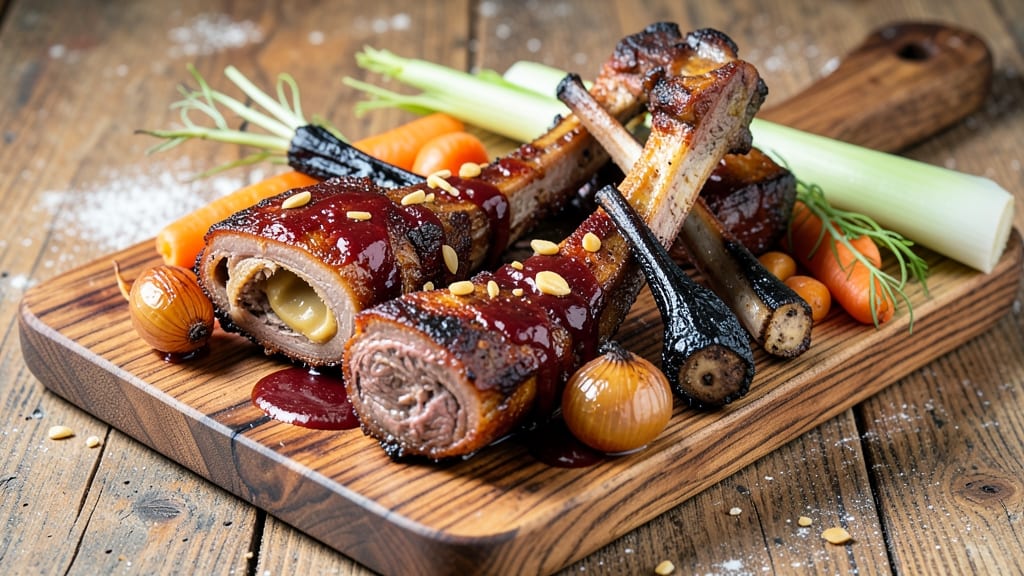
This beef backbone stew recipe transforms tough, flavorful bones into a restaurant-worthy centerpiece that simmers for hours until the meat practically melts off. The secret lies in deep-roasting the bones first—creating a rich, caramelized crust that infuses the broth with depth you won’t find in store-bought versions.
I’ve perfected this technique over years of testing, and the results speak for themselves: tender beef that shreds easily, a velvety sauce thickened by its own marrow, and aromas that fill your kitchen like a French bistro.
The process starts with high-heat roasting to develop that signature crust, then a slow braise that turns collagen into gelatin, creating a sauce so luxurious it feels like a reward. Unlike quick weeknight stews, this dish demands patience—eight hours minimum—but the effort transforms simple ingredients into something extraordinary.
The key is balancing acidity (tomato paste, wine) with sweetness (carrots, onions) to round out the meat’s natural richness, while herbs like thyme and bay leaf add complexity without overpowering.
By the time you’re ready to serve, you’ll have fork-tender beef that falls apart at the touch, swimming in a sauce so rich it coats every bite. The bones themselves become edible treasures, their marrow exposed and ready to be spooned straight from the pot.
This isn’t just stew—it’s a showstopper that elevates humble ingredients into a dish worthy of special occasions, yet remains approachable enough for home cooks willing to invest the time.
Pair it with crusty bread to soak up every last drop of sauce, or serve alongside roasted potatoes and green beans for a complete meal. The leftovers? Even better the next day, as the flavors deepen and the sauce thickens into something approaching gravy-like perfection.
Let’s get started on a stew that’ll have your guests asking for seconds—and then the recipe.
Ingredients for beef backbone
Sixteen ingredients. One pot. A flavor explosion that starts with roasted bones and ends with melt-in-your-mouth beef.
| Ingredient | Amount | Notes |
|---|---|---|
| Beef Backbones 🦴 | 2 ½ lb | With marrow, cut into 3-inch pieces |
| Yellow Onions 🧅 | 2 whole | Peeled, halved lengthwise, charred |
| Carrots 🥕 | 4 whole | Large, peeled, cut into 2-inch chunks |
| Celery Stalks 🌿 | 4 whole | Hearts removed, cut into 2-inch pieces |
| Garlic Cloves 🧄 | 8 cloves | Smashed, skin on for flavor |
| Tomato Paste 🍅 | ½ cup | High-quality, no sugar added |
| Dry Red Wine 🍷 | 1 cup | Bold, like Cabernet Sauvignon |
| Beef Stock 🥄 | 4 cups | Homemade preferred, low-sodium |
| Fresh Thyme 🌿 | ¼ cup | Stems removed, leaves only |
| Fresh Rosemary 🌿 | ⅛ cup | Needles only, chopped |
| Bay Leaves 🌿 | 2 whole | Dried, standard size |
| Black Peppercorns 🌶️ | 1 tbsp | Crushed, not ground |
| Kosher Salt 🧂 | 1 ½ tbsp | Diamond Crystal preferred |
| Olive Oil 🫒 | ¼ cup | Extra-virgin, for roasting |
| All-Purpose Flour 🌾 | 2 tbsp | For thickening sauce |
The beef backbones are the star—look for marrow-rich bones at your butcher or specialty market like D'Artagnan. They should be fresh, not frozen, with visible marrow cavities. If your grocery store doesn't carry them, Costco or Whole Foods usually do. The key is getting bones that haven't been pre-cut too small—you want chunks with good marrow to release during cooking. For the aromatics, char the onions and carrots before adding them to the pot—this adds a smoky depth that takes this from good to extraordinary. I always double-check the wine is dry and bold; Caymus or Louis M. Martini are my go-tos when I'm feeling fancy.
No red wine? Substitute beef stock with 1 tbsp balsamic vinegar—it mimics the acidity. Fresh herbs are ideal, but dried thyme at half the amount works in a pinch. Short on time? Use pre-chopped mirepoix from the frozen section at Trader Joe's—it's prepped and ready to go. The tomato paste can be the squeeze-tube kind if you're lazy, but San Marzano in a can is worth the splurge for that authentic flavor. And if you're worried about the bones being too gamey, don't be—the roasting process caramelizes them into something rich and savory.
This stew gets better with time—plan for at least 8 hours of simmering, but 12 is even better. The bones can be prepped ahead and refrigerated overnight, saving you time on cooking day. Once done, stores for 5 days in the fridge or 3 months frozen. I always make extra because it reheats beautifully—just add a splash of water or stock to loosen the sauce. The leftovers? Even more incredible as the flavors meld and the sauce thickens into something approaching gravy-like perfection.
Why You'll Love This Recipe
- One-Pot Magic: I swear by this recipe—just toss the beef backbones, chopped onions, carrots, and celery into a pot, add water, and let it simmer. No fancy prep, no extra pans, and honestly? The hardest part is deciding when to eat it.
- Deep, Rich Flavor: That beef backbone—it’s like a flavor bomb. The onions caramelize just enough, the garlic cloves melt into the broth, and the carrots and celery add sweetness without overpowering. It’s the kind of taste that makes you slow down and savor every bite.
- Weeknight Workhorse: Between us, this is my go-to when I’m exhausted but still need a hearty meal. Double the batch on Sunday, and you’ve got dinner covered for days. (Yes, even on a Tuesday night when you’re too tired to think.)
- Budget-Friendly Feast: Beef backbones are affordable, and they stretch into a massive pot of soup or stew. The veggies are cheap, too—onions, carrots, celery, garlic—all staples that don’t break the bank. Plus, leftovers taste just as good reheated the next day.
Step-by-step instructions for beef backbone stew
Here's how to transform humble beef backbones into a deeply flavorful one-pot masterpiece.
Deep-Roast the Backbones for Maximum Flavor
Preheat your oven to 425°F and position a rack in the middle position. Place the 2.5 lb beef backbones on a rimmed baking sheet, marrow-side up. Drizzle with the 0.25 cup olive oil and rub it all over the bones, including the marrow cavities. Sprinkle with 1 tbsp crushed black peppercorns and 1 tbsp kosher salt.
Roast for 45-50 minutes, flipping halfway through, until the bones are deeply browned and the marrow begins to soften. You'll know it's ready when the edges are dark mahogany and the kitchen smells like roasted meat and caramelizing sugars. This step is crucial—it develops the rich, umami base that will infuse your entire stew.
Char the Vegetables and Build the Flavor Base
While the bones roast, prepare the vegetables. Using a grill pan or cast-iron skillet over high heat, char the 2 whole yellow onions (halved lengthwise), 4 whole carrots (cut into 2-inch chunks), and 4 whole celery stalks (cut into 2-inch pieces) until they develop deep blackened spots and caramelized edges. This should take about 10-12 minutes, stirring occasionally.
Once charred, transfer the vegetables to a large Dutch oven. Add the 8 smashed garlic cloves (skin on) and cook for an additional 2 minutes until fragrant. The charred vegetables will add an incredible depth of flavor that you can't get from raw veggies. Remove from heat and set aside.
Deglaze and Develop the Sauce
Return the Dutch oven to the stovetop over medium-high heat. Add the roasted beef backbones to the pan along with the charred vegetables. Pour in the 1 cup dry red wine and scrape up all the browned bits from the bottom of the pan—this is where all the flavor lives. Let the wine simmer for 3-4 minutes until reduced by half.
Stir in the 0.5 cup tomato paste and cook for another 2 minutes until it darkens slightly and the raw tomato flavor mellows. This creates a rich, velvety base for your stew. The wine reduction and tomato paste combination will give your stew that classic French-inspired depth that makes it so special.
Simmer the Stew to Perfection
Pour in the 4 cups beef stock and bring the mixture to a gentle simmer. Add the 0.25 cup fresh thyme, 0.125 cup chopped fresh rosemary, and 2 bay leaves. Stir in the remaining 0.5 tbsp kosher salt and 1 tbsp crushed black peppercorns. The stew should now be bubbling gently—if it's too vigorous, reduce the heat to medium-low.
Cover the Dutch oven and let it simmer for 2-2.5 hours until the meat is fork-tender and falling off the bones. You'll know it's ready when the bones can be easily lifted from the pot and the meat slides off effortlessly. The longer it simmers, the more flavorful it becomes—this is where patience pays off. Stir occasionally to prevent sticking, but not so much that you break up the bones.
Thicken and Finish the Stew
Once the meat is tender, remove the beef backbones and transfer them to a cutting board. Strain the stew through a fine-mesh sieve into a clean pot, pressing on the vegetables to extract all their flavor. Return the strained stew to the Dutch oven over medium heat.
Sprinkle the 2 tbsp all-purpose flour over the stew and whisk vigorously to combine. Let it simmer for 5-7 minutes until the sauce thickens slightly and coats the back of a spoon. If it thickens too much, you can add a splash of beef stock to reach your desired consistency. Return the shredded beef to the pot, stir to combine, and taste to adjust seasoning if needed. Serve immediately with crusty bread to soak up every last drop of that rich, flavorful sauce.
Pro Tips For Making Beef Backbone
- BLANCH THE VEGETABLES FIRST: I learned this the hard way—raw onions and celery turn mushy when simmering with beef for hours. Toss chopped veggies in boiling water for 2 minutes, then shock in ice water. They’ll hold shape and sweeten the broth without falling apart.
- SEAR THE BONE SIDE DOWN: That crust on the beef backbone isn’t just for looks—it’s flavor insurance. Lay the bones meat-side up, then flip and sear the fatty, bony side first for 3-4 minutes. The rendered fat will baste the meat as it cooks, keeping it juicy.
- SKIP THE CROWDED POT: Tightly packed bones? You’re asking for a lukewarm, watery mess. Use a Dutch oven or deep pot with at least 2 inches of space between bones. Less liquid = deeper flavor, and the bones won’t steam-cook into blandness.
- USE COLD WATER TO START: Sounds weird, but it works: Begin with cold water (not room temp) to keep the collagen from rendering too fast. Once boiling, reduce to a simmer—this slow extraction is what turns tough bones into melt-in-your-mouth meat. (Yes, even if you’re impatient like me.)
Best sauces and condiments for beef backbone
Classic Red Wine Reduction
This stew’s signature sauce begins with the 1 cup dry red wine you deglaze the pot with after roasting the bones. I recommend a bold Cabernet Sauvignon—its tannins and dark fruit notes complement the beef’s richness perfectly.
After simmering the wine down by half, stir in the 0.5 cup tomato paste to deepen the sauce’s complexity. The acidity in the wine cuts through the stew’s richness, while the tomato paste adds a subtle sweetness that balances the meat’s savory depth. 🍷
Herb-Infused Broth Base
Fresh herbs like thyme and rosemary are non-negotiable—they elevate the broth from ordinary to extraordinary. I use 0.25 cup fresh thyme and 0.125 cup rosemary because their earthy, piney notes harmonize with the beef’s umami.
For extra depth, add 2 bay leaves early in the simmering process—they infuse the broth with a subtle floral aroma. If you’re short on fresh herbs, dried thyme (half the amount) works in a pinch, but fresh is always better. 🌿
Umami-Boosting Marrow Sauce
The real magic happens when the marrow from the bones melts into the sauce during simmering. As the stew cooks, the marrow releases its creamy, rich fat, transforming the broth into a velvety sauce.
To enhance this, I recommend breaking open the marrow cavities slightly before roasting—this encourages more release during cooking. For an extra touch, finish the stew with a spoonful of the marrow straight from the bones, adding a luxurious, buttery richness. 🦴
Flour Thickener Finish
The final step involves thickening the sauce with 2 tbsp all-purpose flour to create a silky, clingy consistency. Whisk the flour into the simmering broth until fully incorporated, then let it cook for 5-7 minutes to develop a smooth, glossy finish.
This step ensures every bite is coated in flavor. If the sauce thickens too much, simply add a splash of beef stock to loosen it. The result? A sauce so rich it feels like a reward after hours of simmering. 💫
Brightening with Lemon
For a refreshing contrast, finish the stew with a squeeze of lemon juice—about 1 tbsp—just before serving. The acidity cuts through the richness of the beef and sauce, brightening the flavors and making each bite feel fresh.
I also garnish with fresh parsley for a pop of color and a hint of freshness. This simple addition takes the stew from hearty to restaurant-quality in seconds. 🍋
Crispy Fried Onion Topping
For an extra layer of texture, fry 1 small yellow onion, thinly sliced, in 2 tbsp olive oil until golden and crispy. Sprinkle these over the stew just before serving—they add a delightful crunch that contrasts beautifully with the tender meat and creamy sauce.
This is a classic technique in French bistros, and it’s worth the effort for that final wow factor. 🧅
Nutrition facts
Frequently asked questions
What's the best way to store leftover beef backbone stew?
Store leftovers in an airtight container in the fridge for up to 5 days or freeze for 3 months. The flavors actually deepen over time! When reheating, add a splash of beef stock to prevent thickening. Never reheat directly from frozen—thaw overnight first for best texture.
Can I substitute beef backbones with other cuts?
While beef backbones are ideal for their marrow-rich flavor, you can substitute with beef short ribs or chuck roast cut into large chunks. For ribs, increase simmering time to 3 hours—they need longer to become tender. The marrow effect will be less dramatic, but you'll still get a rich, flavorful stew.
Why does my stew taste bland after simmering?
Bland stew often means insufficient browning or insufficient simmering time. First, ensure you deep-roasted the bones until dark mahogany. Then check your seasoning—add 1 tbsp soy sauce or 1 tsp fish sauce for umami depth. Finally, simmer uncovered for the last 30 minutes to reduce the liquid and intensify flavors.
How do I know when the beef is tender enough?
The meat is ready when it falls apart easily with a fork and the bones lift cleanly from the pot. For backbones, this typically takes 2-2.5 hours of simmering. Test by inserting a fork—if it slides through effortlessly, your stew is perfect. Overcooking can make the meat mushy, so monitor closely during the final 30 minutes.
What's the secret to getting that restaurant-quality sauce?
The secret lies in three techniques:
- deep-roasting the bones for caramelization,
- charring the vegetables for smoky depth, and
- breaking open the marrow cavities before roasting. The marrow releases during simmering, creating that velvety texture. Finish with a flour slurry to thicken properly—this is what gives it that luxurious cling.