
Main Courses
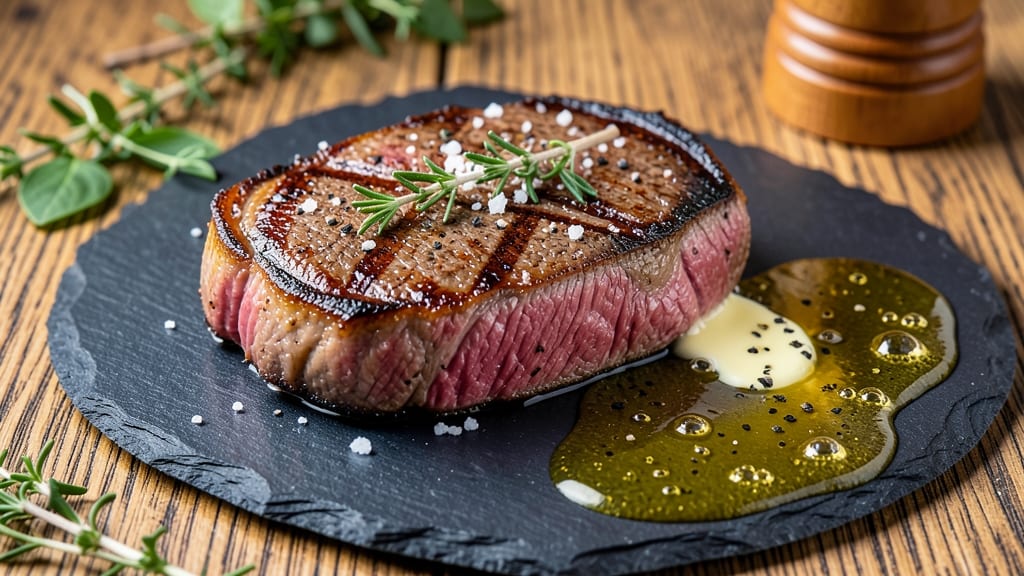
A5 Wagyu beef isn’t just meat—it’s an experience of unmatched richness, where every bite delivers layers of buttery marbling and melt-in-your-mouth tenderness. The secret to unlocking its full potential lies in precise cooking techniques that preserve its luxurious texture while creating a perfect crust.
I’ve refined this method over years of working with premium cuts, ensuring you achieve restaurant-quality results at home.
This recipe focuses on a high-heat sear, a technique that transforms the exterior into a golden, caramelized crust while keeping the interior perfectly rare or medium-rare. The key is patience—letting the beef sit at room temperature before cooking and using a cast-iron skillet or grill to control the sear.
Pairing it with complementary sides like steamed jasmine rice and miso-glazed vegetables elevates the dish into a true culinary masterpiece.
What sets A5 Wagyu apart is its marbling, which melts into velvety pockets of fat as it cooks. When done right, the beef should glisten with juices, offering a balance of savory and umami flavors in every bite.
The plating matters too—serve it on a warm plate, garnished with microgreens or a drizzle of aged soy sauce, to highlight its natural beauty and luxurious texture.
Whether you’re cooking for a special occasion or treating yourself to a gourmet meal, this recipe delivers a dining experience that rivals the finest steakhouses. The method is straightforward, but the results are extraordinary—proof that even the most premium cuts can be perfected at home with the right technique.
Ingredients for a5 wagyu beef
Premium cuts demand premium ingredients—here's what you'll need for restaurant-quality A5 Wagyu perfection.
| Ingredient | Amount | Notes |
|---|---|---|
| A5 Wagyu Beef Ribeye Steak 🥩 | 1 ½ lb | Center-cut, 1.5-inch thick, room temperature |
| Kosher Salt 🧂 | 1 ½ tsp | Diamond Crystal preferred for delicate flavor |
| Freshly Ground Black Pepper 🌶️ | 1 tsp | Cracked peppercorns for maximum aroma |
| Extra-Virgin Olive Oil 🫒 | 2 tbsp | High smoke point, fruity variety |
| Unsalted Butter 🧈 | 2 tbsp | European-style, 82% fat content |
| Fresh Thyme Leaves 🌿 | ¼ cup | From organic stems, finely chopped |
| Garlic Cloves 🧄 | 4 cloves | Roasted for sweet depth |
| Aged Soy Sauce 🍶 | 1 tbsp | Japanese-style, 3-year aged |
| Microgreens 🌱 | ½ cup | Pea shoots or red vegetable blend |
| Jasmine Rice 🍚 | 1 cup | Uncooked, long-grain variety |
| Miso Paste 🍶 | 1 tbsp | Red miso, for glaze |
The A5 Wagyu ribeye is the star, so source it from a reputable purveyor like US Wellness Meats or Snake River Farms. Look for vibrant marbling and a rich, deep red color—this indicates optimal freshness and fat content. The steak should be 1.5 inches thick at its thickest point to ensure even cooking. Let it sit at room temperature for 45-60 minutes before cooking to ensure an even sear. For those outside the U.S., specialty butchers in Japan or Korea often carry authentic A5 cuts that meet the same rigorous standards.
No aged soy sauce? Japanese tamari works in a pinch, though it lacks the depth of true aged soy. Fresh thyme can be swapped for dried thyme at one-third the amount, but roasting the garlic is non-negotiable—it transforms the flavor profile. For the microgreens, any leafy variety works, but pea shoots or red vegetable microgreens add vibrant color to the plate. The miso paste should be red miso for bold umami, not white miso. If you can't find it, white miso plus a pinch of smoked paprika mimics the depth. The jasmine rice is simple—just ensure it's long-grain and uncooked for perfect texture.
Store the A5 Wagyu in its original vacuum-sealed packaging in the coldest part of your fridge until ready to cook. Once cooked, the steak reheats beautifully—sear again briefly in a hot pan to restore its crust. The microgreens should be stored in a damp paper towel-lined container and used within 3-4 days for peak freshness. The miso paste and aged soy sauce keep indefinitely in the pantry, while the olive oil and butter should be refrigerated after opening. For extra indulgence, freeze any leftover steak portions in airtight vacuum-sealed bags for up to 3 months—the marbling stays pristine.
Why You'll Love This Recipe
- I’ll be real: you’ll probably eat the whole steak in one sitting. But if there’s even a sliver left? That butter-basted ribeye reheats like a dream—sliced thin over toast or tossed into a quick stir-fry. It’s the kind of leftover that makes you question why you ever ordered takeout.
- Two-Ingredient Magic: Honestly, this recipe is ridiculously simple. Just salt, pepper, and a sear—no marinades, no fancy sauces. The A5 wagyu does all the heavy lifting, melting in your mouth while the crust stays golden. That’s it. No stress, no overthinking.
- Butter-Basted Bliss: Here’s what sold me—the way that butter bastes the steak mid-cook. The first bite? Rich, velvety, with that crisp edge where the olive oil and butter meet. It’s not just flavor—it’s luxury in every forkful, and you don’t need a Michelin star to pull it off.
- Weeknight or Wow Factor: Between us, this steak works for everything. Throw it on the grill for a summer BBQ, sear it on the stovetop for a last-minute date night, or even slice it thin for a fancy charcuterie board. The same effortless technique adapts to any occasion—no extra work, just different vibes.
Step-by-step instructions for A5 Wagyu beef ribeye steak
Mastering this cut requires precision—here's how to unlock its legendary buttery marbling and achieve a flawless sear.
Prepare the A5 Wagyu for Optimal Cooking
Remove the 1.5 lb A5 Wagyu Beef Ribeye Steak from the refrigerator and let it sit at room temperature for 45-60 minutes. This crucial step ensures even cooking throughout the thickest part of the steak. The center-cut, 1.5-inch thickness means we're working with premium marbling that needs time to equilibrate.
While the steak acclimates, combine 1.5 tsp Kosher Salt and 1 tsp Freshly Ground Black Pepper in a small bowl. The Diamond Crystal salt's delicate crystal structure enhances flavor without overpowering the beef's natural richness, while freshly cracked peppercorns release maximum aroma. Pat the steak dry with paper towels—this creates a better crust for the sear and prevents steam from interfering with the Maillard reaction.
Create the Perfect Searing Surface
Heat a cast-iron skillet over medium-high heat until it's screaming hot—you should see a thin layer of steam evaporate when you drop a few water droplets. Add 2 tbsp Extra-Virgin Olive Oil (high smoke point, fruity variety) and let it shimmer for 30 seconds. The oil should be hot enough to sizzle when the steak touches it.
Add 2 tbsp Unsalted Butter (European-style, 82% fat content) and 4 cloves Garlic Cloves (peeled and smashed). The butter will foam and brown slightly—this creates additional flavor layers. Immediately place the steak in the skillet, pressing down gently with a pair of tongs for the first 10 seconds to ensure full contact with the hot surface. This prevents curling and ensures even searing.
Sear to Golden Perfection
Cook the steak for 3-4 minutes per side for medium-rare, or until an instant-read thermometer inserted into the thickest part registers 125-130°F. You'll know it's ready when the edges develop a deep mahogany crust and the steak releases easily from the pan. For extra flavor, baste the steak with the rendered butter and garlic mixture every 30 seconds during the last minute of cooking.
Remove the steak from the pan and transfer to a warm plate. Tent loosely with aluminum foil and let it rest for 8-10 minutes. This resting period allows the juices to redistribute throughout the meat, ensuring each bite remains tender and moist. The internal temperature will rise about 5°F during resting—account for this when determining doneness.
Prepare the Miso-Thyme Glaze and Garnish
While the steak rests, create a simple yet elegant glaze by combining 1 tbsp Miso Paste and 1 tbsp Aged Soy Sauce in a small saucepan. Warm over low heat for 1-2 minutes until smooth, then whisk in 0.25 cup Fresh Thyme Leaves (finely chopped). The miso adds umami depth while the thyme complements the beef's natural richness.
After the steak has rested, slice it against the grain into ½-inch thick portions. Arrange the slices on a warmed platter and drizzle generously with the miso-thyme glaze. Garnish with 0.5 cup Microgreens (peas shoots or red vegetable blend) for a vibrant contrast and fresh crunch.
Serve with Jasmine Rice
Cook 1 cup Jasmine Rice according to package instructions until tender and fluffy. The delicate floral notes of jasmine rice provide a perfect counterpoint to the rich, buttery steak. Serve the steak immediately over the rice, allowing guests to experience the full spectrum of flavors—from the first sear to the final umami finish.
The result should be a steak with a deep mahogany crust, buttery marbling that melts in your mouth, and a perfectly balanced flavor profile where each component enhances the others. This method transforms a premium cut into an unforgettable dining experience.
Pro Tips For Making A5 Wagyu Beef
- CRANK THE HEAT FIRST: Wagyu’s fat melts fast—start your pan screaming hot (medium-high to high) for that perfect crust. I used to wimp out and end up with a greasy mess instead of a caramelized edge. Let it roar for 2-3 minutes before adding oil, then the steak.
- SALT BEFORE SEARING: Kosher salt on the steak 40 minutes early (yes, even if it’s cold) lets it penetrate deeper. Skip this, and you’ll just be salting the surface—wagyu deserves better. Pat dry afterward, or the butter will slide off like a wet dream.
- DON’T CROWD THE PAN: One steak at a time, or you’ll steam it instead of sear it. I learned this after a disastrous batch where my ribeye turned out sad and gray. Give it space to breathe—crowding steals heat and ruins the crust.
- BUTTER LAST, LOW AND SLOW: Toss in the butter and olive oil after the crust forms, then drop the heat to medium-low. Let it baste the steak for 30 seconds—this bastes the meat with flavor instead of burning it. (Your kitchen will smell like heaven, by the way.)
Make-ahead tips for a5 wagyu beef
Prep Ahead for Perfect Results
The A5 Wagyu's delicate marbling means we want to minimize handling before cooking. I recommend trimming excess fat and seasoning the steak up to 24 hours ahead, then storing it in an airtight container in the fridge.
The salt and pepper will penetrate the surface evenly without overpowering the beef's natural richness. Just bring it to room temperature for 45-60 minutes before cooking—this is non-negotiable for even doneness. 💡
Rice Preparation Timeline
Jasmine rice takes about 15 minutes to cook, so I suggest starting it 10 minutes before you plan to sear the steak. Use a rice cooker or heavy pot with a tight-fitting lid to maintain consistent moisture.
For extra luxury, rinse the rice 3 times before cooking to remove excess starch—this prevents gummy texture. Keep the cooked rice warm in a 200°F oven while you finish the steak. ⏰
Glaze Components Ready
The miso-thyme glaze can be prepped 1 day ahead and stored in the fridge. Combine 1 tbsp miso paste and 1 tbsp aged soy sauce in a small container, then refrigerate. When ready to use, simply warm it gently with the thyme leaves—no need to whisk vigorously.
This shortcut saves 5 minutes during the final plating stage. For extra convenience, chop the thyme leaves ahead and store them in an airtight container in the fridge. 🌿
Equipment Prep Shortcut
Get your cast-iron skillet ready the night before by giving it a quick scrub and coating it with a thin layer of flaxseed oil. Store it uncovered at room temperature to prevent moisture buildup.
When you're ready to cook, just place it on the stove and heat it up—no preheating needed. I also recommend having your instant-read thermometer calibrated and ready to go. This simple prep ensures your searing surface is perfect when you need it. 🔥
Make-Ahead Serving Plates
For a restaurant-worthy presentation, arrange your serving plates and garnishes ahead of time. Place ½ cup microgreens on each plate and cover loosely with plastic wrap. Store them in the fridge until ready to serve. The vibrant color will contrast beautifully with the steak's golden crust.
Keep the plates at room temperature to prevent condensation when you're ready to plate the steak. This attention to detail elevates the entire dining experience. ✨
Steak Storage After Cooking
If you have leftovers (unlikely with this luxurious cut!), store the cooked steak in an airtight container in the fridge for up to 3 days. To reheat, sear again in a hot pan for 10-15 seconds per side to restore the crust.
The marbling remains intact, preserving that melt-in-your-mouth texture. For longer storage, vacuum-seal portions and freeze for up to 3 months—the fat content prevents freezer burn. 🥩
Nutrition facts
Frequently asked questions
What's the ideal thickness for A5 Wagyu steaks?
The perfect thickness for A5 Wagyu is 1.5 inches at its thickest point. This allows for even cooking while maintaining that luxurious marbling throughout. Thinner cuts risk overcooking the center, while thicker cuts may not sear properly. Always measure before purchasing your cut!
Can I cook A5 Wagyu in a regular oven?
While possible, an oven won't give you that coveted crust like a cast-iron skillet or grill. For best results, use a broiler on high for 2-3 minutes per side after searing in a pan. The high heat creates that perfect caramelization while keeping the interior tender. A meat thermometer is essential to avoid overcooking!
How do I know when A5 Wagyu is perfectly cooked?
For medium-rare (the ideal doneness), aim for an internal temperature of 125-130°F using an instant-read thermometer. The edges should have a deep mahogany crust, and the steak should feel slightly springy when pressed gently. Remember, the temperature will rise 5°F during resting, so pull it out just before your target temp!
What's the best way to store A5 Wagyu before cooking?
Keep your A5 Wagyu in its original vacuum-sealed packaging in the coldest part of your fridge until ready to cook. Never thaw frozen Wagyu in water—always use the fridge method (24-48 hours for a 1.5 lb steak). The marbling stays pristine when stored properly, preserving that melt-in-your-mouth texture.
Can I substitute other Wagyu grades?
A5 is the highest grade, but you can use A4 Wagyu if A5 isn't available. The marbling will be slightly less pronounced, but still exceptional. For budget-friendly options, consider Japanese Black Wagyu (A5) from specialty butchers—they often carry authentic imports with rigorous quality standards. Never substitute with regular beef—the fat content and flavor profile are completely different!