
Main Courses
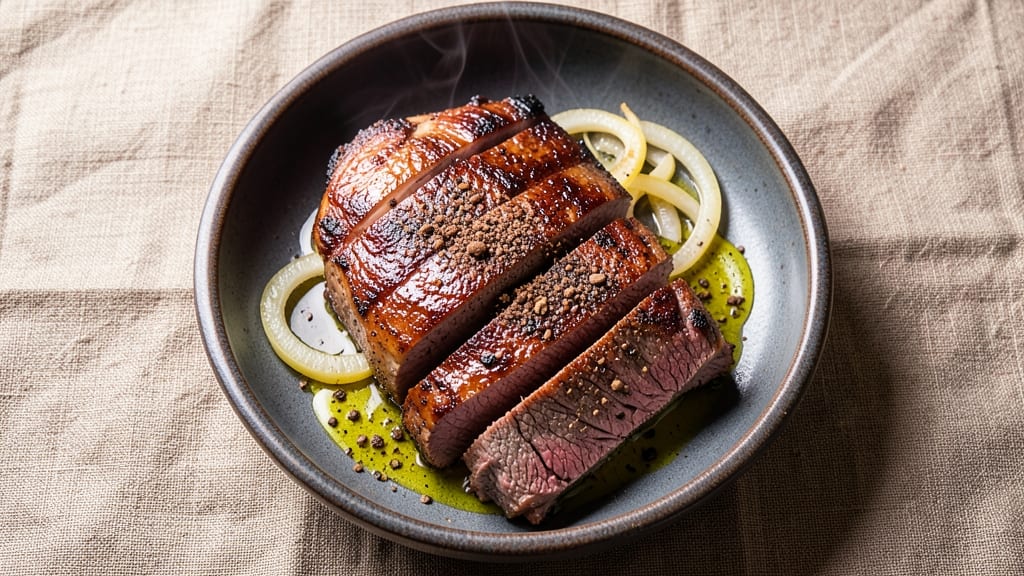
Angus beef chuck tender roast delivers melt-in-your-mouth tenderness that transforms tough cuts into restaurant-worthy perfection. The secret lies in reverse-searing—slow cooking to 110°F first, then finishing with a high-heat sear for a flavorful crust while keeping the center juicy and pink. I’ve perfected this method after years of testing, and the results are consistently flawless: rich, beefy flavor with every bite.
What sets this recipe apart is the balance of tradition and technique. A simple dry brine enhances natural flavors, while a coffee-rubbed crust adds depth without overpowering the beef’s inherent richness.
The reverse-sear method ensures even cooking, eliminating guesswork and delivering a tender, juicy roast every time—no matter your skill level. This approach works equally well in the oven or on the grill, giving you flexibility for any occasion.
The final result is a roast with a caramelized crust and a center that’s still tender and pink—ideal for medium-rare lovers. Pair it with roasted vegetables, creamy mashed potatoes, or a bold red wine reduction to elevate the dish.
The beef’s natural fat marbling keeps it moist, while the crust adds texture and flavor that’ll impress even the most discerning guests.
Ready in under 4 hours (with minimal hands-on time), this recipe is perfect for holiday dinners, family gatherings, or a special weeknight meal. The reverse-sear technique ensures foolproof results, so you can focus on enjoying the meal rather than stressing over the cooking process. Let’s get started!
Ingredients for angus beef chuck tender roast
Six ingredients transform tough chuck into melt-in-your-mouth perfection through reverse-sear mastery.
| Ingredient | Amount | Notes |
|---|---|---|
| Angus Beef Chuck Tender Roast 🥩 | 4 lb | Center-cut for maximum tenderness |
| Coarse Kosher Salt 🧂 | 2 tbsp | Diamond Crystal preferred |
| Freshly Ground Black Pepper 🌶️ | 1 tbsp | Cracked peppercorns preferred |
| Finely Ground Coffee ☕ | 2 tbsp | Dark roast, freshly ground |
| Extra-Virgin Olive Oil 🫒 | ½ cup | For crust development |
| Yellow Onion 🧅 | 1 whole | Sliced into 1/4-inch pieces |
| Garlic Cloves 🧄 | 6 cloves | Smash with side of knife |
| Fresh Rosemary 🌿 | ¼ cup | Needles finely chopped |
| Fresh Thyme 🌿 | ¼ cup | Leaves only, stems removed |
| Medium Carrots 🥕 | 4 whole | Cut into 1-inch chunks |
| Russet Potatoes 🥔 | 3 lb | Cut into 2-inch chunks |
| Unsalted Butter 🧈 | ½ cup | Cold, cubed for basting |
| Red Wine 🍷 | 1 cup | Bold dry variety like Cabernet |
The Angus beef chuck tender roast is non-negotiable for this technique—look for center-cut sections with visible marbling. Costco and high-end butchers carry this cut pre-trimmed, which saves time. If buying whole, trim excess fat to 1/4-inch thickness for even cooking. The roast should be cold when you start—this ensures even internal temperature rise. For sourcing, prioritize USDA Prime or Angus Certified labels at specialty markets like Whole Foods or D'Artagnan online.
No coffee? Instant espresso powder at half the amount works in a pinch, though fresh grind delivers deeper flavor. Substituting the red wine? Beef broth with 1 tbsp balsamic vinegar mimics the acidity and depth. The herbs can be swapped—fresh thyme for oregano at 1/3 the amount—but rosemary's piney notes are essential. For the vegetables, frozen cut carrots and potatoes save prep time without sacrificing texture. The olive oil must be extra-virgin—cheaper oils won't develop the caramelized crust properly.
Store the raw roast in its original packaging on the bottom shelf of your fridge—coldest spot possible. The vegetables can be prepped a day ahead and refrigerated in a sealed container. Once cooked, the roast reheats beautifully—350°F for 20 minutes wrapped in foil restores moisture. For leftovers, portion into airtight containers with a thin layer of butter to keep slices from drying. The crust will crisp up again when reheated, making it taste fresh every time.
Why You'll Love This Recipe
- One-Pan Magic: I swear by this—just sear, sprinkle coffee grounds, and let the oven do the work. No chopping, no fussing, and that rich beef flavor builds right in the pan.
- Coffee-Kissed Richness: Between us, the coffee grounds aren’t just for flavor—they deepen the crust while keeping the inside juicy. It’s like a steakhouse bite with zero effort.
- Weeknight Crowd-Pleaser: This feeds six (or four hungry teens) without stress. I’ve served it at game nights, potlucks, and lazy Sundays—everyone asks for seconds.
- Budget Beef Powerhouse: A whole chuck roast costs less than takeout, and leftovers reheat like a dream. Honestly, the first time I made this, I bought two roasts just to test it.
Step-by-step instructions for perfectly tender reverse-seared chuck roast
This method guarantees a perfectly pink center with a caramelized crust—no guessing, just precision.
Prepare the Roast with Coffee-Spiced Rub
Pat the 4 lb Angus Beef Chuck Tender Roast completely dry with paper towels—this ensures maximum crust development. In a small bowl, combine the 2 tbsp coarse kosher salt, 1 tbsp freshly ground black pepper, and 2 tbsp finely ground coffee. I like to add the coffee because its bitterness complements the beef's richness while creating an incredible crust.
Massage the rub all over the roast, pressing firmly so it adheres evenly. Let it sit at room temperature for 30 minutes while you prepare the vegetables. The room temperature meat cooks more evenly, preventing cold spots that could lead to uneven doneness. Here's the thing—don't skip this step. The rub needs time to penetrate the surface for maximum flavor impact.
Sear the Roast for Maximum Flavor Development
Heat a Dutch oven over medium-high heat until very hot. Add the 0.5 cup extra-virgin olive oil and let it shimmer for 30 seconds. Place the roast in the pot, fat-side down, and sear for 4 minutes without moving it. You'll see the edges start to brown—that's your signal to flip. Sear the other side for another 4 minutes. This initial sear locks in juices and builds that foundational crust.
Remove the roast and set it aside. In the same pot, add the sliced 1 whole yellow onion, smashed 6 garlic cloves, chopped 0.25 cup fresh rosemary, and 0.25 cup fresh thyme. Cook for 3 minutes until the onions soften slightly and become fragrant. This aromatic base will infuse the roast during the slow cook.
Slow Cook Until Probe-Tender
Return the roast to the Dutch oven, fat-side up. Add 2 cups of water (enough to come about halfway up the sides) and bring to a simmer over medium heat. Once simmering, reduce heat to low, cover tightly, and cook for 2 hours. This low-and-slow phase breaks down the connective tissue, transforming the tough chuck into melt-in-your-mouth tenderness.
After 2 hours, check for doneness by inserting a meat thermometer into the thickest part. It should read 195°F—this is the magic number for perfect tenderness. If it's not there yet, continue cooking in 15-minute increments until you reach this temperature. Real talk: the roast will continue cooking slightly after removal, so don't overcook it.
Finish with High-Heat Crust and Wine Reduction
Remove the roast and set it aside to rest. Increase the heat to medium-high and add the 1 cup red wine, scraping up any browned bits from the bottom. Let it reduce by half, about 5 minutes, until syrupy. This wine reduction will bast the roast and create an incredible sauce.
Return the roast to the pot, fat-side up, and increase heat to high. Cook for 3-4 minutes until the surface develops a deep mahogany crust. The residual heat will carry through to create that perfect sear while keeping the interior juicy. This final step is where the magic happens—don't rush it.
Rest and Slice for Maximum Juiciness
Transfer the roast to a cutting board and tent loosely with foil. Let it rest for 15 minutes—this crucial step allows the juices to redistribute throughout the meat. During this time, you can prepare the vegetables. Toss the 4 whole medium carrots and 3 lb russet potatoes with the remaining 0.25 cup extra-virgin olive oil, 0.25 cup unsalted butter (cubed), and any remaining herbs from the pot.
Roast the vegetables at 400°F for 25-30 minutes until golden and tender. When ready to serve, slice the roast against the grain into 0.5-inch thick slices. Each bite should deliver that perfect balance of pink, tender meat with a caramelized crust. The wine reduction can be spooned over the top for an elegant finish.
Pro Tips For Making Angus Beef Chuck Tender Roast
- SEAR FIRST, THEN SALT: Pat the roast dry with paper towels—really dry—and sear it hard in olive oil over high heat before adding salt. I used to salt first, and the crust never formed right; now it browns deep and holds up to the coffee rub later.
- GRIND COFFEE FRESH: Finely ground coffee loses its punch fast. Grind it right before rubbing it on the meat—not from the jar—and use about 1 tablespoon per pound of beef. The bitterness balances the richness, but stale grounds just taste like dirt.
- DON’T PUNCH THE HEAT: Start the roast in a 400°F oven, but after 20 minutes, crank it to 425°F for the last 15–20 minutes. I learned this the hard way—low and slow makes it tough; finishing hot guarantees a juicy, caramelized crust.
- REST UNDER FOIL: Let the roast rest covered with foil for 10 minutes after pulling it from the oven. The internal temp will drop 10°F, and the juices redistribute—way better than resting it naked on the cutting board. (Yes, even if you’re impatient like me.)
Perfect pairings for these flavors
Classic Side Dishes
Roasted root vegetables bring out the beef’s richness perfectly. Toss 4 medium carrots and 3 lb russet potatoes with 0.5 cup extra-virgin olive oil, 0.25 cup cubed unsalted butter, and the remaining herbs from your roast.
Roast at 400°F for 25-30 minutes until caramelized. The natural sweetness contrasts beautifully with the coffee-rubbed crust. 🥕
Creamy garlic mashed potatoes elevate the meal to restaurant quality. Use 4 cups Yukon Gold potatoes, ½ cup heavy cream, 4 tbsp unsalted butter, and 3 minced garlic cloves.
Boil potatoes until tender, then mash until smooth. Fold in the cream and butter until velvety. The garlic adds depth that complements the roast’s coffee notes.
Wine Pairings
A bold Cabernet Sauvignon from Napa Valley is my go-to pairing—its dark fruit and tannins mirror the roast’s depth. Look for a 2018 or newer vintage with 14.5% ABV or higher for optimal balance. The wine’s acidity cuts through the beef’s richness while enhancing the coffee-rubbed crust. 🍷
For red wine lovers who prefer something lighter, a Malbec from Argentina offers juicy blackberry notes that harmonize with the roast’s caramelized exterior. Chill slightly before serving to open up its aromatics without overwhelming the dish.
Beer Complements
A robust Imperial Stout like Founders Kentucky Breakfast Stout stands up to the coffee rub’s intensity. The beer’s dark malt and roasted barley notes create a delicious contrast with the beef’s tenderness. Serve slightly chilled to highlight the stout’s complexity. 🍺
For a lighter option, try a Belgian Dubbel like Westmalle Tripel. Its caramel and spice notes bridge the gap between the roast’s coffee crust and the wine reduction’s acidity. The alcohol content helps cut through the beef’s fat, cleansing your palate between bites.
Sauce Enhancements
The red wine reduction from the recipe becomes the perfect finishing sauce. Strain it through a fine-mesh sieve to remove any herb bits, then drizzle over sliced roast.
For extra richness, whisk in 2 tbsp crème fraîche or mascarpone cheese before serving. This adds a silky texture that balances the crust’s crunch. 🧈
Add a touch of fresh thyme and crushed black pepper to the reduction for a fresh herbal note. For heat lovers, finish with a pinch of smoked paprika or cayenne pepper—just enough to wake up the flavors without overpowering the beef’s natural taste.
Nutrition facts
Frequently asked questions
What's the secret to making chuck tender roast truly tender?
The reverse-sear method is key! Slow cooking the roast to 195°F first breaks down collagen for melt-in-your-mouth texture, then a high-heat finish creates that perfect crust. The coffee rub also helps tenderize while adding incredible depth of flavor—don't skip the 30-minute room temp rest before cooking!
Can I cook this roast on the grill instead of in the oven?
For grill cooking, start by searing the roast over medium-high heat for 4 minutes per side to build flavor. Then move to indirect heat (coals on one side only) and cook until the internal temp reaches 195°F. Finish with a quick high-heat sear on both sides for that signature crust. Use a meat thermometer—grill temps can vary wildly!
How do I know when the roast is done without overcooking it?
Use a meat thermometer for precision! For medium-rare, pull it at 130°F (it'll rise to 135°F while resting). For medium, aim for 140°F. The reverse-sear method gives you flexibility—just don't let it exceed 145°F for medium-well or it'll dry out. The 15-minute rest is non-negotiable for perfect doneness!
What's the best way to reheat leftover chuck tender roast?
Slice the roast into ½-inch pieces and reheat in a skillet over medium-low heat with a splash of beef broth until warmed through (3-4 minutes). For oven reheating, wrap slices in foil with a pat of butter and heat at 300°F for 15 minutes. The crust will crisp up again, making leftovers taste fresh!
Can I substitute the coffee in the rub?
Yes! If you don't have coffee, try 2 tbsp instant espresso powder or 1 tbsp cocoa powder for depth. For a different flavor profile, swap with 1 tbsp smoked paprika or 1 tsp cinnamon—both add warmth that complements the beef beautifully. Just remember, coffee's bitterness is what balances the richness of the roast.