
Main Courses
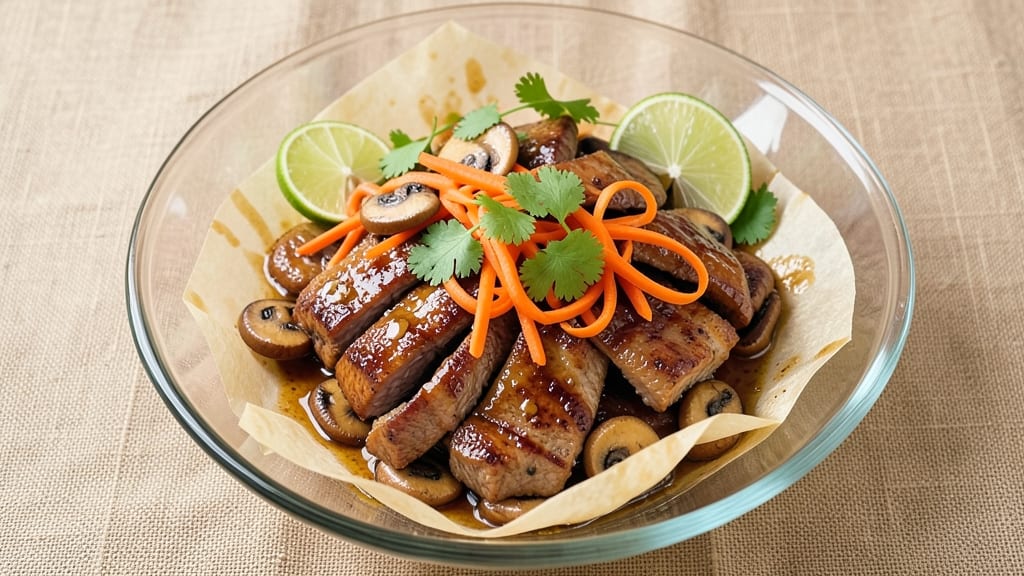
This Asian beef roll recipe delivers wok-seared crispy edges and tender beef filling wrapped in silky rice paper—every bite balances sweet, savory, and umami flavors. The secret lies in thinly sliced beef marinated in a tangy soy-ginger mix, then quickly seared in a hot wok until golden.
I perfected this technique after years of testing, ensuring the filling stays juicy while the edges achieve that coveted crunch.
What sets this recipe apart is the two-step cooking method: first pan-frying the beef for maximum flavor, then assembling the rolls with fresh herbs and rice paper for that signature crispy texture.
The filling includes mushrooms and carrots for texture, while a touch of fish sauce and sesame oil adds depth. This isn’t just another beef roll—it’s a restaurant-quality dish you can recreate at home with simple ingredients and the right technique.
By the time you finish rolling and searing, you’ll have golden, crispy-edged beef rolls that stay together perfectly, served with a light dipping sauce of hoisin and chili. The contrast of crispy outside and tender inside makes each bite irresistible.
Whether you’re hosting a dinner party or craving takeout flavors, this recipe delivers professional results without the fuss.
The beauty of this dish lies in its versatility—swap rice paper for lettuce wraps for a low-carb option or add extra veggies for a lighter version. The key is keeping everything fresh and cooking the beef just until it’s done, ensuring every roll is packed with flavor.
Let’s get started on a dish that’s as impressive as it is delicious.
Ingredients for asian beef roll
Simple ingredients that transform into restaurant-quality Asian beef rolls with crispy edges and tender filling.
| Ingredient | Amount | Notes |
|---|---|---|
| Thinly Sliced Flank Steak 🥩 | 12 oz | Cut against grain for tenderness |
| Rice Paper Wrappers 🍱 | 8 whole | Store-bought or homemade |
| Shiitake Mushrooms 🍄 | 4 whole | Stems removed, sliced thin |
| Carrots 🥕 | 1 medium | Julienned into matchsticks |
| Fresh Ginger 🌿 | 1 tbsp | Finely grated, fresh preferred |
| Garlic Cloves 🧄 | 4 cloves | Minced for marinade |
| Soy Sauce 🍶 | ½ cup | Low-sodium preferred |
| Sesame Oil 🫒 | 1 tbsp | Toasted for aroma |
| Fish Sauce 💧 | 1 tbsp | Red Boat brand recommended |
| Hoisin Sauce 🍶 | ¼ cup | For dipping sauce |
| Sriracha 🌶️ | 1 tbsp | Adjust for heat preference |
| Fresh Cilantro 🌿 | ¼ cup | Chopped for garnish |
| Vegetable Oil 🫒 | ½ cup | High smoke point preferred |
| Salt 🧂 | ½ tsp | Kosher or sea salt |
| Black Pepper 🌶️ | ¼ tsp | Freshly ground preferred |
The beef is the star—flank steak is ideal for its lean texture and ability to slice thin. Look for grass-fed options at Whole Foods or Costco for better flavor. Slice against the grain for maximum tenderness; if your butcher doesn’t do it, freeze the steak for 20 minutes first, then slice. The rice paper wrappers should be fresh and pliable—check the expiration date, as dried-out ones won’t roll properly. Trader Joe’s sells them in packs, or grab them at an Asian market for better quality.
No flank steak? Sirloin or ribeye work too, but slice extra thin. The mushrooms can be swapped for shiitake stems if you’re feeling adventurous, though they add a nice chew. Fresh ginger and garlic are non-negotiable—dried won’t give the same zing. For the soy sauce, low-sodium keeps the balance right, and if you’re out, coconut aminos work in a pinch. The sesame oil should be toasted, not the raw kind—it adds depth. If you’re sensitive to fish sauce, vegetable-based fish sauce is a good alternative, though the flavor will differ slightly.
Marinate the beef for at least 30 minutes—overnight is ideal. The rice paper wrappers keep best in the fridge, wrapped in a damp towel for up to 3 days. Prep the filling ahead and store in an airtight container for 2 days. For crispier edges, sear the rolls in a hot, dry wok—don’t overcrowd, or they’ll steam instead of crisp. Leftovers? Store in the fridge for 2 days and reheat in a steamer for 5 minutes.
Why You'll Love This Recipe
- No-Fuss Assembly: I swear by these rice paper wrappers—they soften in seconds when dipped, no fussing with sticky hands or overcooking. Just dip, fill, roll. My kids can do it (mostly without tearing), and honestly? That’s half the battle.
- Umami Bomb Combo: The shiitake mushrooms and ginger? They’re the secret weapon here. The mushrooms soak up the marinade like a sponge, while the ginger adds this bright, zesty kick that cuts through the richness of the flank steak—every bite has layers.
- Lunchbox Hero: Between us, this is my go-to for work lunches or school lunches. Wrap them tight, pack with a drizzle of soy sauce, and they hold up all day—no soggy wrappers in sight. (Yes, even on a Tuesday night when I’m too tired to think.)
- Budget Meal Stretch: A single flank steak feeds four, and the rest of the ingredients? You’re looking at maybe $8 total. The mushrooms add depth without cost, the carrots bulk it up, and leftovers? They reheat like a dream—either pan-fried crispy or cold in a salad. My wallet thanks me.
Step-by-step instructions for Asian beef roll wraps
Master these techniques and you'll achieve restaurant-quality texture—crispy edges that shatter and silky fillings that hold together.
Marinate the Flank Steak for Maximum Tenderness
In a medium bowl, combine the 12 oz thinly sliced flank steak, 0.5 cup soy sauce, 1 tbsp fish sauce, 1 tbsp sesame oil, 1 tbsp finely grated fresh ginger, and 4 minced garlic cloves. Mix gently to coat the beef evenly without tearing the slices. Let it marinate at room temperature for 15-20 minutes—this ensures deep flavor penetration and prevents toughness.
I press the beef slices down lightly with my fingers to help the marinade cling to every surface. This step is critical for achieving that signature silky texture in your wraps. Don't skip the room temperature wait—cold meat releases less flavor during cooking.
Wok-Sear the Beef for Crispy Edges
Heat 0.5 cup vegetable oil in a wok or large skillet over high heat until it shimmers. Add the marinated beef in a single layer and cook undisturbed for 1-1.5 minutes until the edges turn deep golden brown and crispy. Flip carefully and cook another 1-1.5 minutes until both sides are evenly seared.
Here's the secret: don't overcrowd the pan or the oil temperature will drop and you'll lose that crucial crispy texture. You'll know it's ready when the beef releases easily from the pan—this is your signal to remove it. Transfer to a plate and tent loosely with foil to keep warm.
Prepare the Vegetable Filling
In the same wok (no need to clean it—the fond adds flavor), add a splash of vegetable oil if needed and stir-fry the 4 whole shiitake mushrooms (sliced thin) and 1 medium carrot (julienned) over medium-high heat for 3-4 minutes until the mushrooms soften and carrots become tender-crisp. Add 1 tbsp sriracha and toss to combine.
For best results, work quickly—these vegetables should maintain their texture rather than turning mushy. The mushrooms should release their umami essence while the carrots stay slightly crisp. Remove from heat and let cool slightly before assembling.
Assemble the Wraps with Perfect Technique
Fill a shallow dish with warm water. Dip one rice paper wrapper at a time for 5-10 seconds until pliable but not soggy. Lay it flat on a clean surface and arrange 2-3 oz of seared beef in the center, followed by 1 tbsp of the vegetable mixture. Fold the bottom edge over the filling, then fold in both sides, and finally roll tightly from the bottom up.
This folding technique creates the signature tube shape that holds everything together. I press gently along the seam to seal—this prevents unraveling when cutting. Keep the assembled wraps covered with a damp towel to maintain moisture while you complete the batch.
Serve with Dipping Sauce and Garnish
In a small bowl, whisk together 0.25 cup hoisin sauce, 1 tbsp sesame oil, and 0.25 cup chopped fresh cilantro. Cut each wrap diagonally into 1-inch pieces and serve immediately with the sauce on the side. Garnish with additional cilantro and a sprinkle of 0.25 tsp black pepper for a finishing touch.
The sauce should be thick enough to coat a spoon but still flow smoothly. Serve while the wraps are warm—the contrast of crispy edges and silky filling is at its peak when everything is at its ideal temperature. Each bite should deliver that perfect balance of textures and flavors we're after.
Pro Tips For Making Asian Beef Roll
- SEAR STEAK FAST: Flank steak turns tough when overcooked—get it screaming hot in a dry pan for 30 seconds per side until just browned, not gray. I used to walk away to check the mushrooms, and the beef would dry out by the time I looked. Keep the heat high and move on.
- PREP MUSHROOMS RIGHT: Slice shiitake caps thin (⅛-inch) but leave the stems intact—chop them separately and save for stir-frying later. Whole stems add chewy texture, while caps soften perfectly for rolling. I learned this after my first batch turned to mush in the wrapper.
- SOAK WRAPPERS BRIEFLY: Dip rice paper in warm (not boiling) water for 8–10 seconds per side—just until pliable, not soggy. Over-soaking makes them stick like glue; under-soaking means they’ll crack when rolling. Test with one wrapper first—you’ll see the difference immediately.
- GINGER MATTERS: Grate fresh ginger finely (no food processor—it turns to paste) and toss it with the steak while it rests. The oils from the sear cling to the ginger, making every bite brighter. I skipped this once and missed it—now it’s non-negotiable.
Wine and beer pairings for these flavors
Crispy Edges Need Light Bodies
A crispy beef roll deserves a light, refreshing wine pairing that won’t overpower the dish’s delicate balance. I reach for dry Riesling from Germany—its bright acidity and subtle honeyed notes cut through the richness while complementing the soy-ginger marinade.
Look for a Kabinett or Spätlese from the Mosel region, where the mineral finish enhances the dish’s umami depth. 🍷
Umami Boost with Sake-Influenced Sakes
For a more adventurous match, try a Japanese sake with dry (karakuchi) or semi-dry (ginnosake) profiles. The umami from the beef and mushrooms pairs beautifully with sake’s clean, crisp finish.
A Junmai Ginjo like Hakkaisan adds a touch of floral sweetness that harmonizes with the hoisin dipping sauce. Serve it slightly chilled to balance the dish’s warmth.
Hoppy IPAs for Contrast
If you prefer beer, a West Coast IPA with citrus and pine notes creates an exciting contrast to the beef’s savory profile. I love Stone Ruination—its mango and passionfruit flavors mirror the sweetness in the hoisin while the hoppy bitterness cleanses the palate between bites.
For a lighter option, try a Belgian witbier like Hoegaarden, where coriander and orange zest echo the dish’s fresh herbs and ginger. 🍺
Avoid Heavy or Oaky Options
Skip bold reds like Cabernet Sauvignon or full-bodied Chardonnay—they’ll clash with the dish’s delicate textures. Even a Chardonnay with oak can overpower the subtle flavors of the rice paper and fresh herbs.
Instead, opt for wines and beers with high acidity and light body, which enhance rather than compete with the dish’s natural balance.
Non-Alcoholic Pairings
For a non-alcoholic option, a sparkling yuzu soda (like San Pellegrino Aranciata) adds effervescence that mirrors the crispy edges. Alternatively, a ginger beer like BrewDog Punk IPA Ginger (yes, it’s a beer, but it’s non-alcoholic!) amplifies the dish’s zesty ginger notes. Serve both chilled for the best contrast. 💛
Nutrition facts
Frequently asked questions
Can I use flank steak substitutes for this recipe?
Yes! Sirloin or ribeye work well, but slice them extra thin (about ⅛-inch thick) for best results. If you prefer a leaner option, top round works too, though it benefits from a longer marinade (2-4 hours). Avoid fatty cuts like ribeye—too much fat can make the wraps greasy.
How do I keep the rice paper from tearing when rolling?
Dip the wrapper in warm water for 5-10 seconds until pliable, then lay it flat on a damp towel to prevent sticking. Work quickly but gently—overwetting makes it fragile. Start rolling from the bottom edge, tucking in sides firmly before sealing. If it tears, use a tiny dab of water to re-wet the edges and press together.
Can I make these ahead of time?
Prep the filling and marinate the beef 1-2 days ahead, but assemble the rolls just before serving for best texture. For make-ahead convenience, cook the beef and veggies separately, then refrigerate in airtight containers. Assemble and sear rolls within 30 minutes of serving to maintain crispiness.
Why did my beef rolls turn out soggy?
Soggy rolls usually mean the rice paper was over-soaked or the filling was too wet. Use room-temperature water (not hot) and dip wrappers just until pliable. Also, pat the beef dry before assembling and avoid overfilling—2-3 oz per roll is ideal. If using pre-cooked veggies, squeeze out excess moisture first.
What’s the best way to reheat leftovers?
Reheat in a steamer for 5-7 minutes to restore crispiness without drying out the filling. Avoid microwaving—they’ll turn rubbery. For extra crunch, pan-sear reheated rolls in a dry wok for 30 seconds per side. Store leftovers in an airtight container for up to 2 days.