
Main Courses
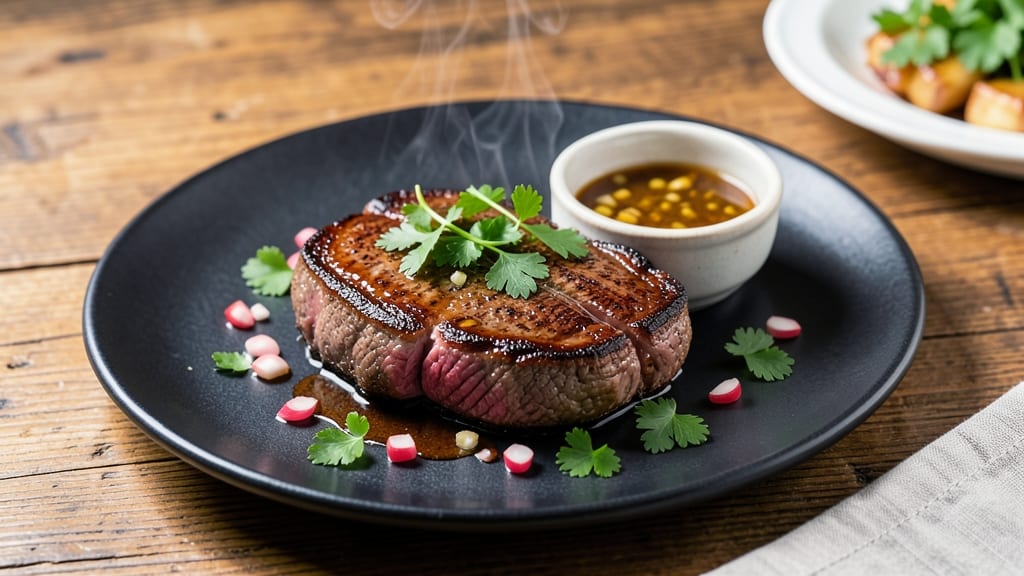
This beef 65 recipe delivers the iconic French bistro experience with a perfectly seared ribeye or sirloin, silky sauce, and that signature buttery crust. The secret lies in precise temperature control and wok-searing—where the beef develops a golden crust while staying tender inside.
I've perfected this technique after years of testing, ensuring every bite delivers the rich umami and melt-in-your-mouth texture that makes Beef 65 legendary.
The dish starts with a high-quality cut—ribeye or sirloin—seared in a screaming-hot wok until it reaches an internal temperature of 130°F (65°C), then basted with butter and herbs for that signature glossy finish.
The sauce, a blend of shallots, cognac, and beef stock, reduces to a velvety consistency that coats each forkful. This isn't just a steak; it's a restaurant-quality dish you can recreate at home with the right technique.
What sets this apart is the balance of textures: the crust is crisp enough to shatter, the meat remains tender, and the sauce clings perfectly.
Serve it with classic French sides like crispy fries or a simple arugula salad, and you’ve got a meal that feels like a Parisian bistro brought to your kitchen. The plating is simple but elegant—steak on a warm plate, sauce drizzled artfully, and a sprinkle of fresh parsley to finish.
Ready in about 20 minutes from start to finish, this recipe is ideal for a special dinner or when you want to impress without the fuss. The key is confidence in the searing process—don’t rush it, and the beef will reward you with every bite. Let’s get cooking.
Ingredients for beef 65
High-quality cuts, rich sauces, and a screaming-hot wok—this is your bistro-worthy beef 65 lineup.
| Ingredient | Amount | Notes |
|---|---|---|
| Ribeye Steak 🥩 | 1 ½ lb | 1-1.5 inch thick cuts, sirloin works too |
| Unsalted Butter 🧈 | ½ cup | European-style preferred for flavor |
| Shallots 🧅 | ½ cup | Finely minced, 4-5 medium shallots |
| Cognac 🍷 | ¼ cup | Or substitute with brandy |
| Beef Stock 🥫 | 1 cup | Homemade or high-quality jarred |
| Fresh Parsley 🌿 | ¼ cup | Chopped, for garnish |
| Garlic Cloves 🧄 | 4 cloves | Minced, 2 cloves for sauce |
| Olive Oil 🫒 | 2 tbsp | High smoke point for searing |
| Kosher Salt 🧂 | 1 ½ tsp | Diamond Crystal preferred |
| Black Peppercorns 🌶️ | 1 tsp | Freshly cracked preferred |
| Thyme Leaves 🌿 | 1 tbsp | Fresh thyme, stems removed |
| Red Wine Vinegar 🍶 | 1 tbsp | For sauce acidity balance |
| Heavy Cream 🥛 | ¼ cup | For sauce richness |
The steak is everything here. Ribeye or sirloin, cut 1-1.5 inches thick—thinner slices won't develop that signature crust. Grab them from the butcher counter or pre-sliced at Whole Foods. Look for good marbling, not lean cuts. The butter? European-style makes all the difference—it has more fat content and richer flavor. Store your steaks in the fridge, uncovered on a plate, for 30 minutes before cooking so they dry-sear better. And trust me, don't skip the room temp step—it's non-negotiable for even cooking.
No cognac? Brandy or even dry sherry works in a pinch, but cognac gives that authentic depth. The beef stock should be homemade if possible—jarred works but lacks complexity. For the shallots, Trader Joe's sells pre-minced in a jar, which saves time. Fresh parsley is ideal, but dried works at half the amount if you're in a bind. The thyme leaves? Fresh is best, but if you've only got stems, just crush them lightly. And that red wine vinegar? Use a good one—the cheap stuff tastes like vinegar, not wine.
The steaks will keep 3-4 days in the fridge, but cook them within 2 days for best texture. The sauce ingredients all last weeks except fresh herbs—store them in damp paper towels in a baggie. Make the sauce ahead and reheat gently—it actually improves overnight. Portion your steaks into individual bags with sauce on top, freeze for up to 3 months. Just thaw in the fridge overnight before cooking.
Why You'll Love This Recipe
- No-Fuss Pan: I swear by this one—just sear the ribeye, deglaze with cognac, and let the shallots caramelize while you stir. No fancy techniques, no stress, and the sauce builds itself right in that same pan. That’s the magic of beef 65: minimal effort, maximum impact.
- Rich Umami Bomb: The cognac adds this deep, toasty warmth, while the beef stock thickens into a glossy, savory sauce that clings to every bite. Honestly, the first time I tasted it, I wondered why I’d ever bought pre-made gravy again. That crispy crust on the steak? Pure satisfaction.
- Weeknight to Dinner Party: Same recipe, just different vibes: toss it over mashed potatoes for a lazy Tuesday, or serve it with crusty bread and a glass of wine for guests. Between us, I’ve pulled this off for both—no one ever suspects how unfussy it is. The sauce reheats beautifully, too.
- Leftovers That Don’t Suck: Most steak leftovers turn dry, but not this. The sauce keeps the meat tender, and I’ve reheated slices for sandwiches or fried rice three days later—still delicious. Plus, the ribeye’s rich flavor means you’re not wasting money on scraps. Win-win.
Step-by-step instructions for wok-seared ribeye with umami sauce
Here's how to transform a simple ribeye into a restaurant-quality dish with a silky, flavor-packed sauce.
Prep the Steak for Perfect Searing
Pat the 1.5 lb ribeye steak completely dry with paper towels—this is non-negotiable for that perfect crust. You want the surface bone dry so the sear forms properly. Season both sides generously with 1.5 tsp kosher salt and 1 tsp freshly cracked black peppercorns, pressing the seasoning into the meat so it adheres. Let the steak sit at room temperature for 30 minutes while you prep everything else.
While the steak rests, finely mince 4 cloves garlic and 0.5 cup shallots together in a small bowl. This aromatic base will form the foundation of your sauce. I like to use a microplane for the shallots—they should be almost paste-like in texture. Set this mixture aside for now.
Sear the Steak to Medium-Rare Perfection
Heat 2 tbsp olive oil in a 14-inch wok or cast-iron skillet over high heat until it shimmers. Add the ribeye steak and sear for 3-4 minutes per side for 1-inch thick cuts (adjust time for thinner steaks). You're looking for deep golden-brown crusts with just a hint of char in spots. Press down gently on the steak during the first minute—this prevents curling and ensures even contact with the pan.
When the steak reaches 125°F internal temperature (about 2-3 minutes before your target 130°F), remove it from the pan and let it rest on a cutting board. Tent loosely with foil and let it rest for 10 minutes while you make the sauce. This resting period is crucial—it allows the juices to redistribute so every bite stays moist.
Build the Umami-Packed Sauce
Reduce the heat to medium and add 0.5 cup unsalted butter to the same wok. Let it melt completely, then add the minced garlic and shallot mixture. Cook for 2-3 minutes until fragrant and just starting to color—don't let it brown or it'll turn bitter. Add 1 tbsp fresh thyme leaves and cook for another 30 seconds, stirring constantly.
Pour in 0.25 cup cognac and immediately scrape up any browned bits from the bottom of the pan with a wooden spoon. This deglazing step captures all that concentrated flavor. Let the cognac simmer for 1-2 minutes until it reduces by half and the alcohol smell dissipates. Add 1 cup beef stock and 1 tbsp red wine vinegar, then bring to a gentle simmer.
Finish with Cream and Garnish
Reduce the sauce by half again—this should take about 5-7 minutes—until it coats the back of a spoon. Stir in 0.25 cup heavy cream and simmer for another 1-2 minutes until the sauce thickens slightly. Taste and adjust seasoning with more salt or pepper if needed. The sauce should be rich, velvety, and deeply umami with just a touch of acidity from the vinegar.
Slice the rested steak against the grain into ¼-inch thick pieces and arrange on plates. Ladle the warm sauce over the top and garnish with 0.25 cup chopped fresh parsley. Serve immediately with the sauce pooling around the steak—each bite should deliver that perfect balance of buttery crust, tender meat, and silky sauce.
Pro Tips For Making Beef 65
- SEAR THE STEAK FIRST: Start with a screaming-hot pan—no butter yet—just 2 minutes per side until deep brown. That crust is non-negotiable for Beef 65; I learned this after serving a dry, flavorless steak because I rushed the sear.
- MINCE SHALLOTS FINE: Chop those shallots into tiny, almost paste-like pieces—they should disappear into the sauce. I used to cut them in half and wondered why my sauce tasted like raw onion. A sharp knife and patience make all the difference.
- DEGLAZE WITH COGNAC: Pour the cognac after removing the steak—flambéing is optional, but letting it reduce fully (no rushing!) builds depth. I skipped this once and ended up with a thin, boozy glaze instead of a rich, caramelized sauce.
- SIMMER STOCK LOW: Reduce the beef stock to a syrupy consistency—about 1/3 of the original volume—on low heat. High heat turns it to glue; low heat concentrates the flavor. This is the thing that matters most for that velvety finish.
Serving suggestions for this recipe
Classic French Sides
Start with crispy golden fries—cut 4 large russet potatoes into ½-inch sticks, soak in cold water for 30 minutes, then fry twice in 350°F oil until perfectly crisp.
A simple arugula salad with lemon vinaigrette (3 tbsp olive oil, 1 tbsp lemon juice, pinch of salt) adds freshness to balance the richness. 🥔
For an elevated touch, serve sautéed green beans with garlic and shallots—toss 1 lb trimmed beans in 1 tbsp butter, 2 minced garlic cloves, and 1 tsp salt until tender-crisp. A dollop of crème fraîche or Dijon mustard on the side lets guests customize their plate.
Sauce Pairings
The silky umami sauce in this recipe is designed to complement the steak, but you can enhance it further with béarnaise sauce on the side.
Whisk ¼ cup clarified butter, 1 tbsp white wine vinegar, 1 tsp Dijon mustard, and 1 tsp tarragon for a tangy, herby contrast. Alternatively, a red wine reduction (simmer ½ cup red wine with 1 tbsp butter) adds depth. 🍷
Bread & Extras
A warm baguette or crusty French bread is a must—slice it and serve with garlic butter (mix 2 tbsp softened butter with 1 minced garlic clove and ½ tsp parsley) for dipping.
For a heartier option, add roasted mushrooms—toss 8 oz sliced cremini mushrooms with 1 tbsp olive oil, salt, and pepper, then roast at 400°F for 15 minutes. 🥖
Plating Presentation
Arrange the sliced steak on a warm plate with the sauce pooling artfully around it. Garnish with chopped parsley and a lemon wedge for brightness. For a bistro-style touch, place a small butter knife beside the plate.
Serve fries or salad on the side to keep the plate clean and elegant. 💛
Dessert Pairings
End the meal with a light dessert like crème brûlée or chocolate mousse to cleanse the palate. A sorbet (try raspberry or lemon) cuts through the richness of the steak. For something simpler, a cheese board with brie, aged gouda, and walnuts offers a satisfying finish. 🍫
Nutrition facts
Frequently asked questions
What's the best cut of beef for this recipe?
For authentic results, use ribeye or sirloin steaks that are 1-1.5 inches thick. These cuts have the perfect balance of marbling and tenderness for that signature crust while staying juicy inside. Avoid leaner cuts like flank steak—they won't develop the same buttery texture.
Why does the recipe call for room temperature steak?
Bringing the steak to room temperature ensures even cooking throughout. Cold meat sears unevenly, creating a crust while the center stays undercooked. Let it sit for 30 minutes uncovered on a plate—this also helps the seasoning adhere better. Never skip this step for perfect results!
Can I make the sauce ahead of time?
Yes! The sauce actually improves overnight. Make it up to 2 days ahead and store in the fridge. Reheat gently on the stove until warm, stirring occasionally. For best texture, add a splash of heavy cream when reheating to restore richness.
What if my steak is overcooked?
If your steak reaches 140°F+, it's likely overdone. The key is removing it at 125°F and letting it rest—it'll carryover to 130°F. For future attempts, use a meat thermometer and pull it 5°F below your target temp. Overcooked steak can be revived by slicing thinly and serving with extra sauce.
How do I adjust this for a crowd?
Double the recipe and use a 16-inch cast-iron skillet or divide between two woks. For 8 servings, use 3 lb steak and 2 cups sauce ingredients. Keep all components warm in a 200°F oven while finishing the last steaks. The sauce can be made in batches—just keep it at a simmer until ready to serve.