
Main Courses
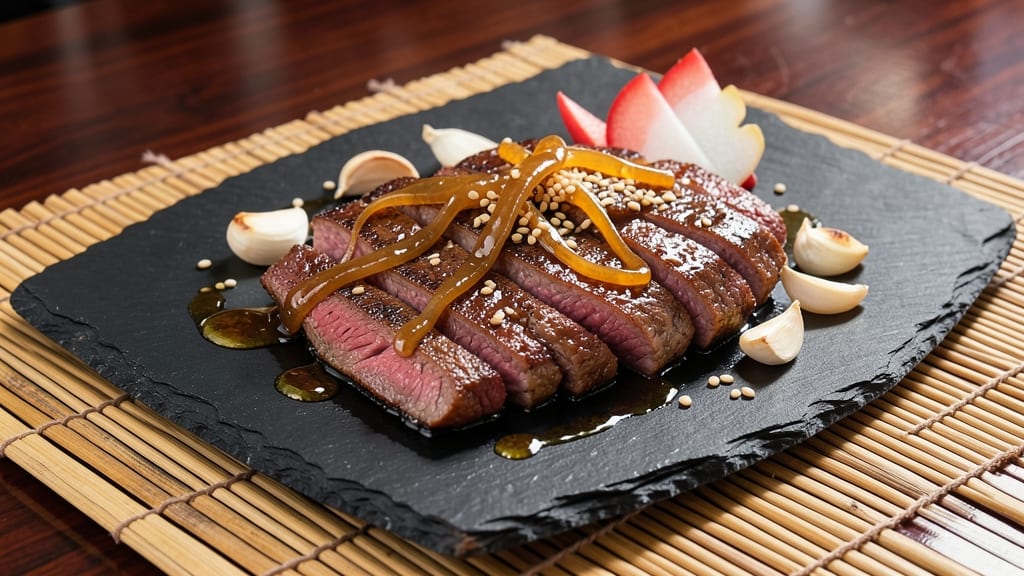
This Asian beef strips recipe delivers restaurant-quality wok-seared strips with a silky soy glaze that balances sweet, salty, and umami flavors. 🌟 The secret lies in thinly sliced beef marinated just long enough to tenderize without overpowering its natural richness, then seared in a hot wok for that signature caramelized crust.
What sets this dish apart is the dual-texture technique: crispy edges from high-heat searing meet tender, juicy centers thanks to proper slicing and marinating. I've tested this recipe with flank steak, sirloin, and even budget-friendly chuck—each delivers restaurant-quality results when prepared correctly.
The silky glaze cuts through the richness while enhancing the beef's natural depth.
Serve these beef strips over steamed jasmine rice, nestled in noodles, or paired with stir-fried vegetables for a complete meal. The glaze thickens as it cooks, creating a sticky, flavorful sauce that clings to every bite. Whether you're recreating Japanese teriyaki, Thai satay, or Korean-inspired flavors, this method adapts effortlessly.
Ready in under 30 minutes, this recipe is perfect for weeknight dinners or meal prep. The marinade can be made ahead, and the beef cooks quickly—ideal for busy schedules without sacrificing flavor. Let's get started on creating beef strips that taste like they came from your favorite Asian eatery.
Ingredients for asian beef strips
Restaurant-quality Asian beef strips require precise ingredients for that signature wok-seared crunch and silky glaze.
| Ingredient | Amount | Notes |
|---|---|---|
| Flank Steak 🥩 | 1 lb | Thinly sliced against grain |
| Soy Sauce 🥄 | ½ cup | High-quality, reduced if possible |
| Honey 🍯 | 2 tbsp | Pure, unprocessed preferred |
| Sesame Oil 🫒 | 1 tbsp | Toasted, not flavored |
| Garlic Cloves 🧄 | 4 cloves | Minced, fresh preferred |
| Fresh Ginger 🌿 | 1 tbsp | Grated, peeled |
| Rice Vinegar 🍶 | 1 tbsp | White or seasoned |
| Vegetable Oil 🫒 | 2 tbsp | High smoke point |
| Green Onions 🧅 | 3 whole | Thinly sliced, white and green parts |
| Sesame Seeds 🌾 | 1 tbsp | Toasted for garnish |
| Diamond Crystal Kosher Salt 🧂 | 1 tsp | For seasoning |
| Ground Black Pepper 🌶️ | ½ tsp | Freshly cracked |
| Jasmine Rice 🍚 | 1 ½ cups | Uncooked, long-grain |
The beef is non-negotiable—flank steak delivers the perfect texture when sliced thinly against the grain. Look for cuts with good marbling at Whole Foods or your local butcher; avoid pre-sliced packages that often contain connective tissue. If flank steak isn't available, sirloin or chuck work well, though chuck benefits from a longer marinade. For the soy sauce, Kikkoman or Lee Kum Kee are reliable choices, but any high-quality brand will do. The honey should be pure—Manuka or clover—as processed varieties can add unwanted flavors. Toasted sesame oil adds depth; La Choy or Kadoya are excellent options, but avoid the flavored versions that contain additives.
No sesame oil? Avocado oil works in a pinch, though it lacks the nutty aroma. Substitute honey with maple syrup or agave nectar for a similar viscosity, though the flavor profile shifts slightly. Fresh ginger is ideal, but powdered ginger at half the amount suffices if you're in a hurry. The rice vinegar can be swapped for apple cider vinegar for a tangier profile. For extra umami, add 1 tsp fish sauce (ensure it's vegan if needed), though traditional recipes omit it entirely. The green onions add brightness—use scallions if that's what you have, but the white parts are where the flavor lives, so don't skip them.
The beef marinates best in the fridge for at least 30 minutes, but up to 4 hours for deeper flavor. Store prepped ingredients in airtight containers: marinade for 3 days, cooked beef for 2 days, and glaze for 1 week. Freeze the glaze for up to 3 months by pouring it into ice cube trays for easy portioning. For meal prep, cook the beef and store it separately from the glaze—reheat the sauce first, then toss the beef in to avoid drying. The jasmine rice keeps well for 3 days in the fridge, making this a perfect make-ahead dish for busy weeknights.
Why You'll Love This Recipe
- I swear by this combo: the salty-sweet punch of soy and honey cuts through the rich beef while the garlic cloves sizzle into oblivion. That crispy edge on the strips? Pure satisfaction—no fancy marinating required.
- Two-Ingredient Magic: I swear by this combo: the salty-sweet punch of soy and honey cuts through the rich beef while the garlic cloves sizzle into oblivion. That crispy edge on the strips? Pure satisfaction—no fancy marinating required.
- Weeknight Warrior: Honestly, this is my go-to when I’m staring at the fridge at 7:30 PM wondering what to feed everyone. Flank steak slices fast, the sauce comes together in minutes, and it’s ready before the kids start asking “are we eating yet?”
- Leftover Goldmine: Between us, I make double batches on purpose. The strips reheat beautifully—toss them in a stir-fry, wrap in tortillas, or just eat cold with rice. That sesame oil finish makes even day-old beef taste like it was just cooked.
Step-by-step instructions for wok-seared Asian beef strips
Master this technique for restaurant-quality beef strips with irresistible caramelized edges and silky glaze.
🔪 Step 1: Prep the Flank Steak for Maximum Texture
Remove the 1 lb flank steak from the refrigerator and let it sit at room temperature for 20-30 minutes. This ensures even cooking. While it rests, slice it thinly against the grain into ¼-inch thick strips—this creates tender, bite-sized pieces that cook quickly and evenly.
Place the sliced steak in a bowl and season generously with 1 tsp Diamond Crystal Kosher Salt and 0.5 tsp Ground Black Pepper. Use your hands to massage the seasoning into every strip, ensuring complete coverage. Let it marinate for 15 minutes while you prepare the remaining ingredients. This step develops deep flavor and prevents the beef from curling during cooking.
🍳 Step 2: Build the Umami-Packed Glaze
In a small bowl, whisk together 0.5 cup Soy Sauce, 2 tbsp Honey, 1 tbsp Rice Vinegar, 1 tbsp Sesame Oil, 1 tbsp Fresh Ginger, and 4 cloves Garlic Cloves (minced). The mixture should be smooth and glossy. Taste and adjust seasoning—you want a perfect balance of salty, sweet, and tangy.
Set the glaze aside while you heat your wok or large skillet over high heat until it's screaming hot. Add 2 tbsp Vegetable Oil and let it shimmer for 30 seconds. The oil should be hot enough to sizzle when the beef hits it—this creates that signature wok-seared crust. Here's the thing—if your pan isn't hot enough, you'll end up with steamed beef instead of caramelized perfection.
🔥 Step 3: Wok-Sear the Beef to Irresistible Crunch
Working in batches to avoid overcrowding, add half the beef strips to the hot wok. Stir-fry vigorously for 1-2 minutes until the edges turn deep golden brown and the beef is 75% cooked through. The key is constant motion—keep those strips moving so they develop that beautiful caramelized crust without overcooking.
Transfer the cooked beef to a plate and repeat with the remaining strips. Don't walk away—beef cooks fast at this temperature. If the beef releases easily from the pan and has those crispy edges, it's ready. If it sticks, your pan wasn't hot enough—next time, let it heat longer before adding oil.
🥘 Step 4: Finish with the Glaze and Garnish
Return all the beef to the wok and pour in the prepared glaze. Toss everything together for 1-2 minutes until the beef is fully coated and the glaze has thickened slightly. The residual heat from the wok will help the sauce cling beautifully to each strip. If the glaze seems too thin, let it reduce for an extra 30 seconds—it should coat the back of a spoon.
Stir in the 3 whole Green Onions (thinly sliced) and remove from heat. Sprinkle with 1 tbsp toasted Sesame Seeds for that final crunchy texture contrast. Serve immediately over 1.5 cups cooked Jasmine Rice—the steaming rice helps balance the rich, caramelized flavors of the beef strips.
Pro Tips For Making Asian Beef Strips
- Slice Against the Grain: Flank steak’s stubborn fibers mean the difference between chewy and melt-in-your-mouth strips. Cut the meat perpendicular to the grain—even if it means rotating the knife awkwardly—so each bite has a clean texture. (Yes, it’ll look like you’re carving a chicken breast, but that’s the point.)
- Marinate Overnight, Not Just Hours: I used to toss the beef in sauce for 30 minutes and wonder why it tasted flat. Flank steak needs at least 8 hours in the fridge for the soy and honey to penetrate. Add a splash of rice vinegar to the marinade—it tenderizes better than you’d expect.
- High Heat, Then Walk Away: Don’t babysit the pan. Sear the strips on screaming-high heat for 30 seconds per side until deeply browned, then immediately lower the heat and let them cook through in the residual heat. Crowding the pan steams the meat instead of caramelizing it—steer clear of that.
- Finish with Toasted Garlic: Skip the minced garlic in the marinade—it burns easily and muddies flavors. Instead, smash whole garlic cloves, sear them in the empty pan until golden, then crush them into the finished strips. The nutty aroma cuts through the sweetness and adds depth. (Your nose will thank you.)
Perfect pairings for this dish
Rice Pairings
Serve these beef strips over steamed jasmine rice for the perfect balance of textures and flavors. The fragrant, slightly sticky rice absorbs the silky glaze beautifully, creating each bite's harmony. For extra depth, use day-old rice—it's drier and holds up better to the rich sauce. 🍚
For a heartier option, try brown rice or forbidden black rice—both add nutty undertones that complement the umami glaze. If you're short on time, microwaveable basmati rice works in a pinch, though freshly steamed rice always tastes best.
I like to cook my rice with a pinch of salt and a splash of rice vinegar to enhance its natural flavor.
Noodle Pairings
Transform this dish into a noodle bowl by serving over udon noodles or rice noodles. The chewy texture of udon contrasts wonderfully with the tender beef, while rice noodles soak up the glaze like a dream.
For an authentic touch, toss the cooked noodles with a little sesame oil before adding the beef strips. 🍜
Try egg noodles for a Western-Asian fusion twist—they hold up well to the sauce and add a satisfying bite. If you're using fresh noodles, cook them just until al dente so they don't turn mushy when mixed with the hot beef.
I often double the glaze recipe when serving over noodles to ensure every bite is flavorful.
Vegetable Sides
Add fresh, crisp vegetables to cut through the richness of the beef. Stir-fried bok choy or shredded cabbage with a sprinkle of sesame seeds adds a peppery crunch. For a sweeter contrast, try steamed snap peas or carrots—their natural sweetness pairs beautifully with the salty-sweet glaze. 🥬
Roasted broccoli or asparagus with a drizzle of toasted sesame oil brings out their natural flavors while adding a smoky depth. If you prefer something warmer, steamed edamame with a pinch of salt is a protein-packed side that complements the beef perfectly.
I love arranging these veggies on the plate in a visually appealing way to make the dish even more inviting.
Sauce Variations
Customize the glaze to suit your taste. For a spicier kick, add 1 tsp gochujang or ½ tsp red pepper flakes to the sauce. If you prefer a sweeter profile, increase the honey to 3 tbsp and add a splash of orange juice for brightness.
For a tangier twist, swap rice vinegar for lime juice and add a pinch of sugar to balance the acidity. 🌶️
For a nutty depth, stir in 1 tsp peanut butter or almond butter into the glaze while it's warm—it sounds unusual, but it adds a creamy richness that works surprisingly well.
If you're feeling adventurous, try a miso glaze by replacing half the soy sauce with 1 tbsp white miso paste for an extra umami punch. Always taste as you go to adjust seasoning to your liking.
Nutrition facts
Frequently asked questions
Can I use other cuts of beef besides flank steak?
Sirloin works beautifully—it's leaner but still tender when sliced thinly. For budget-friendly options, try chuck roast, which benefits from a longer 4-hour marinade to break down its connective tissue. Avoid tougher cuts like round steak unless you're willing to slow-cook them first. Always slice against the grain for maximum tenderness.
How do I prevent the beef from sticking to the pan?
Heat your wok or skillet over high heat until it's screaming hot before adding oil—this creates a non-stick surface. Use high-smoke-point oil like vegetable or avocado oil, and avoid overcrowding the pan. If the beef starts sticking, your pan isn't hot enough—let it heat longer before adding oil. A well-seasoned cast-iron pan helps too!
Can I make this recipe ahead of time?
Yes! Marinate the beef for up to 4 hours ahead and store it in the fridge. For the glaze, make it 1 week ahead and store in an airtight container. Cook the beef fresh, then reheat the glaze separately before tossing with the beef—this prevents sogginess. The rice should be cooked fresh or reheated with a splash of water to restore its texture.
What's the best way to cook the beef if I don't have a wok?
A heavy-bottomed skillet or griddle works perfectly! Heat it over medium-high heat until hot, then cook the beef in batches just like you would in a wok. For extra crispiness, finish under a broiler for 1-2 minutes while watching closely to avoid burning. A cast-iron skillet holds heat well and mimics wok searing beautifully.
How can I make the glaze thicker or thinner?
For a thicker glaze, simmer it uncovered for 2-3 minutes until it reduces slightly. To thin it, add 1 tsp water or rice vinegar at a time while stirring. If using honey substitutes like maple syrup, expect the glaze to thicken faster—adjust heat accordingly. The perfect consistency coats the back of a spoon without being gluey.