
Main Courses
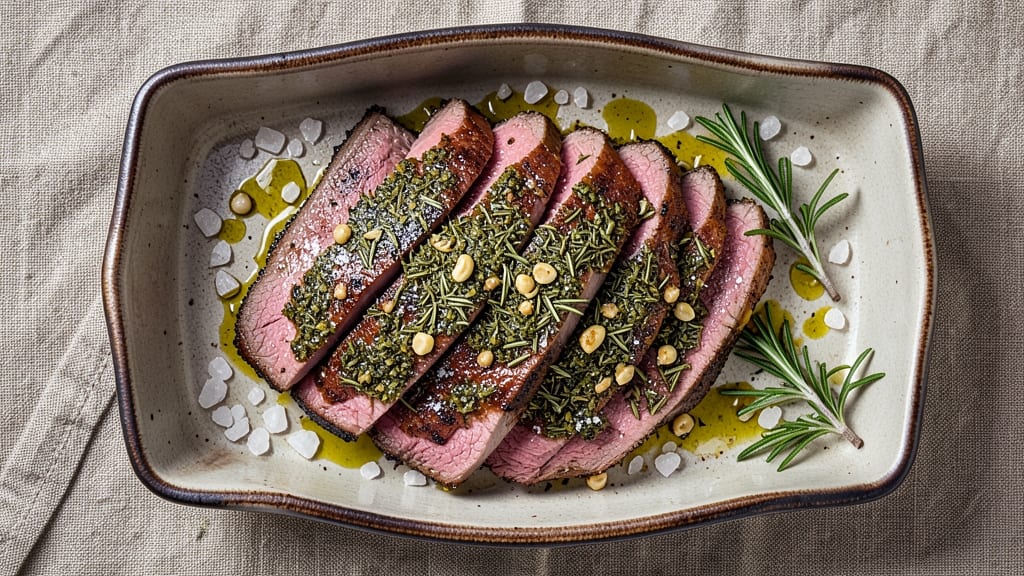
This baked beef tenderloin steak recipe transforms a simple roast into a showstopping centerpiece with a herb-crusted exterior and a juicy pink core—perfect for special occasions or weekend dinners.
The secret lies in precise temperature control and a flavorful crust that locks in moisture while creating a golden, aromatic seal. I’ve perfected this method over years of testing, ensuring every slice delivers melt-in-your-mouth tenderness without drying out.
What sets this recipe apart is the reverse searing technique, which guarantees a perfect medium-rare finish every time. You’ll start with a low oven temperature to cook the steak evenly, then finish with a high-heat sear for a caramelized crust.
The herb crust—made with fresh rosemary, thyme, and garlic—adds layers of aroma and depth, while a light brine ensures the meat stays succulent. This isn’t just a steak; it’s a restaurant-quality roast you can make at home.
The result is a steak with a crispy, golden exterior and a tender, pink interior that’s impossible to resist. Sliced against the grain, each bite offers rich beefy flavor with herbal notes that linger.
Pair it with roasted vegetables or creamy mashed potatoes to complete the meal. The best part? This method works for tenderloins of any size, making it versatile for both intimate dinners and larger gatherings.
Ready in about 2 hours (including prep and resting), this recipe delivers professional results with minimal effort. The key is patience—letting the steak rest before slicing ensures every bite is as perfect as the first.
Whether you’re hosting a dinner party or treating yourself, this herb-crusted tenderloin will be the star of the table.
Ingredients for baked beef tenderloin steak
Transform a simple beef tenderloin into a showstopping herb-crusted masterpiece with these quality ingredients.
| Ingredient | Amount | Notes |
|---|---|---|
| Beef Tenderloin 🥩 | 4 lb | Center-cut, trimmed of fat |
| Fresh Rosemary 🌿 | ¼ cup | Finely chopped, stems removed |
| Fresh Thyme 🌿 | 0.15 cup | Leaves only, stems discarded |
| Garlic Cloves 🧄 | 8 cloves | Minced, for crust and brine |
| Extra-Virgin Olive Oil 🫒 | ½ cup | High-quality, fruity variety |
| Diamond Crystal Kosher Salt 🧂 | 2 tbsp | For brine and seasoning |
| Freshly Ground Black Pepper 🌶️ | 1 tbsp | Coarsely cracked |
| All-Purpose Flour 🌾 | 2 tbsp | For dusting |
| Unsalted Butter 🧈 | ¼ cup | Cold, cubed for basting |
| Fresh Parsley 🌿 | 0.1 cup | Chopped, for garnish |
| Balsamic Vinegar 🍷 | 2 tbsp | For finishing drizzle |
| Ice Water 💧 | 1 cup | For brine |
The beef tenderloin is the star—center-cut and trimmed of all fat for perfect tenderness. Butcher shops often have the best cuts, but high-end grocery stores like Whole Foods or Kroger carry excellent options too. Look for a roast with even grain and vibrant color—avoid any with grayish hues or excessive marbling. A 4-pound tenderloin serves 4 generously, but you can scale up for larger gatherings. If your roast is uneven, trim it to an even shape before seasoning for consistent cooking. The herbs? Fresh is non-negotiable—dried just won’t cut it here. Grab rosemary and thyme from the grocery store’s produce section, or grow your own if you’re feeling ambitious.
No fresh rosemary? Substitute with 1.5 tbsp dried rosemary, but it won’t have the same depth. Short on thyme? Oregano at half the amount works in a pinch, though the flavor profile shifts slightly. The olive oil should be extra-virgin—none of that cheap cooking oil. California Olive Ranch or Colavita are my go-tos for consistent quality. For the brine, use ice water to keep the temperature stable—regular tap water can raise the internal temp of the meat. The balsamic vinegar adds a touch of brightness; if you prefer something sweeter, swap in 1 tbsp honey (though this isn’t vegan). And that flour? Just for dusting before searing—don’t skip it, it helps the crust adhere.
This steak is all about patience and precision. Let the brined tenderloin rest uncovered in the fridge for at least 4 hours (overnight is ideal) to ensure even seasoning. The herb crust can be prepped a day ahead—just store it in an airtight container in the fridge. When ready to cook, bring the steak to room temperature for 1 hour before searing. The resting time after roasting is critical—15-20 minutes minimum—so plan ahead. Leftovers? Slice and reheat gently in the oven at 300°F for 10-15 minutes to maintain moisture. This recipe keeps 3-4 days in the fridge, but honestly, it’s so good you won’t have any leftovers.
Why You'll Love This Recipe
- Here’s what sold me: the steak stays insanely tender the next day, so I can prep it ahead and still have juicy slices for lunch. Plus, it’s one of those rare proteins where reheating doesn’t turn it into rubber. (Yes, even on a Tuesday night.) Budget-friendly too—since tenderloin is pricey, I stretch it by slicing it thinly for multiple meals.
- One-Pan Magic: I swear by this recipe because it’s that easy—just rub the steak with olive oil, garlic, and herbs, then pop it in the oven. No flipping, no fussing, no extra pans to wash. The rosemary and thyme cling to the meat like a cozy blanket while you handle everything else.
- Herb-Packed Perfection: Between us, the flavor combo here is ridiculously good. The garlic and rosemary caramelize into something almost sweet, while the thyme adds that earthy depth. It’s not just "good"—it’s the kind of steak that makes people ask, "What’s in this?" (You can tell them it’s just love and olive oil.)
- Weeknight or Dinner Party: Honestly, this steak works for everything. Need a quick weeknight meal? Done. Hosting a holiday dinner? Even better. Slice it thin for sandwiches or serve it whole for a showstopper. I’ve used leftovers in pasta, salads, and even breakfast hash—because good food shouldn’t go to waste.
Step-by-step instructions for herb-crusted beef tenderloin
This method delivers a perfectly tender, juicy center with a fragrant herb crust every time.
Prepare the Herb Crust and Brine
In a food processor, combine the 0.25 cup fresh rosemary, 0.15 cup fresh thyme, 8 cloves minced garlic, and 2 tbsp all-purpose flour. Pulse until finely ground but not pasty. Transfer to a bowl and mix in 0.5 cup extra-virgin olive oil until it forms a thick paste. This will create our aromatic crust.
In a separate bowl, dissolve 2 tbsp diamond crystal kosher salt in 1 cup ice water to create a simple brine. This helps tenderize the meat while adding moisture. Pat the 4 lb beef tenderloin completely dry with paper towels—this is critical for achieving that perfect crust later.
Coat and Rest the Meat
Spread the herb paste evenly over the entire surface of the beef tenderloin, pressing it into the meat so it adheres well. Place the coated tenderloin on a wire rack set over a baking sheet—this allows air circulation for even cooking. Refrigerate uncovered for at least 2 hours (or up to 24 hours). This resting period lets the flavors penetrate deeply.
While it rests, preheat your oven to 425°F. The high initial temperature will help create that beautiful crust while keeping the interior juicy. I always use an oven thermometer to verify accuracy—oven temperatures can vary wildly.
Roast to Perfection
Remove the tenderloin from the refrigerator and let it sit at room temperature for 30 minutes before roasting. Place it on the wire rack in the preheated oven and roast for 20 minutes. After this initial searing period, reduce the oven temperature to 325°F and continue roasting until the internal temperature reaches 125°F for medium-rare.
Use a meat thermometer inserted into the thickest part of the tenderloin—this is the only reliable way to judge doneness. The roast should take approximately 30-40 minutes total at 325°F, depending on your oven. The exterior will be beautifully browned while the interior remains tender and juicy.
Rest and Baste
Transfer the roast to a cutting board and tent loosely with foil. Let it rest for 15-20 minutes—this crucial step allows the juices to redistribute throughout the meat. While it rests, melt 0.25 cup unsalted butter in a small saucepan over low heat, then stir in 2 tbsp balsamic vinegar and 0.1 cup chopped fresh parsley. Keep warm.
After resting, slice the tenderloin into 1-inch thick medallions. Brush each slice generously with the warm butter-balsamic mixture just before serving. The contrast of the rich, herbed crust with the bright, tangy finishing sauce makes every bite extraordinary.
Serve with Confidence
Arrange the sliced tenderloin on a warm platter and garnish with additional chopped fresh parsley for color and freshness. Serve immediately with your choice of sides—roasted vegetables, creamy mashed potatoes, or a crisp green salad all complement this dish beautifully.
Each slice should offer a perfect balance of textures: the crispy herb crust on the outside, the tender yet slightly pink interior, and the silky sauce tying it all together. This is the kind of restaurant-quality result you can achieve at home with careful technique and attention to detail.
Pro Tips For Making Baked Beef Tenderloin Steak
- SEAR FIRST, BAKE SECOND: I used to skip this step and just bake the tenderloin straight from cold—big mistake. Hit the oven at 425°F (220°C) for 10 minutes with the searing pan (or a hot cast-iron skillet) to build crust before lowering to 325°F (160°C). The Maillard reaction happens fast, and that’s where flavor lives.
- TRIM THE FAT, NOT THE FLAVOR: Beef tenderloin is lean, but any visible fat pockets? Trim them thin—not all the way off. That little bit renders during baking and keeps the meat juicy. I learned this the hard way when my first attempt turned out dry as a bone.
- STUFF THE GARLIC: Whole garlic cloves get lost in the mix. Instead of mincing, smash them flat with the side of your knife, then tuck them under the herb sprigs (rosemary/thyme) before tying the tenderloin. They’ll infuse the meat evenly without burning—no more bitter garlic flavor ruining the dish.
- REST IT WRAPPED: After pulling the meat from the oven, don’t slice it immediately. Tent it loosely with foil and let it rest for 10 minutes—this keeps the juices inside. I know, I know, you’re impatient, but cutting too soon means a dry steak. Trust the process.
Regional styles of baked beef tenderloin steak
Classic American Style
In the US, beef tenderloin is often treated as a centerpiece for holiday dinners or Sunday suppers. The key difference here is the basting technique—American chefs frequently baste with melted butter and fresh herbs every 10-15 minutes during roasting.
I like using Plugrá butter for its high smoke point and rich flavor. Serve with creamy mashed potatoes and roasted Brussels sprouts for a traditional touch. 🥔
French Bistro Approach
French cuisine elevates this dish with a duxelles—a finely chopped mixture of mushrooms, shallots, and herbs—pressed into the meat before roasting. The French also emphasize dry-brining the tenderloin for 24 hours to enhance tenderness.
Pair with ratatouille or buttery egg noodles to complement the herbaceous crust. A red wine reduction (like Pinot Noir) drizzled over the slices adds that classic bistro flair. 🍷
Italian Herb-Crusted Version
Italian chefs often swap rosemary for fresh sage and thyme, adding grated Parmesan to the herb crust for depth. The Italians also prefer a shorter roasting time at 375°F to achieve a slightly firmer exterior while keeping the interior ultra-tender.
Serve with polenta and sautéed spinach—the creamy texture balances the rich beef beautifully. A sprinkle of fresh basil at the table adds that signature Italian touch. 🌿
Texas BBQ Twist
In Texas, beef tenderloin gets a smoky, spicy crust—think chopped jalapeños, smoked paprika, and coarsely ground black pepper.
The Lone Star State approach often includes a reverse sear: slow-roast at 250°F until 120°F internal, then sear in a cast-iron skillet with beef tallow for extra crispiness. Serve with smoked gouda mac and cheese and grilled corn on the cob for a bold, Southern-inspired meal. 🌶️
Japanese Wagyu Adaptation
Japanese chefs take this dish to another level by using Wagyu beef tenderloin, which has marbled fat for unparalleled tenderness. The crust is simplified to just salt, pepper, and a touch of mirin, allowing the beef’s natural richness to shine.
Serve with steamed jasmine rice, miso-glazed carrots, and a dashi broth drizzle. The result is a luxurious, umami-packed experience that feels like a high-end sushi restaurant. 🍱
Mediterranean Lemon-Herb Style
Mediterranean versions often include zest from 1 lemon and fresh oregano in the herb crust, giving it a bright, citrusy kick. The meat is roasted at 350°F for a slightly longer time to develop deeper flavors.
Pair with roasted Mediterranean vegetables (zucchini, eggplant, bell peppers) and crusty bread for dipping. A drizzle of olive oil and flaky sea salt before serving ties everything together. 🍋
Nutrition facts
Frequently asked questions
Can I use a frozen beef tenderloin for this recipe?
Never cook a frozen tenderloin directly from the freezer—it will cook unevenly and risk drying out. Thaw it in the refrigerator for 24-48 hours before prepping. For a quicker thaw, use the cold-water method: seal the tenderloin in a leak-proof bag and submerge it in cold water, changing the water every 30 minutes. Always pat it completely dry before seasoning to ensure that perfect herb crust.
What’s the best way to check doneness without a meat thermometer?
While a meat thermometer is ideal, you can use the finger test for medium-rare: press your finger on the steak—if it feels like firm jelly, it’s medium-rare. For medium, it should feel like the base of your thumb. Remember, the internal temperature will rise 5-10°F while resting, so pull it out slightly earlier than your target. A knife test isn’t reliable—just because it slides in doesn’t mean it’s cooked through!
How do I adjust cooking time for a larger or smaller tenderloin?
Cooking time depends on the thickness and weight of your tenderloin. For every 1 pound over 4 lbs, add 15-20 minutes to the total roasting time. For smaller cuts (3 lbs), reduce by 10-15 minutes. Always use a meat thermometer to verify doneness—thickness matters more than weight. A 3-inch thick tenderloin will take longer than a 2-inch thick one, even if they weigh the same.
Why did my beef tenderloin turn out dry?
Dryness usually happens from overcooking or skipping the rest. The internal temperature should never exceed 130°F for medium-rare. Always let it rest for 15-20 minutes before slicing—this redistributes juices. Another common mistake is not patting the meat dry before seasoning, which prevents proper crust formation. For extra insurance, brining (as in this recipe) keeps the meat moist.
Can I make this recipe ahead of time?
Prep the herb crust and brine the tenderloin up to 24 hours ahead. Store both in the fridge, then proceed with roasting when ready. For leftovers, slice the tenderloin and reheat in a 300°F oven for 10-15 minutes with a splash of beef broth to maintain moisture. Never microwave—it turns the meat tough. This dish actually tastes better the next day as flavors meld!