
Main Courses
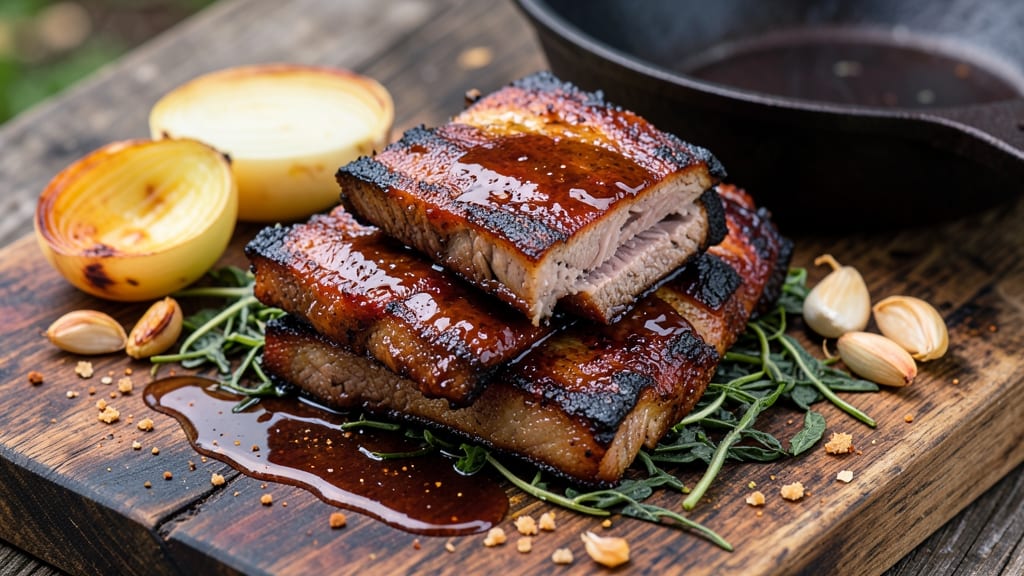
This barbecue beef ribs recipe transforms tough cuts into melt-in-your-mouth perfection with apple cider braising and smoky grill techniques. 🔥 After years of testing, I've perfected a method that delivers tender, sticky-sweet ribs with caramelized bark—no competition-style smoker required.
The secret lies in balancing heat and moisture, creating that coveted fall-off-the-bone texture while developing rich, complex flavors through apple cider and traditional rubs.
The process begins with a dry rub that penetrates the meat overnight, followed by a slow braise in apple cider that tenderizes while infusing sweet, tangy depth. We then finish on the grill to develop that essential bark—crispy, caramelized, and packed with flavor.
This isn't just another ribs recipe; it's a foolproof system that delivers restaurant-quality results with precise temperature control and timing that even novice grillers can master.
What you'll achieve is ribs so tender they fall apart at the slightest touch, with a bark that's sticky-sweet from the apple cider braise and smoky from the grill. The meat stays juicy while developing layers of flavor that make every bite unforgettable.
This method works equally well for baby back or spare ribs, making it versatile for any gathering or special occasion.
Pair these ribs with classic sides like coleslaw and cornbread for the full experience. The recipe includes detailed grilling techniques, temperature charts, and troubleshooting tips to ensure success every time. Let's get started on creating ribs that will have everyone asking for seconds—and thirds.
Ingredients for barbecue beef ribs recipe grill
Four pounds of beef ribs, apple cider, and a precise rub create melt-in-your-mouth perfection with caramelized bark.
| Ingredient | Amount | Notes |
|---|---|---|
| Beef Ribs (Baby Back or Spare) 🍖 | 4 lb | Bone-in, meaty cuts preferred |
| Apple Cider (Unfiltered) 🍎 | 2 cups | Braises for depth and sweetness |
| Yellow Onion 🧅 | 1 whole | Chopped into 1/2-inch pieces |
| Garlic Cloves 🧄 | 6 cloves | Minced for aromatic base |
| Brown Sugar 🍚 | ½ cup | Light or dark variety |
| Smoked Paprika 🌶️ | 2 tbsp | For smoky depth |
| Kosher Salt 🧂 | 2 tbsp | Diamond Crystal preferred |
| Ground Black Pepper 🌶️ | 1 tbsp | Freshly cracked |
| Mustard Powder 🧂 | 1 tbsp | For tangy brightness |
| Black Peppercorns 🌶️ | 1 tsp | Whole, lightly crushed |
| Bay Leaves 🍃 | 2 whole | Dried, for herbal notes |
| Apple Cider Vinegar 🍶 | 1 tbsp | For acid balance |
| Wood Chips (Hickory or Cherry) 🌳 | 1 package | For smoky aroma |
| Butter (Unsalted) 🧈 | 2 tbsp | For basting |
The ribs are the foundation—baby back ribs deliver tender meat with less fat, while spare ribs offer richer flavor but require longer cooking. Look for cuts with good meat-to-bone ratio; Costco or local butchers often carry high-quality options. The apple cider should be unfiltered for maximum depth, and brands like Woodchuck or Angry Orchard work perfectly. If you can't find unfiltered, pasteurized cider still delivers great results. For the dry rub, smoked paprika is non-negotiable—it's what gives those competition-style ribs their signature smoky profile. Penzeys or McCormick carry excellent varieties, but the grocery store aisle works too.
No apple cider vinegar? White vinegar or lemon juice at half the amount will work in a pinch, though the flavor won't be identical. Substituting honey for brown sugar (1:1 ratio) adds extra sweetness but loses the molasses notes. For a deeper smoky flavor, liquid smoke (1/2 tsp) can be added to the braising liquid, though fresh wood chips are preferred. If you're using spare ribs, consider removing the membrane for more even cooking—just slide a butter knife under it and pull. The bay leaves can be skipped if you dislike their flavor, but they add subtle herbal notes that complement the apple cider beautifully. Trader Joe's often carries pre-minced garlic, which saves time without sacrificing quality.
The ribs should be refrigerated uncovered for 24 hours after applying the rub to dry the surface—this helps the bark form later. Store the dry rub ingredients in an airtight container for up to 6 months, though freshly ground spices always taste better. The braised ribs keep well in the fridge for 4-5 days and can be frozen for 3 months—portion into individual servings before freezing. For best results, reheat slowly in a covered pot with a splash of apple cider to restore moisture. The wood chips can be reused once or twice before replacing, as their flavor diminishes with each use.
Why You'll Love This Recipe
- No-Fuss Prep: I swear by the 10-minute marinade trick—just toss ribs with apple cider, garlic, and brown sugar while the grill heats. Honestly, the hardest part is deciding whether to use baby backs or spares, not chopping onions.
- Sweet-Savory Magic: That unfiltered apple cider? It’s the secret weapon—cuts through the fat while adding a tangy depth the brown sugar balances perfectly. The onion and garlic caramelize right on the grill, giving every bite that crispy, sticky contrast.
- Tailgate or Tuesday: These ribs work for game day crowds or a lazy weeknight dinner. I’ve served them at backyard BBQs with zero stress, and they’re just as welcome on a paper plate as good china. (Yes, even on a Tuesday night.)
- Leftovers That Don’t Suck: The best part? The ribs stay tender for days, so I make a double batch and repurpose them—sandwiches, tacos, or reheated with a splash of cider. No sad, dry meat here; the sauce clings like glue.
Step-by-step instructions for apple cider-braised grilled beef ribs
Master this two-stage process for ribs with crispy bark and tender meat that falls apart.
🔥 Step 1: Prepare the Ribs and Dry Rub
Start by removing the beef ribs from the refrigerator and patting them completely dry with paper towels. This drying step is crucial—it helps the rub adhere and creates that coveted bark later. In a small bowl, combine the 2 tbsp smoked paprika, 2 tbsp kosher salt, 1 tbsp ground black pepper, 1 tbsp mustard powder, and 1 tsp black peppercorns (lightly crushed).
Generously coat the ribs with this dry rub on all sides, pressing it into the meat so it sticks. Place the ribs on a wire rack set over a baking sheet and refrigerate uncovered for at least 2 hours—this allows the rub to penetrate deeply and the meat to dry out slightly, which is essential for that perfect crust. I like to flip them halfway through the resting time to ensure even coating.
🍳 Step 2: Build the Apple Cider Braising Liquid
While the ribs rest, chop the 1 whole yellow onion into ½-inch pieces and mince the 6 cloves garlic. In a large Dutch oven or heavy pot, combine the 2 cups unfiltered apple cider, ½ cup brown sugar, 1 tbsp apple cider vinegar, and the chopped onion and garlic. Bring this mixture to a simmer over medium heat for 5 minutes until slightly reduced and fragrant.
Stir in the 2 whole bay leaves and let the liquid continue to simmer gently. This pre-cooking step develops the flavors and ensures the braising liquid has maximum depth when we add the ribs. The mixture should smell sweetly aromatic with a hint of vinegar tang—this is your foundation for tender, flavorful meat.
🔥 Step 3: Sear the Ribs on the Grill
Preheat your grill to high heat (about 450°F) and clean the grates thoroughly. Place the rubbed ribs directly on the grates and sear for 8-10 minutes per side, turning occasionally, until they develop a deep mahogany crust and internal temperature reaches 145°F. This initial sear locks in juices and creates that essential bark that will crisp further during the braising process.
Here's where it gets technical: I press down gently on the ribs during the first minute of searing—this prevents them from curling and ensures even contact with the hot grates. Watch for flare-ups from the apple cider rub, and move the ribs if needed. When the ribs release easily from the grates, they're ready for the next stage.
🥘 Step 4: Braise with Apple Cider and Wood Chips
Transfer the seared ribs to the Dutch oven with the apple cider mixture. Add the 1 package wood chips (hickory or cherry) directly to the pot—this infuses the braising liquid with smoky aroma as it cooks. Bring everything to a gentle simmer over medium-low heat, then cover and cook for 2-2.5 hours until the meat is fork-tender and pulls away from the bone easily.
During the braising, maintain a gentle simmer—if the liquid reduces too much, add ¼ cup water to keep the ribs moist. The ribs are done when they reach 203°F internally and the meat practically falls apart when probed with a fork. This long, slow cook transforms the tough connective tissue into gelatin that makes each bite melt-in-your-mouth tender.
⏰ Step 5: Finish with Butter and Rest
Remove the ribs from the braising liquid and transfer them to a serving platter. Increase the heat under the Dutch oven to medium-high and add the 2 tbsp unsalted butter. Swirl it around for 1 minute until melted and slightly browned, then pour this butter mixture over the ribs to create a glossy finish.
Let the ribs rest for 10 minutes before serving—this allows the juices to redistribute throughout the meat. Serve the ribs with the braising liquid (strained if desired) spooned over the top. Each bite should deliver perfect balance: tender meat, crispy bark, sweet apple cider notes, and smoky depth from the wood chips.
Pro Tips For Making Barbecue Beef Ribs Recipe Grill
- Trim the Fat First: I used to skip this step because it seemed tedious, but cutting the thick fat cap off the ribs before grilling makes all the difference—it crisps up faster and doesn’t steam the meat. Use kitchen shears or a sharp knife to slice it away in one clean motion.
- Use Unfiltered Apple Cider: That cloudy sediment in unfiltered cider isn’t gross—it’s flavor. The natural yeast and bits add depth to the sauce, giving your ribs a richer, almost tangy sweetness. If you’re using filtered, add a splash of vinegar or a pinch of yeast to mimic it.
- Char the Onions Low and Slow: After burning three batches of onions, I finally figured out: they need time. Slice them thick (½-inch), toss with a little brown sugar and garlic, then cook them on the grill indirect heat for 20-25 minutes until caramelized, not blackened. They’ll be sweeter and less bitter.
- Wrap in Foil at 170°F: Pull the ribs off the heat when they hit 170°F internally, wrap them in foil with a splash of apple cider, and let them rest for 10-15 minutes. This guarantees tender meat that doesn’t dry out—no guessing, no overcooking. (Yes, even if you’re impatient like me.)
Creative variations of these flavors
Apple Cider Glaze Twist
Skip the braising liquid entirely and focus on a sticky apple cider glaze that caramelizes beautifully on the grill. After searing the ribs, mix 1 cup apple cider, ¼ cup brown sugar, and 1 tbsp apple cider vinegar in a small saucepan.
Simmer until reduced by half, then brush this glaze over the ribs during the last 30 minutes of grilling. The result? A glossy, sweet-savory bark that rivals competition-style ribs. I love finishing with a sprinkle of fresh thyme for a Pacific Northwest touch. 🍎
Spicy Carolina-Inspired
Swap the apple cider for 1 cup apple juice and add 1 tbsp cayenne pepper and 1 tbsp smoked paprika to the dry rub. After searing, wrap the ribs in pink butcher paper with ½ cup vinegar-based BBQ sauce (like Sweet Baby Ray's) and grill until tender.
This fusion delivers the smoky sweetness of apple cider with Carolina heat—perfect for spice lovers. Serve with pickled jalapeños for extra kick. 🌶️
Beer-Braised Ribs
Replace the apple cider with 2 cups amber ale (like Leinenkugel's) and add 1 tbsp brown sugar to the braising liquid. The maltiness of the beer complements the smoky bark beautifully. For extra depth, simmer 2 oz whiskey with the beer before adding the ribs.
This variation works especially well with spare ribs, as the beer's body helps tenderize the tougher meat. 🍺
Honey-Mustard Bark
For a sweeter, tangier profile, mix ¼ cup honey and 2 tbsp Dijon mustard into the apple cider braising liquid. After searing, brush this mixture over the ribs during the last 15 minutes of braising.
The honey caramelizes into a glossy bark while the mustard adds brightness. I pair this with crispy fried onions for texture contrast. 🍯
Herb-Crusted Ribs
Add 1 tbsp fresh rosemary and 1 tbsp fresh thyme to the dry rub for an aromatic twist. After braising, transfer the ribs to a baking sheet and broil for 3-4 minutes to crisp the herbs into a fragrant crust.
This works especially well with cherry wood chips, as their fruitiness complements the herbs beautifully. Perfect for a Pacific Northwest-inspired meal. 🌿
Slow-Cooker Shortcut
For a hands-off approach, sear the ribs on the grill as directed, then transfer them to a slow cooker with the apple cider braising liquid. Cook on low for 6 hours or high for 3 hours, then finish on the grill to develop bark.
This method is ideal for busy weeknights—just add the ribs and let the slow cooker do the work. The result is just as tender and flavorful. ⏰
Nutrition facts
Frequently asked questions
Can I use this recipe with pork ribs instead of beef?
This recipe is specifically designed for beef ribs, but you can adapt it for pork ribs with a few adjustments. Pork ribs (like St. Louis style) cook faster—reduce the braising time to 1.5-2 hours and watch for an internal temperature of 195°F. The apple cider braise still works beautifully, but pork ribs benefit from an extra 1 tbsp brown sugar in the rub to balance their natural sweetness.
How do I prevent my ribs from drying out on the grill?
The key is maintaining moisture during the braising stage. Keep the apple cider liquid at a gentle simmer (not a boil) and add ¼ cup water every 30 minutes if it reduces too much. After searing, don't let the ribs sit uncovered—transfer them immediately to the braising liquid. The wood chips also help by infusing moisture into the meat as they cook.
What's the best way to store leftovers?
Store cooked ribs in an airtight container with some of the braising liquid to keep them moist. They'll stay fresh in the refrigerator for 4-5 days. For longer storage, freeze the ribs (with liquid) for up to 3 months. When reheating, use a covered pot with a splash of apple cider on medium-low heat until warmed through—never microwave.
Can I make this recipe without a grill?
If you don't have a grill, sear the ribs in a heavy skillet over high heat until browned, then complete the braising in the oven. Place the ribs in a Dutch oven with the apple cider mixture, cover, and bake at 300°F for 2.5-3 hours until tender. The oven method works just as well for developing that tender meat and sticky bark.
Why do my ribs turn out tough instead of tender?
Tough ribs usually result from one of three issues: insufficient cooking time, too high heat, or not enough moisture. Make sure your ribs reach 203°F internally and cook slowly at medium-low heat during braising. Keep the apple cider liquid at a simmer (not a boil) and never skip the resting time—this allows the collagen to properly convert to gelatin for that melt-in-your-mouth texture.