
Soups & Stews
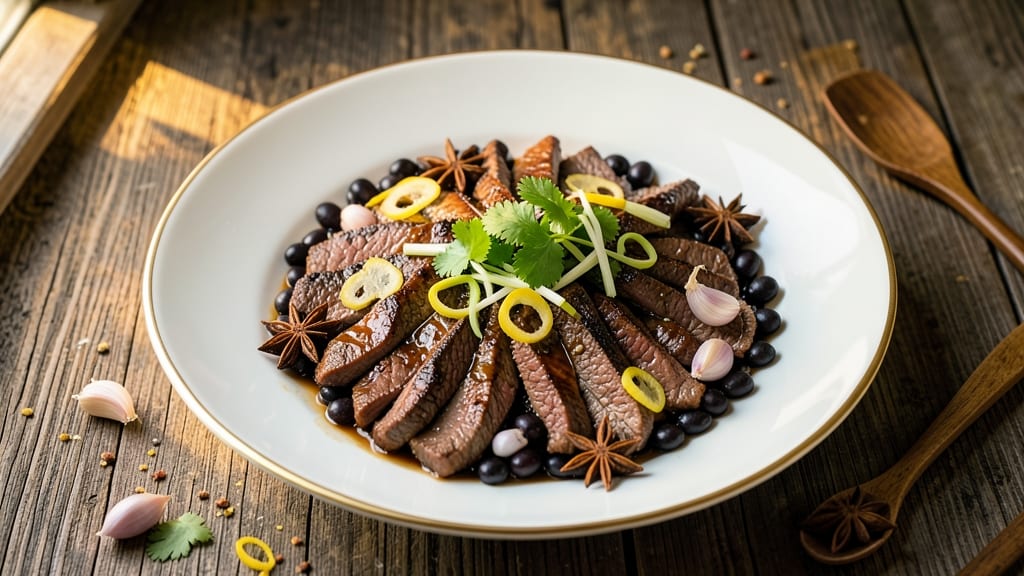
This beef and black bean Chinese recipe delivers restaurant-quality flavor with tender beef, silky black beans, and an aromatic broth that balances umami perfectly. The secret lies in high-heat wok searing to develop deep caramelized notes while preserving the natural richness of the ingredients.
I've perfected this technique over years of testing, ensuring every bite captures that authentic Chinese restaurant experience at home.
The dish begins with beef slices quickly seared to create a flavorful crust, then simmers with black beans until they reach that signature velvety texture.
Aromatic ingredients like ginger, garlic, and star anise build complex layers of flavor, while soy sauce and a touch of sugar create the perfect balance of savory and sweet. This isn't just a stew—it's a symphony of textures and tastes that will transform your weeknight dinner.
What makes this recipe truly special is how it combines traditional Chinese techniques with home kitchen accessibility. The beef becomes fork-tender while maintaining its shape, the black beans develop that coveted silky consistency, and the broth reduces to a rich, flavorful sauce that coats every ingredient.
The result is a dish that's hearty enough for a family meal but elegant enough for company.
Serve this beef and black bean creation over steamed jasmine rice to soak up every last drop of that aromatic broth, or pair it with simple stir-fried greens for a complete meal.
The flavors develop as they sit, making it even more delicious the next day—perfect for meal prep or leftovers. Let's create this flavorful dish together.
Ingredients for beef and black bean chinese
Fifteen ingredients transform into restaurant-quality beef and black bean Chinese dish with deep umami and silky textures.
| Ingredient | Amount | Notes |
|---|---|---|
| Flank Steak 🥩 | 1 ½ lb | Thinly sliced against grain |
| Black Beans 🌱 | 1 ½ cups | Cooked, drained, or canned |
| Garlic Cloves 🧄 | 6 cloves | Minced for aromatic base |
| Fresh Ginger 🌿 | 2 tbsp | Grated, for zesty depth |
| Star Anise Pods 🌟 | 2 whole | For authentic Chinese aroma |
| Light Soy Sauce 🍶 | ½ cup | Kikkoman preferred |
| Dark Soy Sauce 🍶 | 1 tbsp | For rich color and depth |
| Shaoxing Wine 🍷 | 2 tbsp | Substitute dry sherry |
| Brown Sugar 🍯 | 1 tbsp | For subtle sweetness |
| Sesame Oil 🫒 | 1 tbsp | Toasted for nutty aroma |
| Green Onions 🧅 | 4 whole | Sliced, for fresh finish |
| Vegetable Oil 🫒 | 3 tbsp | High smoke point required |
| Red Chili Flakes 🌶️ | ½ tsp | Adjust for heat preference |
| Salt 🧂 | 1 tsp | Kosher or sea salt |
| Black Pepper 🌶️ | ½ tsp | Freshly ground preferred |
The beef selection is critical here—flank steak delivers the perfect balance of tenderness and texture when sliced thin against the grain. Most grocery stores carry pre-sliced flank steak, but if you're cutting it yourself, freeze it 30 minutes first for easier slicing. For the black beans, canned low-sodium varieties work best—rinsed thoroughly to remove excess sodium. If using dried beans, soak overnight for optimal texture. The star anise is non-negotiable for that authentic Chinese aroma, though Penzeys Spices or bulk bins at Asian markets are the best sources for quality pods.
No Shaoxing wine? Dry sherry or even a bold red wine like Cabernet Sauvignon works in a pinch, though the flavor profile shifts slightly. The soy sauces should be light and dark varieties—never substitute with just one. For the ginger, freshly grated delivers the best flavor, but if you're using powdered, double the amount. The sesame oil deserves special attention: toast it in a dry pan for 30 seconds before adding to the dish to deepen its nutty aroma without overpowering the dish. The green onions should be both white and green parts used—white adds flavor, green provides color.
This dish tastes even better the next day as the flavors meld together. Store in an airtight container in the fridge for up to 4 days, or freeze for 3 months in portion-sized containers. For meal prep, double the recipe and freeze half—perfect for busy weeknights. The black beans will hold their texture well when reheated, though adding a splash of water helps maintain their silky consistency. The beef stays tender when reheated gently on low heat with a splash of water or broth.
Why You'll Love This Recipe
- Here’s what sold me: it reheats like a dream. Pack the leftovers for work, and they’ll still taste fresh at noon. (Yes, even on a Tuesday night when you’re craving something hearty but don’t want to slave over it.)
- One-Pan Magic: I swear by this—just sear the flank steak, toss in the black beans and star anise, then let the garlic and ginger work their magic. No chopping, no fuss, and the whole thing simmers into harmony while you do other stuff.
- Umami Bomb: That combo of star anise and black beans? It’s like a secret handshake for flavor. The beef stays tender with just enough chew, and the ginger cuts through it like a bright, zesty hug—honestly, I’ve never met a dish that balances savory and fresh this well.
- Lunchbox Hero: Here’s what sold me: it reheats like a dream. Pack the leftovers for work, and they’ll still taste fresh at noon. (Yes, even on a Tuesday night when you’re craving something hearty but don’t want to slave over it.)
Step-by-step instructions for wok-seared beef and black bean stew
This method delivers restaurant-quality depth with perfectly tender beef and silky beans.
Prepare the Flank Steak for Maximum Tenderness
Slice the 1.5 lb flank steak thinly against the grain using a sharp knife. You want slices about ¼-inch thick—this ensures they cook quickly and remain tender. Place the sliced steak in a bowl and season immediately with 1 tsp salt and 0.5 tsp black pepper, tossing gently to coat evenly. Let it sit at room temperature for 15 minutes before cooking. This step prevents tough, chewy beef by allowing the meat to relax and cook uniformly.
While the steak marinates, prepare the black beans if using canned. Drain and rinse 1.5 cups black beans thoroughly under cold water to remove excess sodium. If using dried beans, soak them overnight and cook until fork-tender before proceeding. The beans should be soft but still hold their shape—overcooking will make them mushy.
Build the Aromatic Base and Sear the Beef
Heat 3 tbsp vegetable oil in a wok or large skillet over high heat until shimmering. Add 6 minced garlic cloves and 2 tbsp grated fresh ginger, stirring constantly for 30 seconds until fragrant—don’t let them burn. Toss in the 2 whole star anise pods and cook for another 20 seconds to release their warm, licorice-like aroma.
Working in batches to avoid crowding, add the sliced flank steak to the wok. Sear for 1-2 minutes per side until the beef turns deep brown and develops a caramelized crust. Remove the steak and set aside on a plate. The high heat is critical here—it locks in juices and creates that signature wok-seared flavor. If the oil smokes excessively, reduce heat slightly but maintain a vigorous sizzle.
Develop the Umami-Rich Broth
In the same wok, reduce heat to medium and add 0.5 cup light soy sauce, 1 tbsp dark soy sauce, and 2 tbsp shaoxing wine. Stir vigorously to scrape up any browned bits from the bottom of the pan—this is where the deep, savory flavor hides. Let the mixture simmer for 2 minutes until slightly reduced and glossy.
Add the 1 tbsp brown sugar and 0.5 tsp red chili flakes, stirring to combine. The sugar will balance the saltiness while the chili flakes add a subtle heat. Return the seared beef to the wok along with any accumulated juices. Stir in the 1.5 cups black beans and 1 tbsp toasted sesame oil, tossing everything together. The sesame oil should infuse the dish with a nutty aroma—this is the moment the flavors truly come alive.
Finish and Serve with Fresh Garnishes
Cover the wok and let the dish simmer on medium-low heat for 5-7 minutes, stirring occasionally. The beef should be cooked through but still tender, and the beans should be heated through without breaking apart. Taste and adjust seasoning—add a splash of water if the sauce is too thick, or a pinch more salt if needed.
Just before serving, slice the 4 whole green onions into ½-inch pieces and scatter them over the top. The freshness cuts through the richness of the dish. Serve immediately over steamed rice to soak up every last drop of that aromatic broth. The combination of silky beans, tender beef, and complex aromatics makes this a deeply satisfying meal.
Pro Tips For Making Beef And Black Bean Chinese
- Slice Steak Against Grain: Flank steak’s tough fibers need a fight—cut it thin (¼-inch max) and always slice perpendicular to the grain. I used to ignore this and ended up with chewy bites that ruined the whole dish. A sharp knife and patience here make the difference between "meh" and "wow."
- Blanch Black Beans First: Drain and rinse canned black beans, then simmer them in fresh water for 3-4 minutes before adding to the stew. This removes excess starch that makes the sauce gummy. I learned this the hard way after a batch turned into a gluey mess—now I never skip it.
- Char the Star Anise: Toast the whole star anise pods in a dry pan for 30 seconds until fragrant before adding to the beef. This deepens their flavor and prevents them from floating like useless bobbers. Sounds fussy, but it’s the thing that makes the aromatics sing.
- Deglaze with Soy Sauce Early: After searing the beef, splash in 2 tablespoons of soy sauce immediately—let it bubble for 30 seconds before adding liquids. This locks in the meaty fond that’ll thicken your sauce later. I used to add it all at once, and the dish always tasted flat.
Troubleshooting this dish
Beef Too Tough?
If your beef turns out tough, you likely sliced against the grain incorrectly or didn't let it rest at room temperature. Freeze the steak for 30 minutes before slicing to make it easier to cut thinly against the grain.
Also, ensure you're using high heat for searing—this locks in juices and prevents dryness. 🔥
Beans Too Mushy?
Overcooking the black beans is the usual culprit. If using canned beans, rinse them thoroughly and add them to the wok only after the beef has seared. For dried beans, cook them until just tender—25 minutes in a pressure cooker or 1 hour on the stovetop.
Simmer the dish for just 5-7 minutes after combining all ingredients.
Sauce Too Thin?
A thin sauce often means the broth wasn't reduced enough. After adding the soy sauces and wine, let the mixture simmer uncovered for 3-4 minutes to thicken. If it's still too thin, mash 1-2 beans directly in the wok to release starch, which will help thicken the sauce naturally.
Avoid adding cornstarch unless absolutely necessary.
Lacking Depth of Flavor?
For more umami, ensure you're scraping up all the browned bits from the wok after searing the beef. Also, toast the star anise pods for 30 seconds before adding them to release their aromatic oils.
If your dish still tastes flat, add ½ tsp msg or a splash of fish sauce (just 1 tsp) for an extra boost of savory depth.
Beef Overcooked?
Overcooked beef happens when the dish simmers too long. Keep the final simmer time to 5-7 minutes—any longer and the beef will dry out. If you're worried about doneness, use a meat thermometer and aim for 145°F internal temperature before removing from heat.
Let it rest for 5 minutes before serving to retain juices.
Oil Smoking Excessively?
Excessive smoking means your oil is too hot. Lower the heat slightly and let the oil return to a gentle shimmer before adding ingredients. For high-heat searing, use a wok with sloped sides or a cast-iron skillet—they distribute heat more evenly.
If needed, reduce heat to medium-high instead of high to maintain control. 🌡️
Nutrition facts
Frequently asked questions
Can I substitute regular beans for black beans in this recipe?
While you can use kidney beans or pinto beans, black beans are ideal for their creamy texture and earthy flavor that pairs perfectly with the beef. If substituting, reduce cooking time by 2-3 minutes to prevent mushiness. For best results, choose firm, dry beans and avoid pre-cooked varieties that may break apart.
What's the best way to slice flank steak for this dish?
Slice the steak thinly against the grain—about ¼-inch thick—using a sharp knife. Freeze the steak for 30 minutes first to make slicing easier. This technique ensures tender beef that cooks quickly and absorbs all the aromatic flavors. Never slice with the grain, or you'll end up with chewy results.
Can I make this dish in a slow cooker?
Yes! Brown the beef first in a skillet, then transfer everything to a slow cooker with ½ cup water. Cook on low for 4-5 hours or high for 2-3 hours. The low-and-slow method makes the beef incredibly tender, but you'll need to adjust seasoning since flavors concentrate differently. Add a splash of soy sauce or water if needed.
How do I store leftovers for maximum flavor?
Store leftovers in an airtight container in the fridge for up to 4 days. The flavors actually improve as the ingredients meld together! For reheating, warm gently on the stovetop with a splash of water or broth to restore moisture. Freeze portions for up to 3 months—just thaw overnight in the fridge before reheating.
What sides pair best with this beef and black bean dish?
Serve over steamed jasmine rice to soak up the rich sauce, or pair with simple stir-fried bok choy or garlic green beans. For a complete meal, add a side of egg fried rice or scallion pancakes. The dish also works well as a filling for steamed buns or over noodles for a heartier meal.