
Soups & Stews
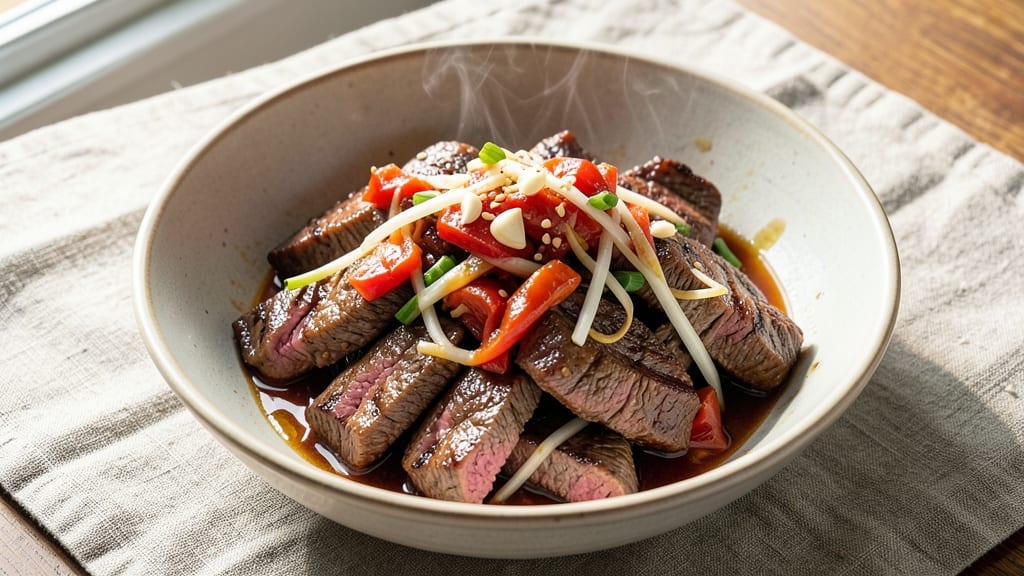
This beef and kimchi recipe delivers the perfect marriage of tender beef and bold fermented heat in every bite. The secret lies in slow-cooking thinly sliced beef with kimchi until it's fork-tender, creating a dish that's rich, savory, and packed with umami.
I developed this version after years of perfecting the balance between the spicy, tangy kimchi and the rich, caramelized beef—it's the kind of meal that transforms a simple weeknight into something special.
The process is straightforward but delivers restaurant-quality results. You'll start by marinating the beef in a simple soy-garlic mixture, then slow-cook it with kimchi until the flavors meld together beautifully.
The key is patience—letting the beef simmer until it's so tender it practically melts in your mouth while the kimchi softens just enough to release its vibrant flavors. This method ensures every bite is packed with that perfect combination of textures and tastes.
What you'll end up with is a dish that's hearty enough to serve as a main course but versatile enough to pair with rice or noodles.
The beef becomes incredibly tender, absorbing the flavors of the kimchi and the aromatic spices, while the kimchi adds a tangy, spicy kick that cuts through the richness. The result is a dish that's both comforting and exciting, with layers of flavor that keep you coming back for more.
Serve this beef and kimchi recipe with steamed rice to soak up every last bit of the flavorful sauce, or enjoy it on its own as a satisfying, one-pot meal.
It's the kind of dish that gets better as leftovers, with flavors deepening and melding together over time. Let's get cooking!
Ingredients for beef and kimchi
Tender beef, spicy kimchi, and aromatic spices—this combo delivers restaurant-quality flavor in one pot.
| Ingredient | Amount | Notes |
|---|---|---|
| Thinly Sliced Beef (Ribeye or Sirloin) 🥩 | 1 ½ lb | Cut against grain for tenderness |
| Kimchi 🥬 | 2 cups | Store-bought or homemade, packed |
| Soy Sauce 🥫 | ½ cup | Use high-quality, low-sodium preferred |
| Garlic Cloves 🧄 | 6 cloves | Minced for marinade |
| Sesame Oil 🫒 | 1 tbsp | For aroma, not cooking |
| Brown Sugar 🍯 | 2 tbsp | Light or dark, packed |
| Asian Pear (or Fuji Apple) 🍎 | 1 medium | Peeled, sliced for natural sweetness |
| Green Onions 🧅 | 4 whole | White and green parts, sliced |
| Ginger Root 🌿 | 1 inch | Fresh, peeled, grated |
| Vegetable Oil 🫒 | 1 tbsp | For searing beef |
| Sesame Seeds 🌰 | 1 tbsp | Toasted for garnish |
| Salt 🧂 | 1 tsp | Kosher or sea salt |
| Black Pepper 🌶️ | ½ tsp | Freshly ground preferred |
| Steamed White Rice 🍚 | 2 cups | For serving, cooked |
The beef is everything here. Ribeye or sirloin works best—thinly sliced against the grain for that melt-in-your-mouth texture. I grab mine from the butcher section at Whole Foods when possible, but the pre-sliced packs at Korean markets are a game-changer (they're already marinated in soy sauce). If you can't find Asian pears, Fuji apples work perfectly—they add natural sweetness that balances the kimchi's tang. Look for kimchi with visible chili flakes and bright green cabbage—those Korean grocery stores have the best selection, but the refrigerated section at Trader Joe's is solid too.
No sesame oil? Toasted sesame seeds plus a splash of neutral oil gets you close. Short on time? Pre-minced garlic from the jar works (just rinse it first), but fresh is always better. The brown sugar can be swapped for honey or maple syrup, though it'll change the depth slightly. If you're using pre-sliced beef, skip the marinade step—just sear it first. The green onions? Freeze any extras—they keep for months and add brightness to anything. And trust me on the ginger: Freshly grated makes all the difference compared to powdered.
This dish tastes even better the next day—flavors meld beautifully when refrigerated. Keeps for 4-5 days in the fridge, or 3 months frozen if you portion it into airtight containers. I always make a double batch because leftovers reheat perfectly and make amazing rice bowls. Store the kimchi separately if you're prepping ahead—it keeps its punch longer that way. The rice? Cook it fresh the day you serve, but day-old rice works great too if you're in a pinch.
Why You'll Love This Recipe
- One-Pan Magic: I swear by this recipe when I’m too tired to scrub three bowls—just toss the sliced beef, kimchi, and sauce in one pan, and let the garlic and sesame oil work their flavor spell. The beef practically cooks itself while you stir, and cleanup? One spatula, one wipe-down.
- Umami Bomb: That first bite—where the soy sauce’s deep saltiness meets kimchi’s funky tang and the beef’s caramelized edges—is chef’s kiss. Honestly, I’ll take this over takeout any day, and it’s half the calories. The garlic cloves? Minced or smashed, they’re the secret weapon here.
- Leftover Goldmine: This dish tastes even better the next day, which is perfect because it’s ridiculously hard to stop at one serving. I’ll make a big batch on Sunday, reheat portions for lunches, and still have leftovers for my lazy coworker who “forgot” to pack food. (Yes, even on a Tuesday night.)
- Budget Flex: Thinly sliced sirloin is cheaper than you’d think, and kimchi lasts forever in the fridge—so this recipe stretches my grocery budget without sacrificing flavor. Between us, I’ve made this with ground beef in a pinch, and no one noticed. (Okay, maybe they did, but they ate it anyway.)
Step-by-step instructions for beef and kimchi
Here's how to transform simple ingredients into a restaurant-worthy dish with bold flavors and melt-in-your-mouth beef.
Prepare the Beef Marinade
In a large bowl, combine the 1.5 lb thinly sliced beef, 2 cups kimchi (with all its juices), 0.5 cup soy sauce, 2 tbsp brown sugar, 6 cloves minced garlic, 1 inch grated ginger, and 0.5 tsp black pepper. Use your hands to mix everything thoroughly—this ensures every slice gets coated with those tangy, spicy flavors. Let the mixture sit at room temperature for 15 minutes while you prepare the rest.
Here's the thing—kimchi's acidity helps tenderize the beef while infusing it with flavor. Don't skip this marinating time, even though it's short. The beef will develop deeper color and absorb all those wonderful fermented notes. If you're using particularly juicy kimchi, you might not need to add extra liquid, but if it's dry, add 1-2 tablespoons of water to help the marinade cling.
Cook the Beef to Perfect Tenderness
Heat 1 tbsp vegetable oil in a large skillet over medium-high heat until shimmering. Working in batches (don't overcrowd the pan), add the marinated beef and cook for 2-3 minutes per side until the edges are deep golden brown and the beef reaches 145°F internally. You'll know it's ready when the beef releases easily from the pan—no sticking means it's cooked just right.
I press down gently on the beef slices during the first minute of cooking—this prevents them from curling and ensures even contact with the pan. As they cook, you'll smell that incredible combination of kimchi and beef coming together. Once all the beef is cooked, transfer it to a plate and tent loosely with foil to keep warm. The residual heat will help it finish cooking slightly, which is perfect for that tender texture.
Create the Sweet and Tangy Sauce
In the same skillet (no need to clean it—the browned bits are flavor gold), reduce the heat to medium and add the 1 medium peeled and sliced Asian pear (or Fuji apple). Cook for 3-4 minutes until it softens slightly. Then add 1 tbsp sesame oil and stir for 30 seconds to infuse the aroma.
Pour in 1 cup of water (just enough to deglaze the pan) and scrape up all those delicious browned bits from the bottom. Let it simmer for 2 minutes until slightly reduced. The sauce should be glossy and fragrant—this is where all the magic happens. The pear adds natural sweetness that balances the kimchi's tang, creating a perfect harmony of flavors.
Combine and Finish
Return the beef to the skillet and stir gently to coat everything in the sauce. Add 4 sliced green onions (white and green parts) and cook for 1-2 minutes until everything is heated through. Taste and adjust seasoning if needed—you might want to add a splash more soy sauce or a pinch of salt to balance the flavors.
Here's where it gets fun—sprinkle 1 tbsp toasted sesame seeds over the top and give it one final stir. The sesame seeds add a nutty crunch that contrasts beautifully with the tender beef and tangy kimchi. Serve immediately over 2 cups steamed white rice, letting everyone scoop up those flavorful beef bites with every bite.
Garnish and Serve with Confidence
Divide the beef and sauce evenly among four plates, each with a generous serving of steamed white rice. Garnish with additional sliced green onions and a drizzle of sesame oil for extra visual appeal and flavor. The contrast of the cool rice with the warm, spicy beef creates the perfect bite every time.
This dish is all about balance—tender beef, tangy kimchi, sweet pear, and nutty sesame. The key to success is letting the flavors develop properly during cooking. Don't rush it, and you'll be rewarded with a dish that's sure to impress anyone who tries it. Enjoy your Korean-inspired feast!
Pro Tips For Making Beef And Kimchi
- USE HIGH HEAT FIRST: Throw that beef in a screaming-hot pan—ribeye or sirloin needs to sear fast to lock in juices before the kimchi’s acidity starts breaking it down. I used to cook it on medium and wondered why my beef turned rubbery by the end.
- DRAIN AND RINSE KIMCHI: Skip the soggy mess—drain kimchi in a colander for 10 minutes, then rinse it under cold water to cut the excess salt and fermented tang. This keeps your sauce from tasting like a pickle brine dump.
- ADD GARLIC LAST: Crush the garlic cloves right before tossing them in—raw garlic burns fast and turns bitter. Toss it in with the beef just as it finishes cooking so it gets fragrant without turning to ash.
- LET BEEF REST 3 MINUTES: Pull the beef out of the pan and tent it with foil for a solid 3 minutes. The residual heat finishes cooking it while keeping it tender—cutting into it too soon means dry, chewy slices every time.
Pro cooking tips for great beef and kimchi
Marinade Magic
The kimchi marinade is where the real flavor transformation happens. I always use high-quality kimchi with visible chili flakes and bright green cabbage—it's worth seeking out at Korean grocery stores or the refrigerated section at Trader Joe's.
The acidity in kimchi tenderizes the beef while infusing it with that signature tangy-spicy punch. Let the beef marinate for at least 15 minutes at room temperature, but if you have time, 30 minutes in the fridge works even better.
This step ensures the beef absorbs all those fermented flavors deeply. 🥩
Batch Cooking
Working in batches prevents overcrowding, which is crucial for achieving that perfect deep golden brown sear on each slice. I use a 12-inch cast iron skillet for this recipe—it retains heat beautifully and creates those flavorful browned bits that form the base of our sauce.
Cook the beef for 2-3 minutes per side over medium-high heat, and don't be afraid to press down gently on the slices with a spatula during the first minute. This keeps them flat and ensures even cooking. 🔥
Sauce Secrets
The Asian pear (or Fuji apple) is a game-changer in this recipe—it adds natural sweetness that perfectly balances the kimchi's tang. Cook it just until softened, then deglaze the pan with 1 cup of water to lift all those delicious browned bits from the bottom.
Let the sauce reduce slightly for 2 minutes—this concentrates the flavors and creates that glossy, fragrant finish. The sesame oil adds aroma without overpowering, and a final sprinkle of toasted sesame seeds gives that nutty crunch we all love. 🌶️
Finishing Touches
Don't skip the resting step! After cooking the beef, transfer it to a plate and tent loosely with foil. This lets the residual heat finish cooking the beef slightly, resulting in that melt-in-your-mouth tenderness we're after.
When ready to serve, garnish with sliced green onions and a drizzle of sesame oil—these final touches elevate the dish from good to restaurant-quality. The contrast of cool rice with warm, spicy beef is what makes this dish truly special. ✨
Equipment Essentials
While you can use any large skillet, I've found that a 12-inch cast iron skillet from Lodge makes all the difference. It retains heat perfectly and develops those flavorful browned bits that form the sauce's foundation.
A meat thermometer is also a must—aim for an internal temperature of 145°F for perfectly cooked beef. And don't forget a wooden spoon for stirring without scratching your skillet. These tools might seem simple, but they make a world of difference in the final result. 🍛
Flavor Balance
Taste as you go! The sauce might need a splash more soy sauce or a pinch of salt to balance the flavors perfectly. I often adjust the seasoning right before serving, especially if I've made the dish ahead of time.
The beauty of this recipe is its flexibility—you can tweak it to suit your taste preferences while keeping that perfect harmony of tender beef, tangy kimchi, and sweet pear. Trust your taste buds, and don't be afraid to make those final adjustments. 💡
Nutrition facts
Frequently asked questions
Can I substitute regular beef for ribeye or sirloin?
For best results, use thinly sliced flank steak or chuck roast (cut against the grain). These cuts stay tender when cooked with kimchi's acidity. Avoid tougher cuts like round steak—they won't become fork-tender with this method. If using pre-sliced beef from Korean markets, check the packaging for soy-marinated options—they're already prepped for quick cooking!
How do I adjust the spice level?
For milder heat, remove the seeds and membranes from your kimchi before using (they contain most of the spice). If you love heat, add 1-2 tbsp gochujang (Korean chili paste) to the sauce or include extra chili flakes from the kimchi. The Asian pear naturally balances spice, so don't worry about overpowering the dish—just adjust the kimchi's intensity first.
Can I make this in a slow cooker?
Yes! Brown the beef first in a skillet, then transfer everything (including the sauce) to your slow cooker. Cook on low for 4-5 hours or high for 2-3 hours. The slow cooking enhances tenderness, and the flavors meld beautifully. Just add 1/4 cup water if the mixture seems too thick during cooking. The result is even more restaurant-style than stovetop!
What's the best way to reheat leftovers?
Reheat gently in a skillet over low-medium heat with 1-2 tablespoons water to prevent drying. Stir frequently and cook for 3-5 minutes until warmed through. Microwaving works too (cover with a damp paper towel for 1-2 minutes
Can I use this beef for other dishes?
The marinated beef works perfectly in kimchi fried rice, beef lettuce wraps, or even beef bulgogi (just grill the slices). For best results, use it within 2 days of cooking. Store in an airtight container in the fridge, and reheat quickly to maintain tenderness. The kimchi marinade adds amazing flavor to any dish!