
Main Courses
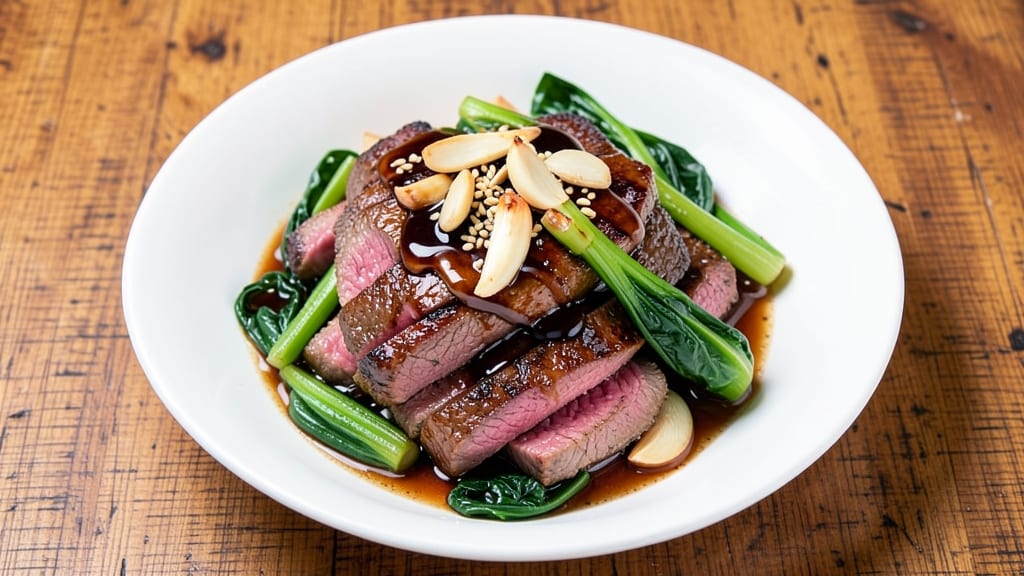
This beef and pak choi stir fry delivers restaurant-quality wok searing in your home kitchen, where tender beef strips meet crisp-tender greens in a savory-sweet umami sauce. The secret lies in high-heat searing and precise timing—just 12 minutes from start to finish.
I developed this recipe after years of perfecting stir-fry techniques, and it never fails to impress even skeptical meat lovers.
What sets this dish apart is the balance of textures: perfectly seared beef that stays juicy, pak choi with crisp stems and tender leaves, and a sauce that's rich yet light.
The recipe uses simple pantry staples but transforms them through proper technique—like blooming the aromatics and deglazing the wok properly. It's the kind of dish that feels special without requiring fancy ingredients.
By the time you're done, you'll have a plate of golden-brown beef strips with caramelized edges, vibrant pak choi that maintains its crisp texture, and a sauce that's perfectly balanced between sweet, salty, and umami.
The aroma alone will have everyone gathering around the table, and each bite delivers that perfect combination of textures and flavors.
This stir-fry works equally well as a weeknight dinner or weekend meal—scale it up for a crowd or keep it as a simple two-person dish. The technique is straightforward once you understand the key steps, making it accessible for home cooks while delivering restaurant-quality results.
Ingredients for beef and pak choi stir fry
High-quality ingredients transform simple stir-fry into restaurant-worthy umami perfection.
| Ingredient | Amount | Notes |
|---|---|---|
| Flank Steak 🥩 | 1 ¼ lb | Thinly sliced against grain |
| Baby Pak Choi 🥬 | 1 lb | Whole heads, stems intact |
| Garlic Cloves 🧄 | 4 cloves | Minced, for aromatic base |
| Fresh Ginger 🌿 | 1 tbsp | Finely grated, peeled |
| Soy Sauce 🍶 | ½ cup | Low-sodium preferred |
| Oyster Sauce 🍜 | 2 tbsp | High-quality brand recommended |
| Sesame Oil 🫒 | 1 tbsp | Toasted, for finishing |
| Honey 🍯 | 1 tbsp | Pure, for sauce balance |
| Rice Vinegar 🍶 | 1 tbsp | White vinegar substitute |
| Vegetable Oil 🫒 | ½ cup | High smoke point |
| Salt 🧂 | 1 tsp | Diamond Crystal preferred |
| Black Pepper 🌶️ | ½ tsp | Freshly cracked |
| Sesame Seeds 🌾 | 1 tsp | Toasted, for garnish |
| Red Chili Flakes 🌶️ | ½ tsp | Optional, for heat |
The flank steak is non-negotiable here—its lean texture sears beautifully while staying tender. Look for USDA Choice grade with good marbling, and slice it against the grain for maximum tenderness. I prefer buying it pre-sliced from Whole Foods or Costco for convenience, but if slicing yourself, use a sharp knife and keep it cold. For pak choi, baby heads with intact stems are ideal—they hold their crisp texture better than pre-cut greens. If you can't find baby pak choi, regular bok choy works, though the flavor profile differs slightly. The garlic and ginger should be freshly minced—pre-minced jars lack the aromatic depth needed for this dish.
No oyster sauce? Hoisin sauce or extra soy sauce works in a pinch, though the umami depth will be slightly less complex. The sesame oil is purely for finishing—don't use it for cooking as it burns easily. For a sweeter sauce, increase honey to 1.5 tbsp. The rice vinegar adds brightness, but lemon juice at half the amount can substitute if needed. If you're avoiding gluten, use tamari instead of soy sauce. The vegetable oil should have a high smoke point—avocado or grapeseed oil are excellent choices. For extra heat, add 1 tsp of chili crisp instead of flakes, or serve with sriracha on the side. The sesame seeds should be toasted in a dry pan for 30 seconds before sprinkling—they add a nutty crunch that elevates the dish.
Prep the beef and vegetables immediately before cooking to maintain crispness. The sauce can be made ahead and stored in the fridge for up to 5 days, but the stir-fry itself is best served fresh. If you need to reheat leftovers, use low heat and a splash of water to prevent drying out. This dish reheats beautifully—3-4 days in the fridge or 3 months frozen. For meal prep, portion the sauce separately and combine with fresh ingredients when reheating. The flavors actually deepen overnight, so leftovers often taste even better the next day.
Why You'll Love This Recipe
- One-Pan Magic: I swear by this for nights when I’m too tired to scrub pots. Thinly sliced flank steak and pak choi hit the wok together—no pre-cooking, no fuss—while the garlic and ginger sizzle into a fragrant paste. Twenty minutes later, my kitchen’s cleaner than it was before I started.
- Umami Bomb: That first bite? The soy sauce caramelizes into the steak while the pak choi stays shockingly crisp, and the ginger adds this bright, zesty kick that cuts through the richness. It’s the kind of flavor that makes you pause mid-bite, like, “Wait, why haven’t I made this every week?”
- Lunchbox Hero: Between us, this is my secret weapon for meal prep. The leftovers reheat like a dream—steak stays tender, pak choi wilts just enough to soften but not turn sad. Pack it in containers, and suddenly you’ve got a lunch that feels gourmet but costs less than takeout.
- Budget Flex: Flank steak stretches farther than you’d think when sliced thin, and baby pak choi is one of those “buy a bunch, use a little” veggies that never goes to waste. Honestly, I’ve made this for date nights, solo dinners, and even as a side for a big roast—it’s that reliable. Plus, the ingredients? Most are pantry staples or cheap at Asian markets.
Step-by-step instructions for wok-seared beef and pak choi
Master this technique for perfectly tender beef and crisp-tender pak choi every time.
Prep the Flank Steak for Maximum Tenderness
Slice the 1.25 lb flank steak thinly against the grain using a sharp knife. You're aiming for slices about ⅛-inch thick—this ensures they cook quickly and remain tender. Pat each slice dry with paper towels to remove excess moisture, which helps achieve a good sear. Place the sliced steak in a bowl and season generously with 1 tsp salt and ½ tsp black pepper, massaging the spices into the meat so they adhere evenly.
Let the seasoned steak rest for 15-20 minutes at room temperature. This step is crucial—it allows the meat to cook more evenly and prevents it from curling up in the hot wok. While it rests, prepare the pak choi by separating the leaves from the stems. Trim away any wilted outer leaves and cut the stems into ½-inch pieces. Keep the leaves whole for easier handling during cooking.
Build the Aromatic Base and Sear the Beef
Heat a wok or large skillet over high heat until it's smoking hot. Add ½ cup vegetable oil and swirl to coat the bottom evenly. Once the oil shimmers, add the 4 cloves minced garlic and 1 tbsp finely grated ginger, stirring constantly for 30 seconds until fragrant but not browned. Be careful here—garlic burns quickly, and you want to preserve its sweet, aromatic flavor rather than let it turn bitter.
Working in batches if needed, add the sliced flank steak to the wok. Don't overcrowd the pan—this lowers the temperature and steams the meat instead of searing it. Cook the beef for 1-2 minutes per side until it develops a deep golden-brown crust. The steak should still be slightly pink in the center at this stage—it will finish cooking in the sauce. Remove the beef and set it aside on a plate.
Stir-Fry the Pak Choi Until Crisp-Tender
Increase the heat back to high and add the ½ cup soy sauce, 2 tbsp oyster sauce, 1 tbsp honey, and 1 tbsp rice vinegar to the wok. Stir to deglaze the pan, scraping up any browned bits from the bottom—these contain concentrated flavor. Let the sauce simmer for 1 minute until slightly reduced and glossy.
Add the prepared pak choi stems first, stirring them for 1 minute to soften slightly. Then add the leaves and toss everything together for 2-3 minutes until the pak choi is bright green and just tender—it should still have a slight bite, not be limp or wilted. The high heat and quick cooking preserve the pak choi's natural crunch while preventing it from turning mushy. Return the seared beef to the wok and toss everything together for 30 seconds to coat the meat in the sauce.
Finish with Sesame Oil and Garnish
Remove the wok from heat and drizzle in 1 tbsp sesame oil, tossing gently to distribute it evenly. This adds a nutty aroma and rich flavor that complements the umami from the beef and sauces. Taste and adjust seasoning if needed—you may want to add a pinch more salt or a splash of rice vinegar for brightness.
Transfer the stir-fry to serving plates and garnish with 1 tsp toasted sesame seeds and ½ tsp red chili flakes (if using). The sesame seeds add texture, while the chili flakes introduce a subtle heat that cuts through the richness of the dish. Serve immediately while the pak choi is still crisp-tender and the beef retains its juicy interior. This stir-fry is best enjoyed fresh, as the pak choi softens quickly once removed from the heat.
Pro Tips For Making Beef And Pak Choi Stir Fry
- Slice Thin, Slice Fast: I learned this the hard way—thick flank steak slices chew like boot leather in stir-fry. Aim for ¼-inch thickness, and use a sharp knife or meat slicer if you’re impatient like me. The meat should cook in under a minute on high heat, not turn into a science experiment.
- Prep Pak Choi Like a Pro: Baby pak choi is finicky—overhandling turns it limp. Rinse it quickly, then pat it dry with a towel. Trim the thick stems (they’re tough) and stack leaves like a fan before slicing—this keeps them intact and crisp. Wet greens = sad stir-fry.
- Don’t Crowd the Pan: I used to toss everything in at once, and the pak choi would steam instead of blister. Cook the beef first until browned (2-3 minutes), then remove it. Add garlic, ginger, and pak choi separately—give the greens space to char, not wilt. The beef goes back in last for that perfect finish.
- Upgrade with Umami Bomb: Plain soy sauce? Skip it. Mix 1 tablespoon soy with ½ tablespoon dark soy (for color) and ½ teaspoon sesame oil. Add a splash of rice vinegar or a pinch of sugar to balance the salt. The dark soy adds depth without extra sodium, and the vinegar cuts through the richness—trust me, it’s worth the extra 30 seconds.
Flavor customization for this dish
Sweet-Savory Balance
Adjust the sauce's sweetness by tweaking the honey-to-vinegar ratio. For a more balanced flavor, use 1 tbsp honey and 1 tbsp rice vinegar as written. Want it sweeter? Increase honey to 1.5 tbsp and reduce vinegar to ½ tbsp.
For a tangier profile, swap in 1 tsp lemon juice instead of vinegar—it brightens the dish beautifully. 🍯
Spicy Heat Levels
Control the heat with precision: start with ½ tsp red chili flakes for a gentle warmth. For medium heat, add 1 tsp chili crisp (like Sriracha or Lao Gan Ma) and toss it in at the end.
If you love fiery kicks, mix ½ tsp chili flakes with ½ tsp cayenne pepper and sprinkle over the finished dish. Always taste first—adjust gradually!
Umami Boost Options
Deepening the umami flavor is easy! Swap 1 tbsp oyster sauce for 1 tbsp fish sauce (like Red Boat) for a bolder punch. For a vegetarian twist, replace oyster sauce with 1 tbsp mushroom powder or 1 tbsp soy sauce + 1 tsp miso paste.
If you have dried shiitake mushrooms, soak 2-3 slices in hot water for 10 minutes, then add the liquid to the sauce—it adds earthy depth. 🍄
Herbaceous Variations
Fresh herbs elevate this dish effortlessly. Stir in 1 tbsp chopped cilantro or 1 tbsp Thai basil at the end for a bright, aromatic finish. For a garlicky kick, add 1 extra minced garlic clove when building the aromatic base.
If you love ginger’s warmth, increase it to 2 tbsp grated ginger—just be sure to cook it down fully to avoid bitterness.
Texture Contrasts
Add crunch with ½ cup toasted cashews or ¼ cup crushed peanuts for a Thai-inspired twist. For creamy contrast, fold in 2 tbsp silken tofu (cubed and pan-fried) or ¼ cup shredded coconut (toasted lightly).
If you prefer chewy textures, toss in ¼ cup cooked shiitake mushrooms—they absorb the sauce beautifully while adding meaty depth. 🥜
Regional Twists
For a Korean-inspired version, swap soy sauce for ½ cup gochujang (Korean chili paste) and add 1 tbsp sesame seeds to the sauce. A Japanese take calls for 1 tbsp mirin instead of honey and ½ tsp grated daikon for extra umami.
For a Vietnamese flair, add 1 tbsp fish sauce and 1 tsp sugar, then finish with fresh mint and bean sprouts. Each variation keeps the core technique but shifts the flavor profile dramatically. 🗺️
Nutrition facts
Frequently asked questions
Why does the beef need to rest before cooking?
Resting the beef for 15-20 minutes at room temperature ensures even cooking and prevents it from curling up in the hot wok. Cold meat releases moisture unevenly, leading to steaming instead of searing. This step guarantees a perfect golden crust while keeping the interior juicy.
Can I substitute flank steak with another cut?
Yes! Flank steak is ideal for its lean texture, but sirloin or ribeye work well too. For tougher cuts like chuck, marinate for 30 minutes in soy sauce and cornstarch slurry first. Always slice against the grain for tenderness.
How do I keep the pak choi crisp instead of mushy?
High heat is key—use a screaming-hot wok and cook for only 2-3 minutes total. Overcrowding lowers heat and causes steaming. Start with stems first (they take longer), then add leaves. Remove immediately after they wilt slightly but still hold shape.
What if I don't have oyster sauce?
Use 1 tbsp hoisin sauce + 1 tsp soy sauce for depth, or 1 tbsp fish sauce + ½ tsp sugar for umami. For vegetarian, mix 1 tbsp soy sauce + 1 tsp miso paste. The sauce will be slightly different but still delicious.
Can I make this ahead of time?
Prep the sauce in advance (stores 5 days refrigerated), but cook fresh for best texture. Reheat leftovers gently with a splash of water to prevent drying. Pak choi loses crispness when reheated, so it's best served immediately.