
Main Courses
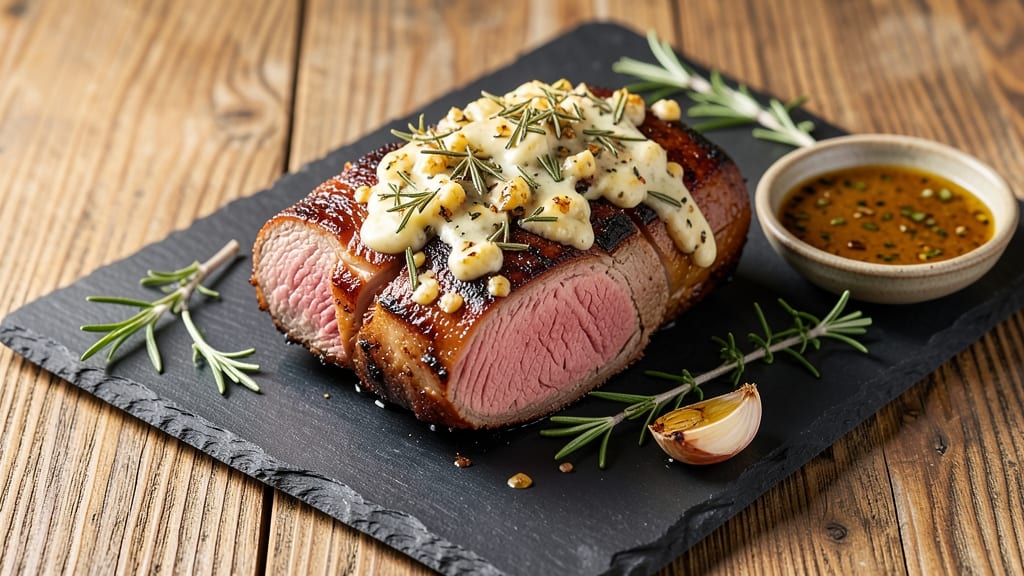
This beef ball tip roast recipe transforms a humble cut into a showstopping centerpiece with minimal effort. The secret lies in a flavorful herb crust that locks in juices while creating a caramelized exterior, paired with a rich pan sauce that elevates every bite.
I've perfected this method over countless holiday tables, where it consistently earns rave reviews for its tender texture and deep, savory flavor.
The process begins with a simple yet effective dry brine—salt and herbs applied directly to the beef, allowing the seasoning to penetrate deeply. After a quick sear in a hot pan, the roast moves to the oven where it roasts to perfect medium-rare (or your preferred doneness) with minimal fuss.
The real magic happens in the pan, where rendered fats and juices create a velvety sauce that ties the entire meal together.
What you'll end up with is a juicy, flavorful roast that practically falls apart at the touch of a fork, served alongside a sauce so rich it deserves its own bowl.
The herb crust adds an aromatic complexity that makes this dish feel special without requiring advanced techniques. This is the kind of meal that turns weeknight dinners into memorable gatherings.
Serve with classic sides like creamy mashed potatoes, roasted root vegetables, or a simple green salad to round out the plate. The leftovers reheat beautifully, making this recipe ideal for meal prep or entertaining. Let's get started on creating your perfect roast.
Ingredients for beef ball tip roast
Six ingredients transform humble beef into a showstopping herb-crusted roast with velvety pan sauce magic.
| Ingredient | Amount | Notes |
|---|---|---|
| Beef Ball Tip Roast 🥩 | 4 lb | Center-cut, bone-in preferred |
| Kosher Salt 🧂 | 2 tbsp | Diamond Crystal preferred |
| Fresh Rosemary 🌿 | ¼ cup | Finely chopped, stems removed |
| Fresh Thyme 🌿 | ¼ cup | Leaves only, stems discarded |
| Fresh Sage 🌿 | ¼ cup | Leaves finely chopped |
| Garlic Cloves 🧄 | 8 cloves | Minced, for herb crust |
| Extra-Virgin Olive Oil 🫒 | ¼ cup | For crust and searing |
| Unsalted Butter 🧈 | 4 tbsp | Cold, for herb crust |
| Yellow Onion 🧅 | 1 whole | Diced, for pan sauce |
| Red Wine 🍷 | 1 cup | Bold dry variety, like Cabernet |
| Beef Broth 💧 | 1 cup | Homemade or quality store-bought |
| Whole Grain Mustard 🍯 | 1 tbsp | For pan sauce depth |
| Heavy Cream 🥛 | ½ cup | Full-fat for richness |
| Fresh Parsley 🌿 | ⅛ cup | Chopped, for garnish |
The beef cut makes all the difference here. Ball tip roast delivers that perfect balance of tenderness and flavor—bone-in preferred for extra richness. I always source mine from Whole Foods or my local butcher shop, where they can recommend the freshest cut. Look for vibrant color and good marbling; that's your guarantee of juiciness. If you're buying frozen, thaw it overnight in the fridge—never at room temperature—to preserve texture. The herb crust needs to adhere well, so pat the roast dry with paper towels before applying seasonings. Pro tip: Costco often carries pre-cut ball tip roasts in larger sizes if you're feeding a crowd.
No fresh rosemary? Dried works at half the amount, but fresh has that piney aroma that's non-negotiable for this dish. Running short on butter? Olive oil works in a pinch, though butter gives that unmatched richness. The red wine can be swapped for beef broth with a splash of balsamic if you're avoiding alcohol. For the mustard, Dijon is fine, but whole grain adds those beautiful flecks that make the sauce look restaurant-worthy. The heavy cream is where you can splurge—full-fat makes all the difference in that velvety finish. If you're watching calories, half-and-half works too, though the texture will be slightly lighter.
This roast reheats like a dream—better the next day as all those flavors meld together. Wrap tightly in foil and refrigerate for up to 4 days, or freeze for 3 months for those lazy weeknights. The pan sauce freezes beautifully too—just reheat gently on the stove. I always make extra sauce because it's that good on mashed potatoes or even toasted bread. For presentation, let the roast rest 10 minutes before slicing—trust me on this. The juices redistribute, and you'll have perfectly tender slices every time.
Why You'll Love This Recipe
- Herb Bomb Flavor: That trio of rosemary, thyme, and sage? It’s like a little forest growing on your roast. The sage adds a peppery kick, the thyme brings warmth, and the rosemary ties it all together—simple, but ridiculously good.
- Leftovers That Don’t Suck: Between us, most roast leftovers are sad. Not this one. The beef stays tender, so I repurpose it into sandwiches, hash, or even a quick stir-fry. No dry, tough meat here—just pure satisfaction.
- Budget Dinner Hero: Ball tip roast is the unsung hero of affordable cuts—tender, flavorful, and way cheaper than prime rib. A single roast feeds my family for days, and the herbs make it feel fancy without breaking the bank. (Yes, even on a Tuesday night.)
Step-by-step instructions for herb-crusted beef ball tip roast
Here's how to transform a simple roast into a showstopper with layers of herb crust and rich pan sauce.
Prepare the Herb Crust and Season the Roast
In a food processor, combine the 0.25 cup fresh rosemary, 0.25 cup fresh thyme, 0.25 cup fresh sage, 8 cloves minced garlic, 4 tbsp cold unsalted butter, and 0.25 cup extra-virgin olive oil. Pulse until the herbs are finely chopped and the mixture resembles coarse sand. This creates the perfect textured crust that will cling beautifully to the meat.
Remove the 4 lb beef ball tip roast from the refrigerator and place it on a cutting board. Pat it dry thoroughly with paper towels—this is crucial for developing that perfect crust. Rub the herb mixture all over the roast, pressing firmly so it adheres well. Then sprinkle the 2 tbsp kosher salt evenly over the entire surface. Let the roast sit at room temperature for 30 minutes while you prepare your pan.
Sear the Roast for Maximum Flavor
Preheat your oven to 375°F. Heat a heavy oven-safe skillet or Dutch oven over medium-high heat until very hot. Add the roast to the pan and sear it on all sides for 3-4 minutes per side, until it develops a deep golden-brown crust. This initial searing locks in juices and creates the foundation for your flavor.
Here's the thing—don't rush this step. You'll know it's ready when the herb crust is deeply browned and the roast releases easily from the pan. If it sticks, don't panic—just let it cook a bit longer. Once properly seared, transfer the roast to a plate and tent loosely with foil to keep it warm.
Roast to Perfect Medium-Rare
Place the skillet with the roast in the preheated oven. Roast for 1 hour and 15 minutes for medium-rare doneness, or until the internal temperature reaches 130°F when measured with an instant-read thermometer in the thickest part of the roast. The beauty of ball tip roast is its marbling—it stays juicy even when cooked to lower temperatures.
I know it seems counterintuitive to cook a roast this long at this temperature, but trust the process. The slow cooking allows the connective tissues to break down while maintaining that perfect medium-rare center. If you prefer medium, aim for 135°F internal temperature. Remove the roast from the oven and let it rest for 15 minutes before slicing—this resting period is non-negotiable for juicy slices.
Create the Pan Sauce Masterpiece
While the roast rests, place the skillet back on the stovetop over medium heat. Add the 1 whole diced yellow onion and cook for 5 minutes until softened. Pour in the 1 cup red wine and scrape up all those delicious browned bits from the bottom of the pan—this is where all the flavor lives. Simmer for 5 minutes until the wine reduces by half.
Add the 1 cup beef broth and 1 tbsp whole grain mustard, then bring to a gentle simmer. Let it cook for 8-10 minutes until reduced by about a third. Stir in the 0.5 cup heavy cream and simmer for another 2 minutes until the sauce thickens slightly. If it's too thick, add a splash of water or broth to reach your desired consistency. Season with additional salt and pepper if needed.
Slice and Serve with Pan Sauce
After the roast has rested, slice it against the grain into ½-inch thick slices. The grain direction is typically perpendicular to the bone—look for those muscle fibers running through the meat. Arrange the slices on a platter and ladle the warm pan sauce generously over the top. Garnish with the 0.125 cup chopped fresh parsley for a pop of color and freshness.
This roast serves 6 generous portions, making it perfect for family dinners or special occasions. The herb crust adds an aromatic complexity, while the pan sauce ties everything together with its rich, wine-infused depth. Serve with roasted potatoes or crusty bread to soak up every last drop of that delicious sauce.
Pro Tips For Making Beef Ball Tip Roast
- SEAR IN BATCHES: Ball tip roast is fatty—crowd the pan, and you’ll steam it instead of sear it. Work in two rounds: render the first side until deep brown, then flip and repeat. The extra time upfront means a crust that actually sticks instead of sliding off like sad gravy.
- SALT THE HERBS: Fresh rosemary, thyme, and sage need a flavor boost too. Toss them with a pinch of kosher salt before tucking them into the roast’s crevices. It wakes up their oils and keeps them from getting lost in the beef’s richness—no more picking at limp herbs wondering why they taste like nothing.
- TEST DONENESS EARLY: Ball tips are forgiving, but pull them at 125°F internal temp—yes, rare. Let them rest 15 minutes under foil before carving, or they’ll bleed juice all over your plate. I learned this the hard way when my first slice turned out pink and dry.
- BASTE WITH PAN JUICES: Skip the extra butter—use the rendered fat from the searing. Spoon it over the roast every 15 minutes starting at the 45-minute mark. It’s got more flavor than you’d think, and it turns the crust into a glossy, caramelized shield. (Pro move: Add a splash of red wine to the pan first for extra depth.)
Make-ahead tips for this dish
Prep Ahead Strategy
Start your herb crust mixture 24 hours ahead and store it in an airtight container in the fridge. This gives the flavors time to meld beautifully, and you'll just need to pulse it again briefly before using.
I often make mine the night before—it's one less thing to worry about on cooking day. 💡
Roast Prep Timeline
Pat your beef dry and apply the herb crust 12 hours before cooking. This dry-brine method allows the salt and herbs to penetrate deeply, creating maximum flavor. Store the roast uncovered on a wire rack in the fridge—this prevents sogginess and helps the crust set properly.
Sauce Components
Prep your pan sauce ingredients separately and store them in individual containers. The red wine and beef broth can be refrigerated for up to 3 days, while the onion stays fresh for 5 days when stored in an airtight container.
The mustard and heavy cream can be kept at room temperature until you're ready to assemble.
Oven Prep Shortcut
Preheat your oven 30 minutes before you need it—this ensures consistent temperature right from the start. If you're using a Dutch oven, place it in the oven while it preheats so it gets nice and hot for that perfect sear.
I like to set my oven timer for the entire cooking process so I don't have to monitor it constantly.
Resting and Reheating
After roasting, let the meat rest 15 minutes before slicing—this is non-negotiable for juicy results. For reheating leftovers, wrap slices in foil and warm in a 350°F oven for 10-15 minutes.
The pan sauce reheats beautifully on the stovetop over low heat—just add a splash of water or broth if it thickens too much.
Make-Ahead Serving
Assemble your entire meal 2 hours before serving—slice the roast, reheat the sauce, and arrange everything on a platter. Cover loosely with foil and let it sit at room temperature while you finish other preparations.
The flavors continue developing even at room temperature, making your meal taste even more restaurant-quality when served. ✨
Nutrition facts
Frequently asked questions
What's the best way to tell if my beef ball tip roast is cooked to perfection?
Use a meat thermometer to check the internal temperature. For medium-rare, aim for 130°F—this ensures a juicy center with a beautiful pink interior. For medium, 135°F works perfectly. The roast's natural marbling keeps it moist even at these lower temperatures.
Can I make this recipe with a smaller roast?
This recipe scales beautifully. For a 2-3 lb roast, reduce cooking time by about 20-30 minutes (check with a thermometer). The herb crust and sauce ratios remain the same—just adjust your oven rack to the middle position and use a smaller skillet if needed. The flavor won't suffer at all!
Why does my roast turn out dry when I slice it too soon?
The 15-minute rest after roasting is crucial—it lets juices redistribute throughout the meat. Slicing too early causes them to run out, leaving you with dry slices. Cover loosely with foil while resting to keep it warm. This applies to all roasts, not just ball tip.
What's the best way to reheat leftovers?
Wrap slices in foil and warm in a 350°F oven for 10-15 minutes—this preserves moisture. For the sauce, gently reheat on the stovetop over low heat, adding a splash of broth if it thickens. Never microwave—it creates rubbery meat. Leftovers keep well for 4 days in the fridge.
Can I substitute bone-in for boneless ball tip roast?
Yes, but cooking times may vary slightly. Bone-in roasts stay juicier longer, while boneless cooks faster. If using boneless, reduce oven time by 10-15 minutes and watch closely after 50 minutes. The herb crust and sauce methods remain identical. Both versions work beautifully!